VoltDRAM
VoltDRAM
VoltDRAM
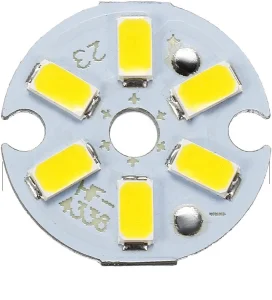
In the modern electronics landscape, solid-state lighting (SSL) technology has evolved far beyond basic indicator lights. High-flux LEDs, matrix lighting arrays for automotive systems, ultraviolet (UV-C) disinfection systems, and high-density status displays in enterprise data centers operate under severe thermal stresses. Without robust, highly conductive substrates, these systems face rapid degradation. As premier PCB LED PCBs manufacturers and factories, our duty is to bridge the gap between high electrical current delivery and ultra-low thermal resistance.
This comprehensive whitepaper explores the critical aspects of designing, sourcing, and manufacturing LED printed circuit boards (MCPCBs, heavy-copper FR4, and hybrid ceramic cores) designed to meet the rigorous expectations of global buyers. Combining material science with precision layout engineering, we ensure that energy conversion is maximized, and thermal dissipation paths are optimized to guarantee long-term operational integrity.
The global demand for high-efficiency lighting solutions is pushing the boundaries of traditional PCB fabrication. Several major shifts are currently reshaping the industry:
Direct emission arrays require micron-scale placement accuracy and extremely narrow traces to feed thousands of microscopic SMD light beads. These systems require high-resolution HDI (High Density Interconnector) technologies with microvias.
To drop thermal resistance, manufacturers bypass traditional FR-4 entirely, opting for Metal Core PCBs (MCPCBs) where the dielectric layer is filled with ceramic particles to achieve up to 3.0 W/m·K to 8.0 W/m·K thermal conductivity.
Modulated LED systems now integrate processing units, communication modules, and power drivers directly onto the same board. Combining control circuitry with high-power LEDs demands advanced PCB isolation techniques.
An LED converts roughly 70-80% of its electric power consumption into thermal waste, rather than visible light. This heat must be conducted away from the microscopic P-N junction. If the temperature exceeds the specified limits, luminous efficacy falls, wavelength shift occurs, and the lifetime of the SMD light beads is drastically cut short.
For industrial and heavy-duty lighting (such as high-bay lighting, street lighting, and projection systems), standard glass-fiber reinforced boards are insufficient. Metal Core PCBs utilize an aluminum base (typically Alloy 5052 or 6061) or copper base, laminated with a polymer-ceramic dielectric layer. Copper cores, though costlier, offer a thermal conductivity of roughly 400 W/m·K, whereas aluminum provides 1.0 to 4.0 W/m·K.
In cost-sensitive commercial projects or double-sided LED applications (e.g., small display elements, low-wattage SMD light beads, and consumer electronics modules), FR-4 remains common. However, to compensate for its low natural thermal conductivity (~0.25 W/m·K), we construct dense matrix arrays of thermal vias. These vias are plated with copper and sometimes filled with conductive epoxy or solder to channel thermal energy directly into an external copper heatsink.
B2B buyers, OEM/ODM brands, and system integrators face severe operational risks if they partner with inadequate fabricators. High-volume procurement requires a clear understanding of manufacturing variables. When requesting quotes, buyers must specify the following technical parameters to ensure batch consistency:
| Parameter | Specification Range | Engineering Impact |
|---|---|---|
| Base Material | Aluminum (5052/6061), Copper, FR-4, Hybrid | Dictates thermal transfer rate and mechanical rigidity. |
| Thermal Conductivity | 1.0 W/m·K to 8.0 W/m·K (MCPCB) | Controls heat flow from junction to dissipation base. |
| Dielectric Thickness | 50μm – 150μm (typical) | Balances electrical isolation against thermal resistance. |
| Copper Foil Weight | 1 oz (35μm) to 6 oz (210μm) heavy copper | Supports high current levels without overheating traces. |
| Solder Mask Color & Reflectivity | Super White, Matte Black, Gloss White (>90% reflectivity) | Minimizes light absorption and maximizes lumen output. |
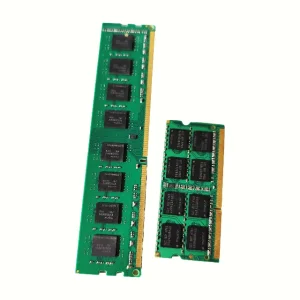
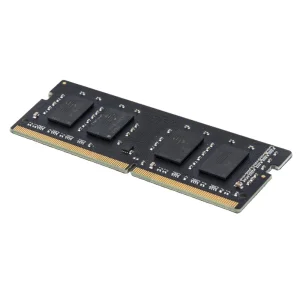
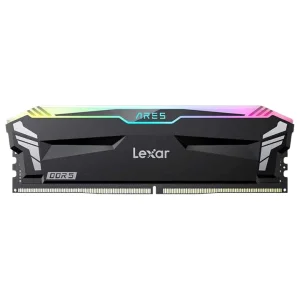
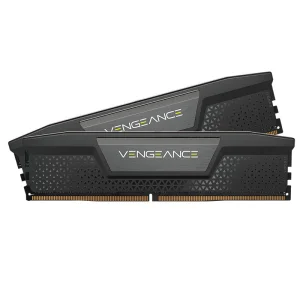
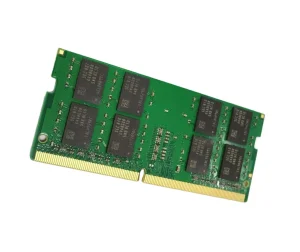
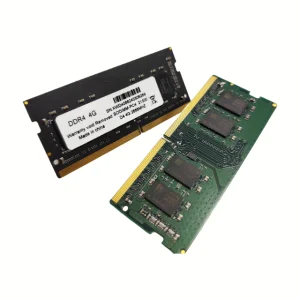
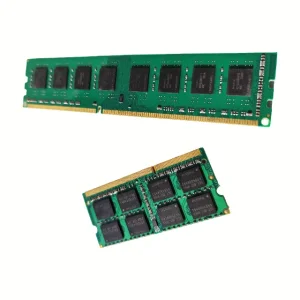
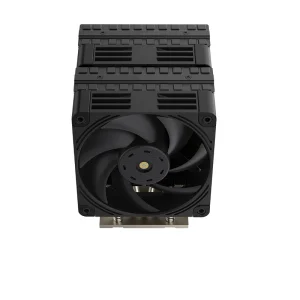
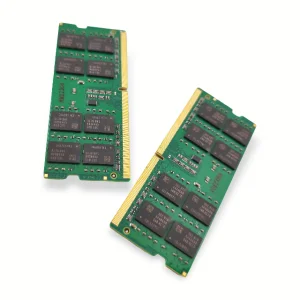
Partnering with an experienced manufacturer like VoltDRAM Semiconductor ensures that these properties are fully controlled. Our extensive experience in high-performance memory (DDR4/DDR5) and complex system cooling (LGA115x server heat sinks) guarantees that our engineering department knows how to maintain structural integrity under stressful heat cycles.
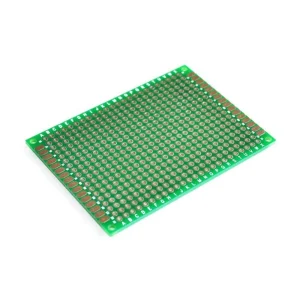
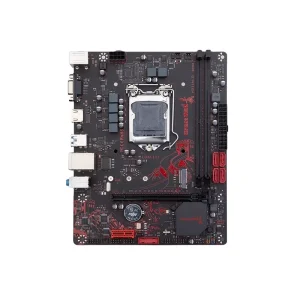
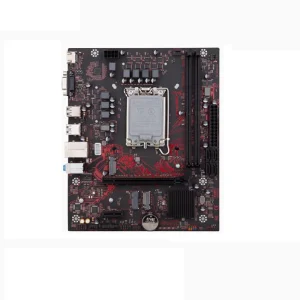
Founded between 2015–2018, VoltDRAM Semiconductor Co., Ltd. has established itself as an innovative force in the semiconductor memory sector and high-performance system integration fields. With a focus on stability, heat dissipation, and precision design, we manufacture cutting-edge DDR5 and DDR4 memory modules, server computing motherboards, cooling assemblies, and custom PCB prototypes.
Operating within an advanced manufacturing facility of approximately 320–480㎡, VoltDRAM maintains a cleanroom environment designed to suppress airborne particulates during critical semiconductor and PCBA processing steps. Supported by 60 to 300 seasoned R&D engineers, our manufacturing line outputs 120 to 450 new product variants annually. This massive design capacity allows us to cater to specialized industries requiring quick-turn PCB fabrication and heavy-duty SMT assembly.
VoltDRAM leverages 6 to 9 years of export experience, combined with 8 to 15 years of industry-specific engineering background, to build a resilient supply chain of over 600 to 1,500 partners. Our annual export revenues average USD 8–18 million, serving tier-1 system builders and industrial clients in North America, Europe, Southeast Asia, and the Middle East.
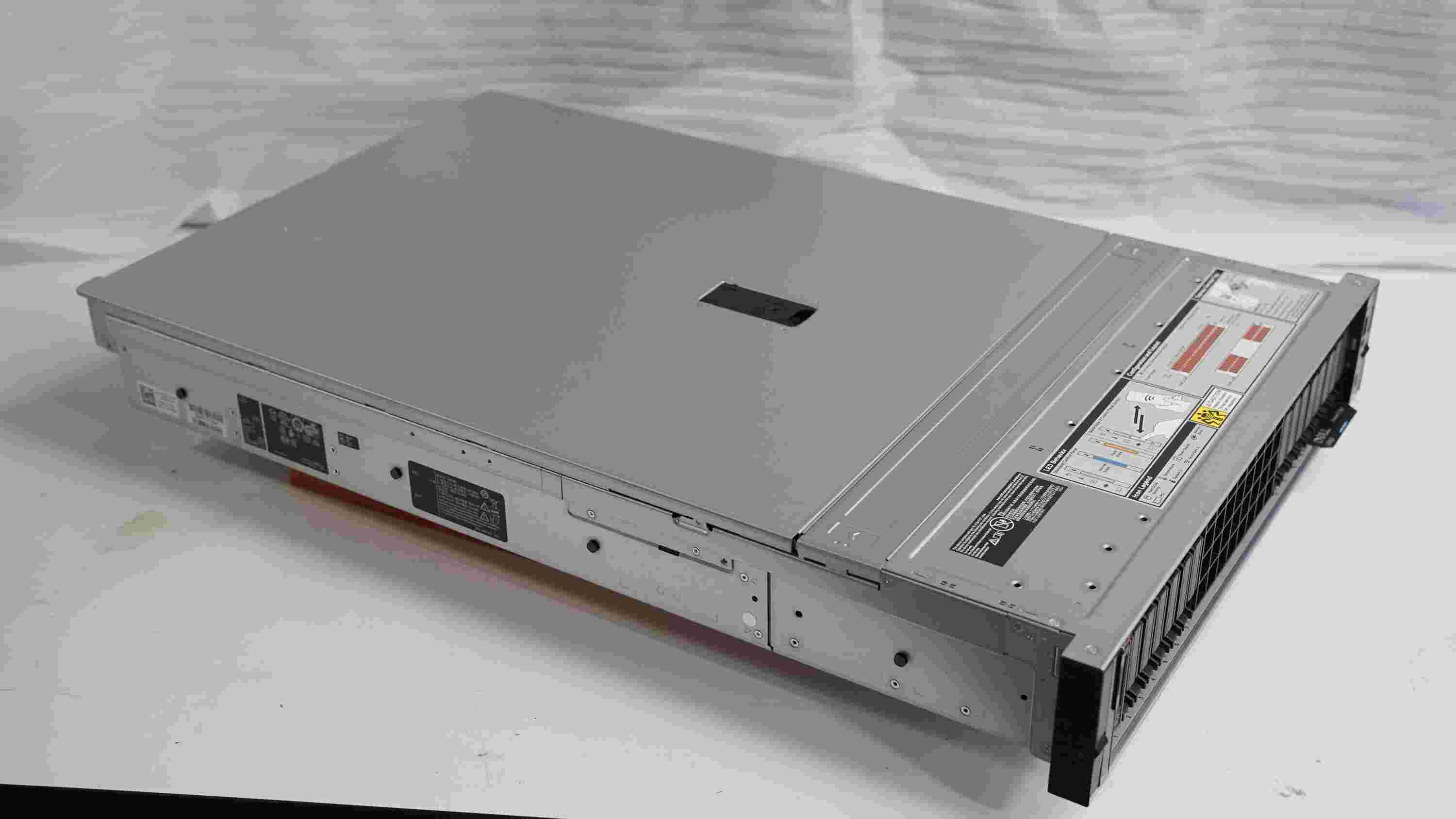
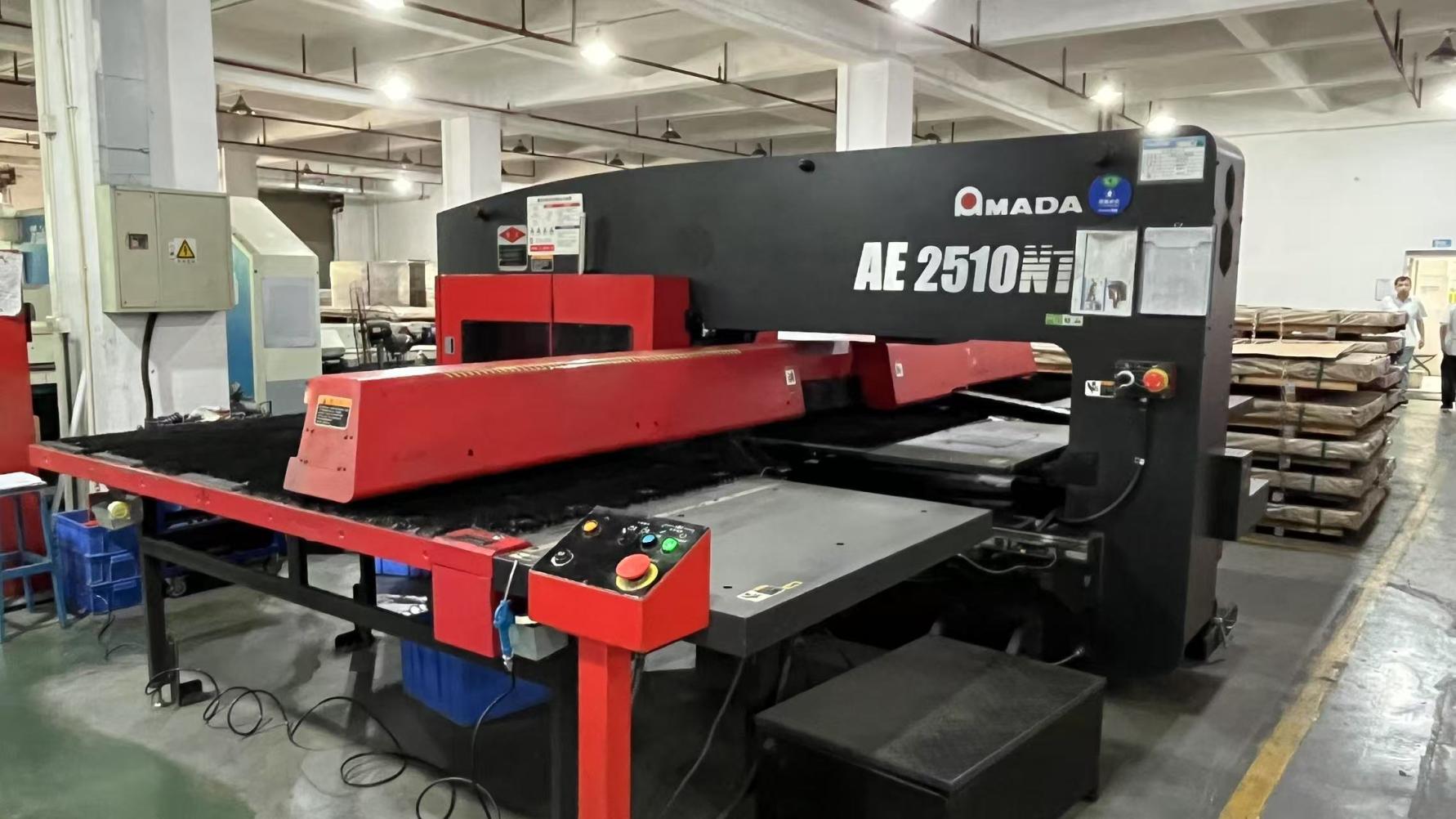
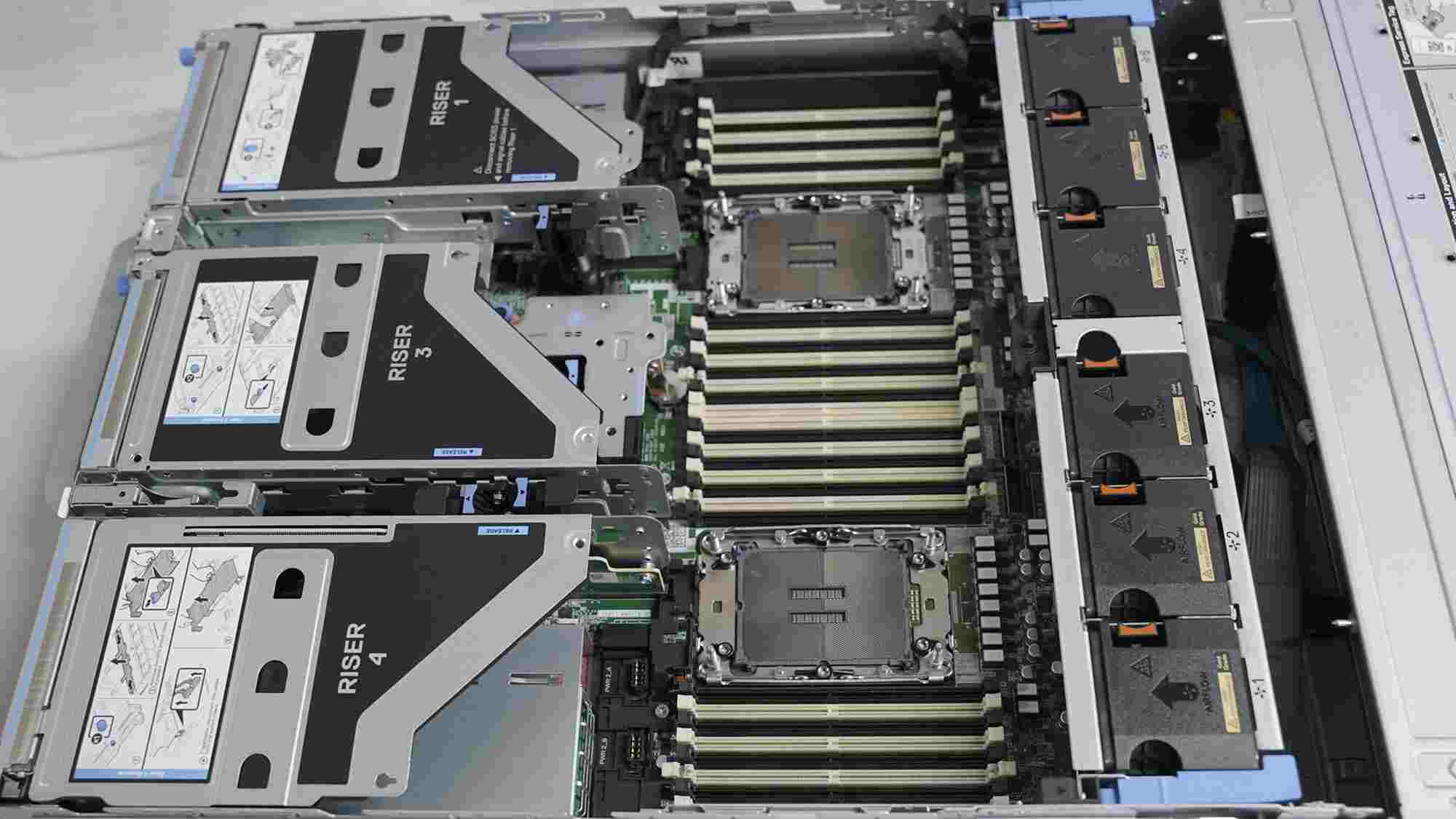
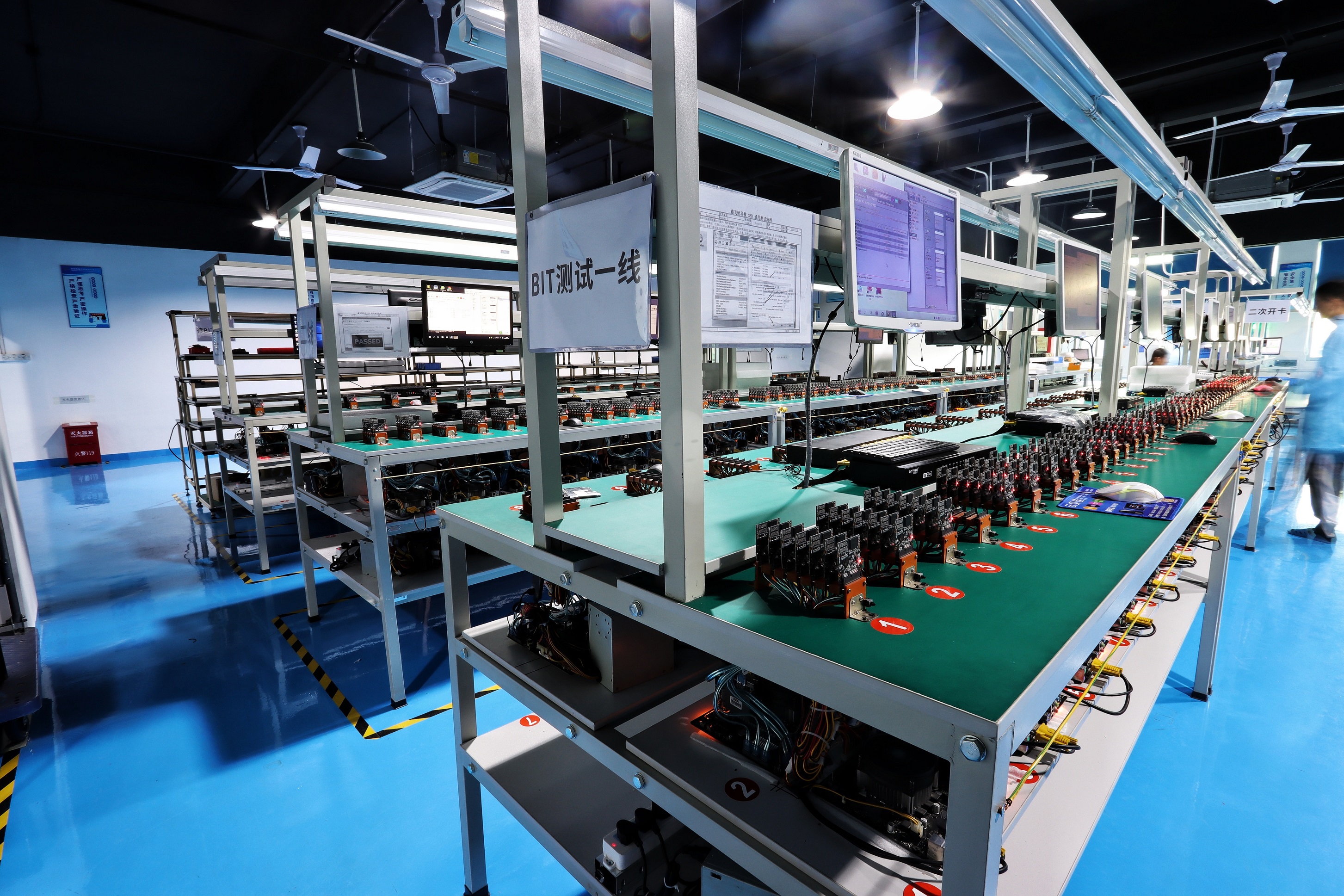
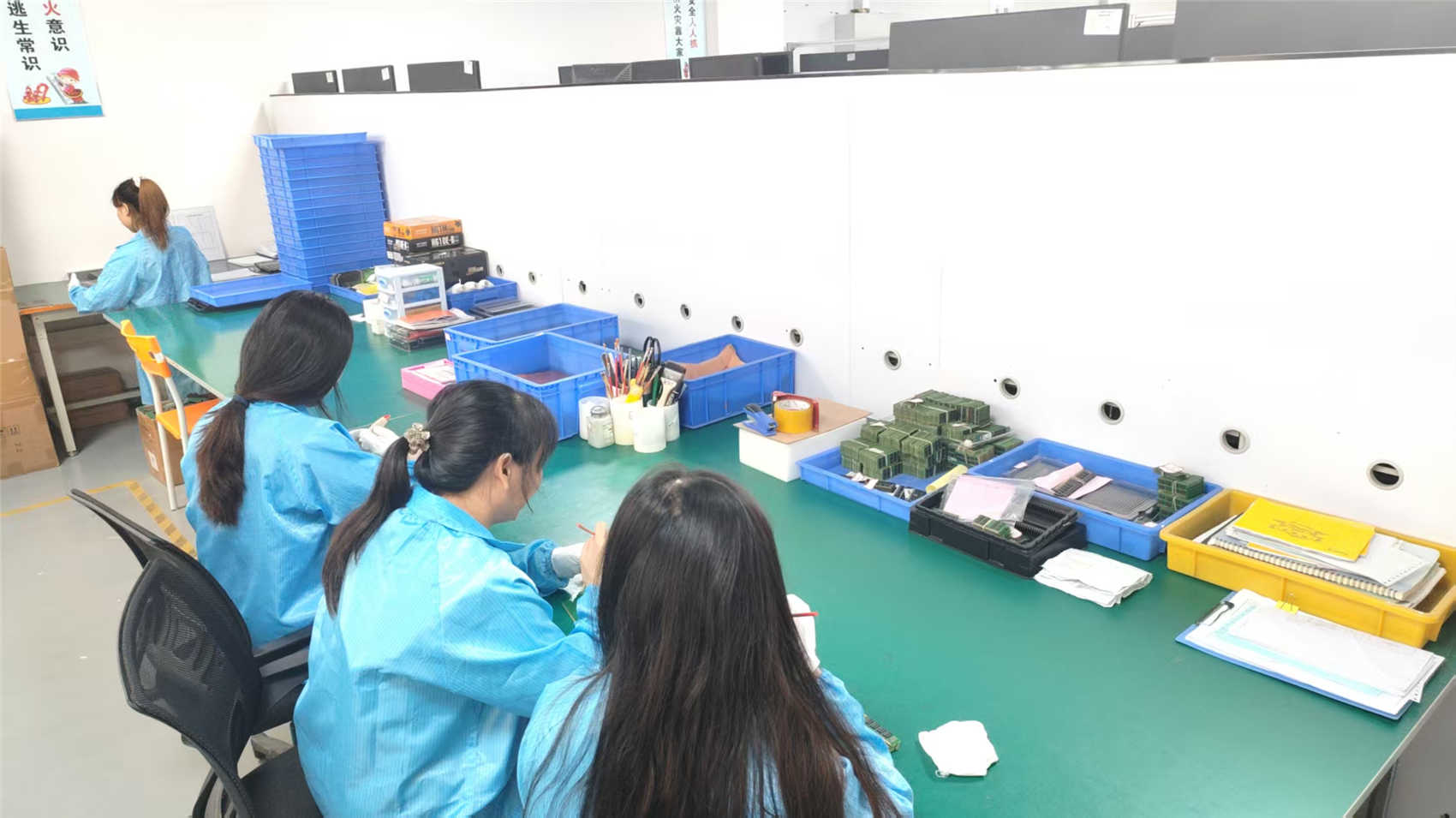
Quality is ensured at every milestone. Our quality control department employs 35 to 80 certified inspectors who enforce rigorous ISO-based quality management frameworks. Every batch undergoes automatic optical inspection (AOI), solder paste inspection (SPI), electrical performance checking, high-temperature burn-in testing, and structural stress validation.
VoltDRAM's engineering capability spans several highly related domains, linking thermal management, high-frequency signal processing, and electrical power regulation. Understanding how these disciplines intersect allows us to solve complex challenges:
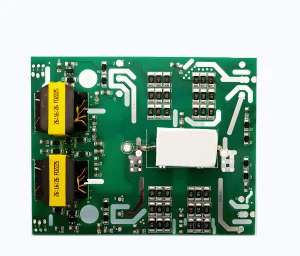
Powering massive matrices of SMD light beads requires clean, regulated power. Our expertise in fabricating complex multi-layered control boards (such as the ZX7-315 and 400 IGBT driver boards) enables us to build integrated driver modules that regulate power directly on the LED board without causing localized hotspots.
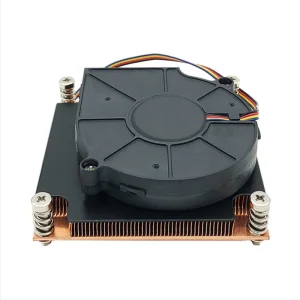
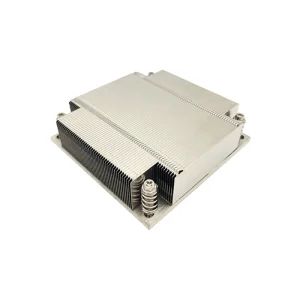
To maintain high reliability, high-power LED systems need external active or passive heat extractors. Drawing from our experience designing high-efficiency CPU fans and copper heat sinks (e.g., LGA115x-1U3E 110W series for server environments), we assist clients in developing integrated systems where the thermal substrate and the cooling element operate as a unified, highly optimized dissipation channel.
We build with strict adherence to international industrial compliance codes to facilitate seamless market penetration for our global clients:
As a forward-looking technological partner, VoltDRAM continuously invests in cutting-edge fabrication techniques. Over the next five years, we anticipate significant development in:
Flexible and Rigid-Flex MCPCBs: Enabling high-thermal dissipation in non-planar or curved lighting geometries, such as aerodynamic automotive lighting systems or wearable clinical therapy arrays.
Ceramic Matrix Cores (Al2O3 / AlN): Alumina and Aluminum Nitride substrates offer outstanding thermal conductivities (up to 170-230 W/m·K) and excellent dielectric strength without polymer layers. This is highly suitable for high-density laser diodes and aerospace-grade UV curing grids.
AI-Assisted Layout Optimizations: Utilizing machine learning models to analyze current distributions and predict thermal hotspots before physical board pressing, optimizing design cycles and lowering development costs.
FR-4 relies on epoxy and glass fiber weave, which has a very low thermal conductivity (around 0.25 W/m·K). Under high-power LEDs, FR-4 holds onto heat, causing high operating temperatures. MCPCBs use an integrated metal plate (usually aluminum or copper) bonded via a thin, thermally conductive dielectric layer. This metal substrate quickly pulls heat away from the board, dissipating it into the chassis or heat sink.
White solder masks (especially high-reflectivity matte or gloss white coatings) reflect upwards of 85-95% of light. This prevents the board from absorbing the light emitted by the LEDs, maximizing output efficiency. Black or dark green masks absorb light, transforming it into extra heat energy within the board structure.
Thermal vias are plated copper holes positioned directly beneath or adjacent to the LED thermal pad. They act as vertical conduits, letting heat bypass the resistive FR-4 layer to reach copper pads on the back side of the board. By filling these vias with conductive paste or solder, the thermal transfer capacity is significantly increased.
High-output lighting systems require significant driving current. If the copper traces are too thin, electrical resistance (I²R losses) will cause the traces themselves to generate excessive heat. Utilizing thick copper foils (ranging from 2 oz to 6 oz) reduces resistance, drops operating temperatures, and improves current carrying capability.
Through multi-layer hybrid PCB designs. We isolate high-speed digital pathways (such as DDR5 layout channels or microcontroller buses) on dedicated FR-4 layers while routing high-current driver circuits and LEDs on separate metal-backed sections. By using state-of-the-art simulation models, we prevent signal interference and thermal transfer between high-power elements and sensitive processors.