VoltDRAM
VoltDRAM
VoltDRAM
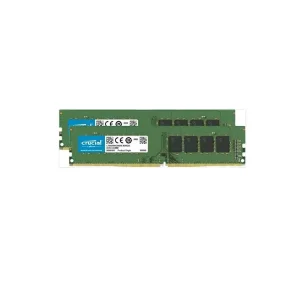
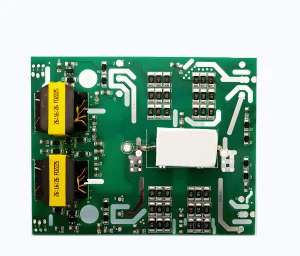
Engineered to excel in demanding environments. Featuring industrial temperature memory modules and high-precision electronic systems designed for key logistics, telecommunications, and monitoring nodes in Astana and Almaty.
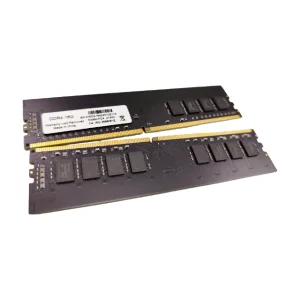
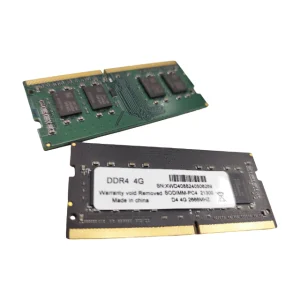
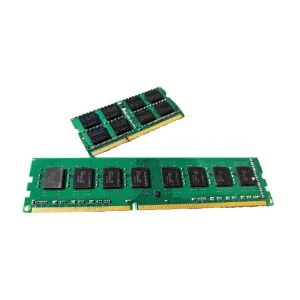
Kazakhstan exhibits one of the most demanding environmental profiles for heavy machinery, computational hardware, and electrical installations. Geographically subjected to a starkly continental climate, industrial facilities in Karaganda, Pavlodar, and Atyrau must operate reliably through thermal transitions ranging from severe winter lows of -40°C to parching summer peaks exceeding +40°C. Under these severe operating boundaries, standard FR-4 printed circuit boards (which feature a Glass Transition Temperature, or Tg, of 130°C to 140°C) fail rapidly due to thermal fatigue, dielectric breakdown, and delamination.
High-TG PCBs—fabricated with advanced substrates offering Tg ratings of 170°C to 180°C or higher—are specifically engineered to overcome these challenges. The glass transition temperature represents the critical threshold where a polymer matrix transitions from a rigid, glassy state to a flexible, rubbery state. Deploying substrates like Shengyi S1000-2 or ITEQ IT-180A ensures that the board retains its structural rigidity, low z-axis Coefficient of Thermal Expansion (CTE), and superior copper foil adhesion, preventing vias and traces from fracturing under cyclical thermal stresses.
For Kazakhstan's booming mining operations, oil extraction sites in the Caspian Basin, and rail transit networks across the Eurasian Land Bridge, adopting High-TG electronic architectures is a prerequisite for system longevity, safety, and operational continuity.
As the international electronics industry moves towards miniaturization, high frequency, and increased power density, thermal management has transitioned from a secondary design consideration to a critical path engineering requirement. High-power density applications—such as EV charging infrastructure, high-frequency telecommunication switches, server motherboard backplanes, and industrial power supplies—generate intense localized heat. Without high-TG materials, these hotspots cause delamination, impedance mismatches, and mechanical warping of the circuit board.
High-TG substrates preserve mechanical strength and electrical properties under prolonged thermal exposure, securing uninterrupted signals in high-temperature settings.
By minimizing dimensional changes along the X, Y, and particularly Z-axis, these boards protect plated through-holes (PTH) from micro-cracking and electrical open circuits.
High-TG formulations offer superior resistance to Conductive Anodic Filamentation (CAF) growth, minimizing risks of internal short circuits in high-humidity climates.
Globally, procurement departments demand manufacturers that adhere stringently to standards such as IPC-A-600 Class 2 or Class 3, UL 94V-0 flammability ratings, and RoHS/REACH compliance. Modern High-TG boards are formulated using advanced halogen-free epoxy resins modified with phenolic hardeners. These materials deliver lower dielectric constants (Dk) and lower dissipation factors (Df), ensuring high-speed signals—such as those processed by modern DDR5 memory modules and multi-core CPU architectures—remain clean and free of jitter.
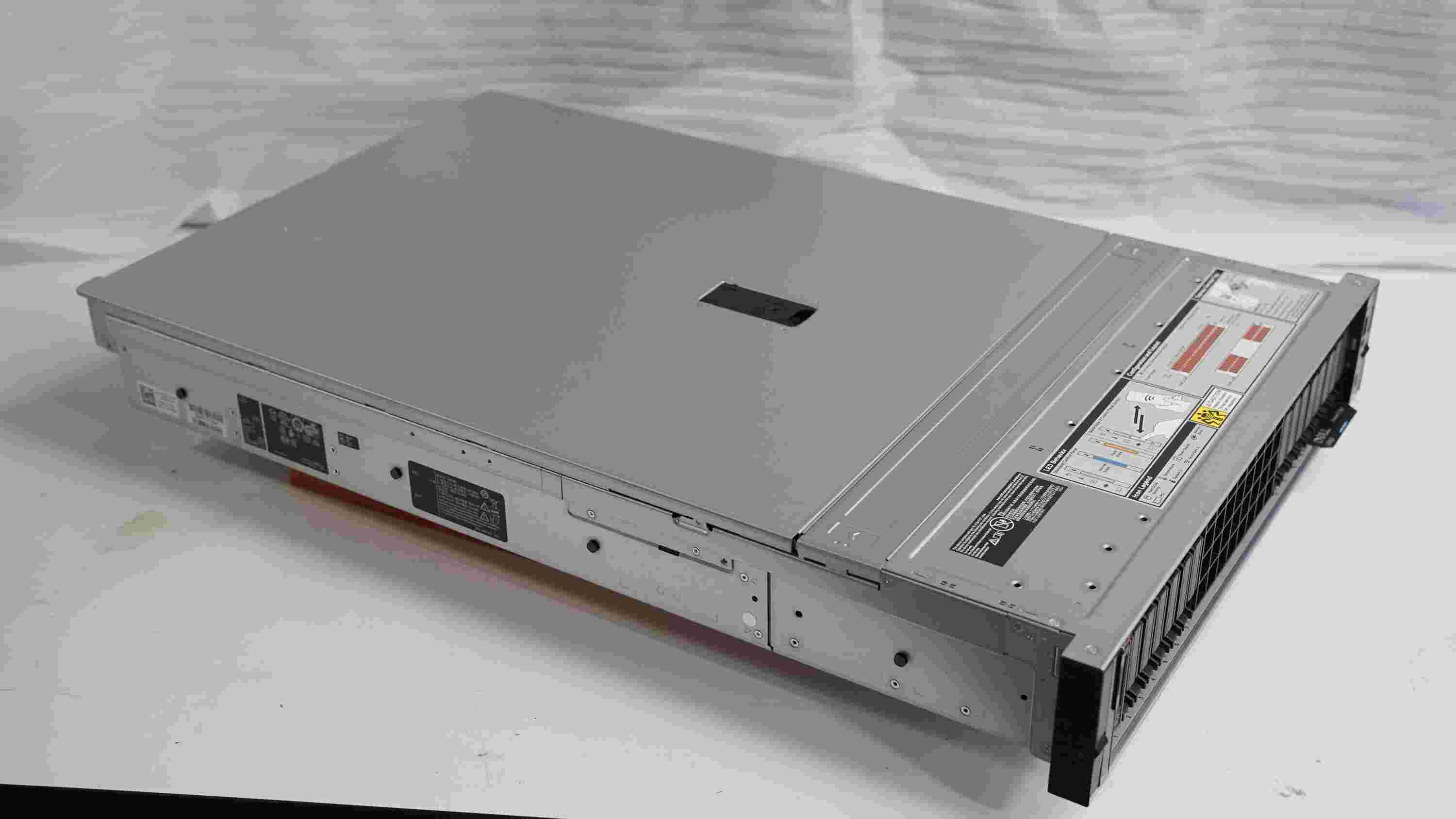
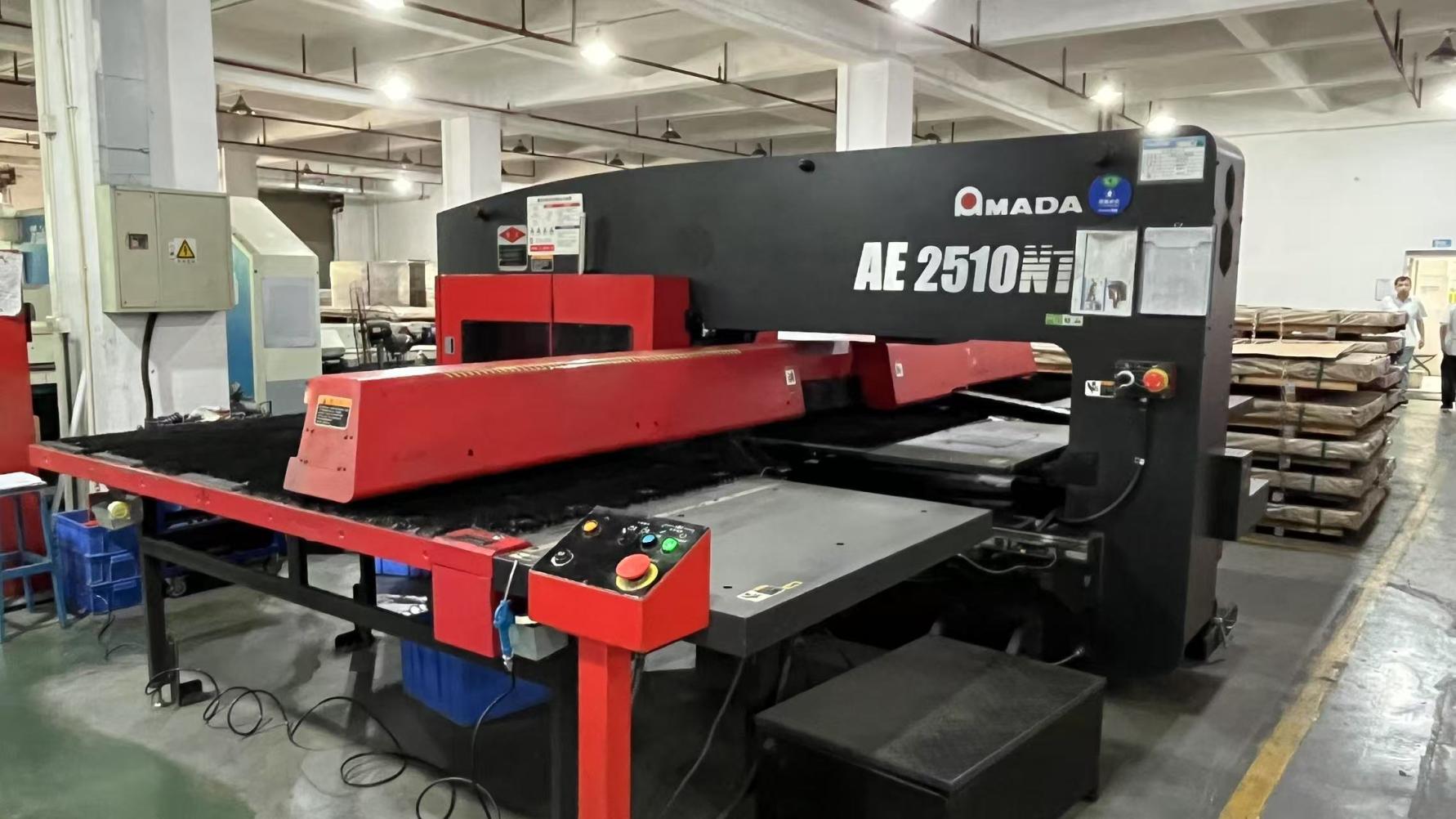
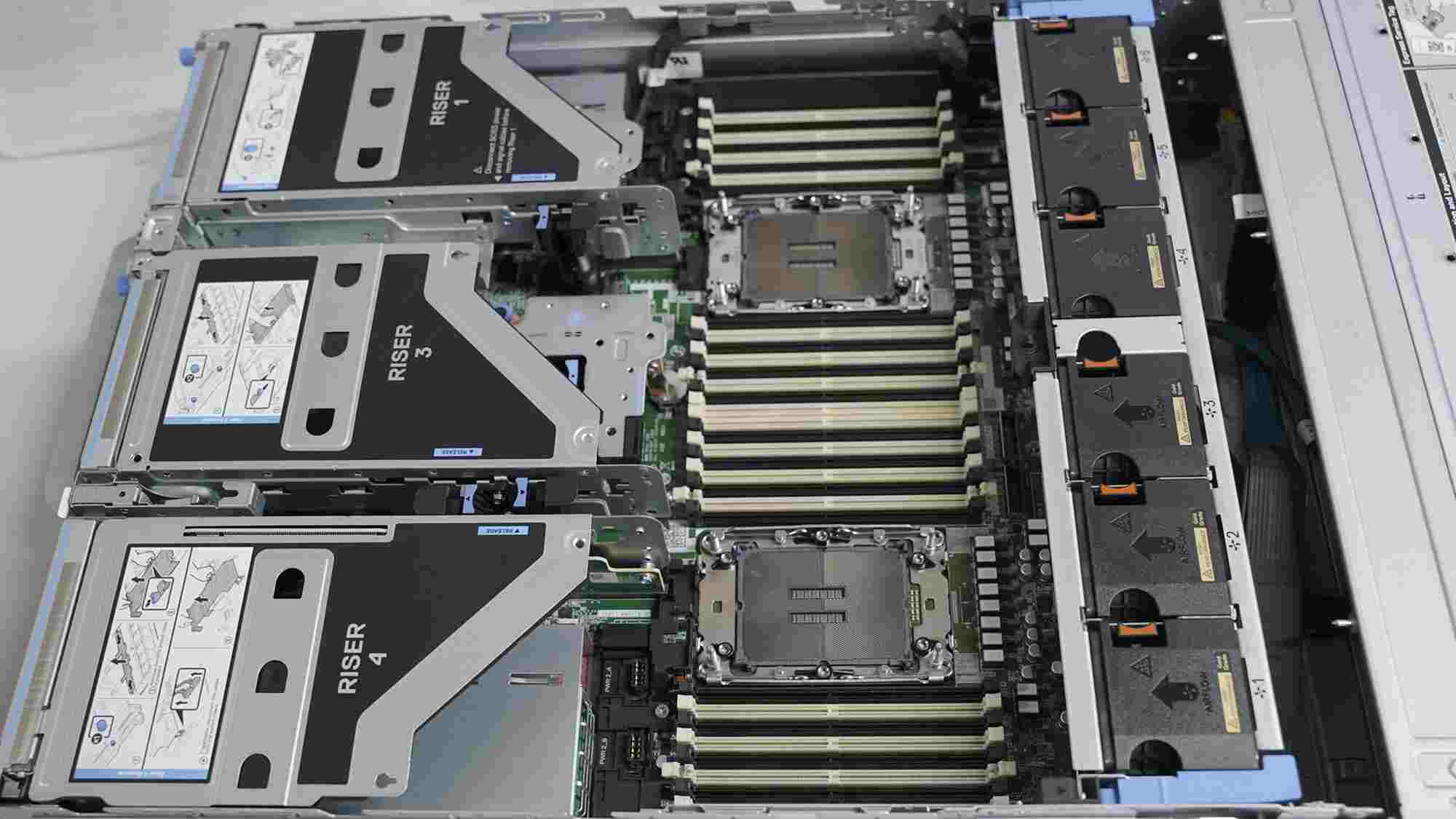
Sourcing High-TG PCBs from a specialized Chinese factory like VoltDRAM Semiconductor Co., Ltd. presents distinct structural and economic advantages for international buyers, particularly those within the Central Asian markets. The integration of advanced raw material supply chains (sourcing glass fabric, high-performance resins, and copper foil locally in South China) drastically lowers lead times and bill-of-materials (BOM) costs.
VoltDRAM Semiconductor Co., Ltd. is a professional DDR5 memory and high-performance hardware solution manufacturer, specializing in critical DRAM applications for servers, PCs, and data centers. Established between 2015–2018, the company has rapidly grown into a reliable global supplier, marrying semiconductor memory R&D with complex printed circuit board assembly capabilities.
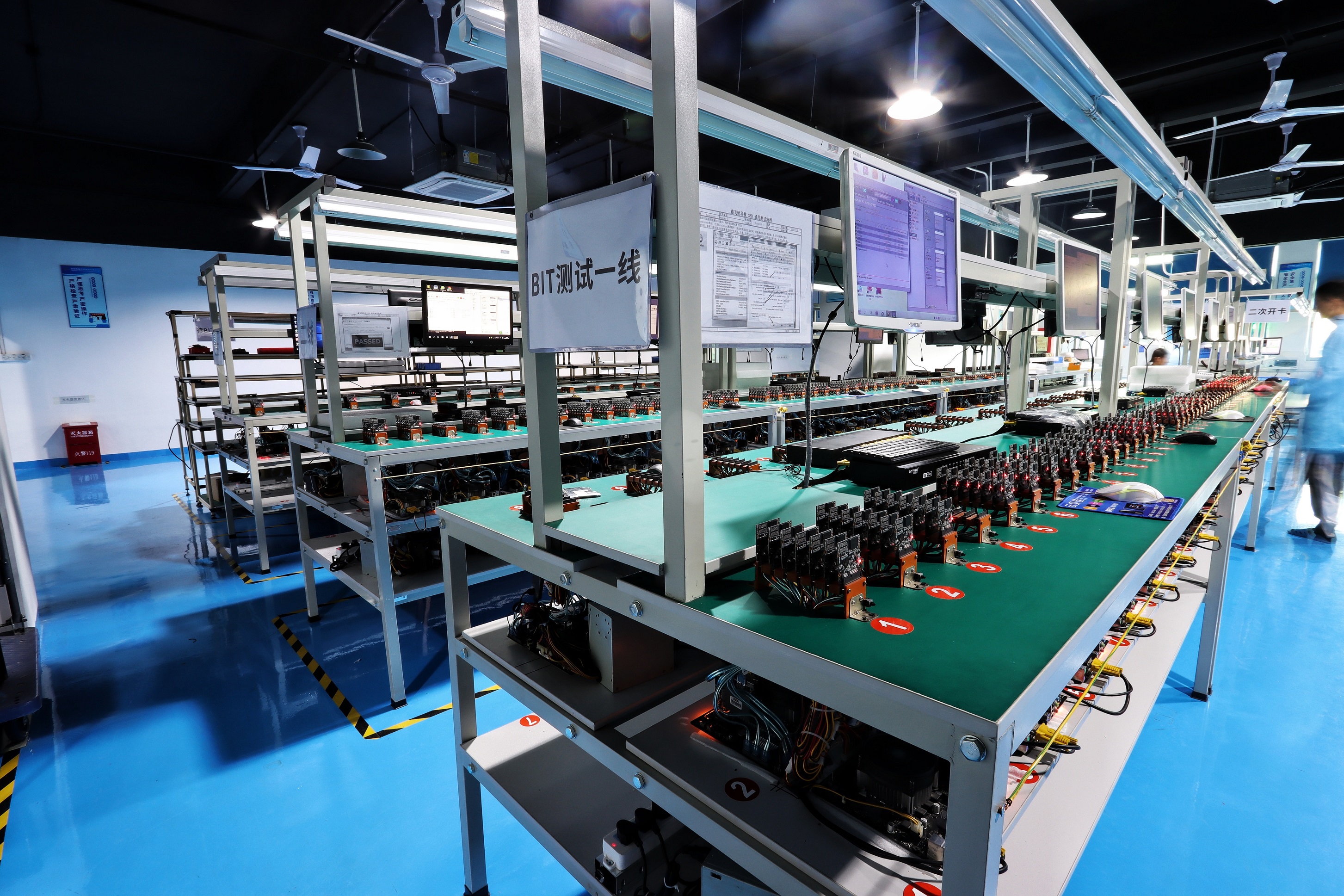
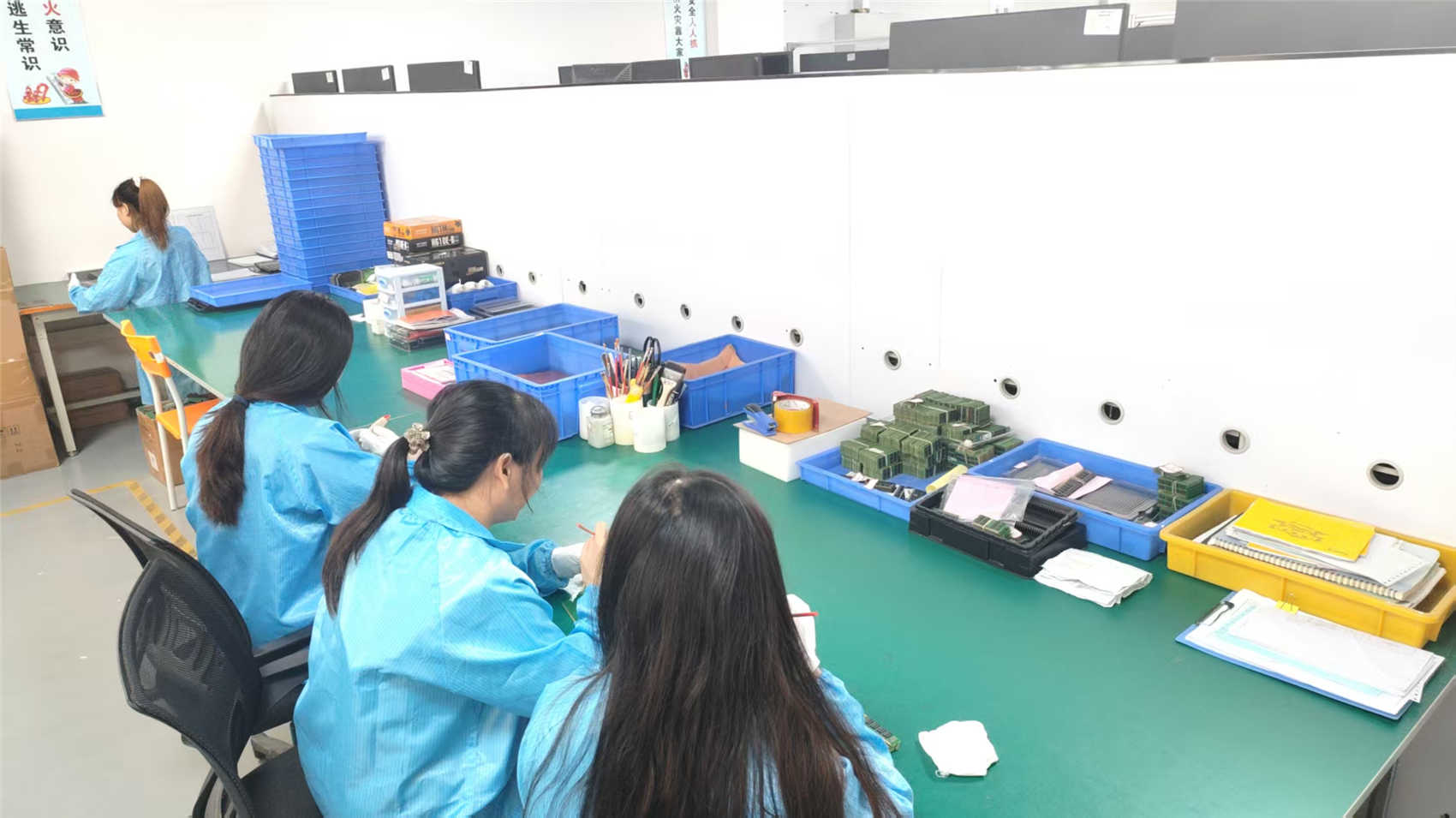
Our manufacturing facility spans a precision-controlled workspace of 320–480㎡, fully optimized with high-speed automated SMT lines, advanced reflow ovens capable of handling high-TG thermal curves, and automated optical inspection (AOI) technology. With an annual export volume reaching USD 8–18 million, 6–9 years of export experience, and 8–15 years of industry expertise, VoltDRAM serves as a crucial partner for Kazakh entities requiring industrial-grade board integrations.
The implementation of High-TG substrates in Kazakhstan spans several key economic pillars. These applications demand hardware that can withstand extreme environmental fluctuations, electrical surges, and physical vibrations:
Kazakhstan's gold, copper, and coal mining infrastructure relies on automation to improve extraction safety and efficiency. Sensors, telemetry systems, and PLC controllers placed directly on drilling machinery or within deep underground shafts undergo intense mechanical vibration and thermal spikes. Standard boards fail under these stresses; High-TG PCBs ensure that sensor arrays, control boards, and communication lines continue transmitting critical data without interruption.
High-temperature telemetry tools used in downhole drilling and Caspian Sea offshore platforms are subjected to immense pressure and temperatures exceeding 150°C. Standard FR-4 begins to lose its mechanical properties, potentially leading to catastrophic failure. Using High-TG substrates, designed with custom thermal vias, ensures that downhole sensors, directional drilling computers, and gas detection systems remain functional in high-stress, hazardous environments.
Kazakhstan's national grid modernization program utilizes smart substations, distribution monitoring units, and high-voltage grid switches. These systems are constantly exposed to ambient temperature swings and must manage high currents that raise internal board temperatures. High-TG boards, integrated with heavy copper traces, prevent physical deformation, thermal expansion stresses, and dielectric breakdown in these critical utility systems.
As a key corridor of the Silk Road Economic Belt, Kazakhstan's rail freight infrastructure relies on signaling systems, automated switching, and tracking units installed along thousands of kilometers of remote tracks. These outdoor electronic enclosures experience extreme temperature fluctuations. Using high-reliability High-TG circuit boards prevents delamination and joint failure caused by thermal cycling, ensuring rail corridors operate safely year-round.
VoltDRAM Semiconductor ensures that every batch of High-TG PCBs and industrial memory modules undergoes comprehensive screening before shipment. Because high-temperature substrates are deployed in mission-critical systems, visual inspection alone is insufficient. We run a series of tests to confirm physical and electrical integrity:
Our QC team comprises 35–80 experienced inspectors who maintain strict compliance with global ISO-based quality management standards, ensuring a defect rate of less than 0.05% across all production lines.
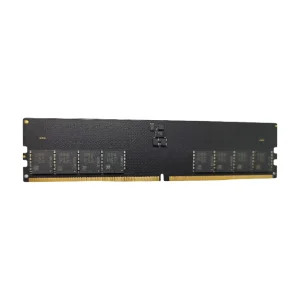
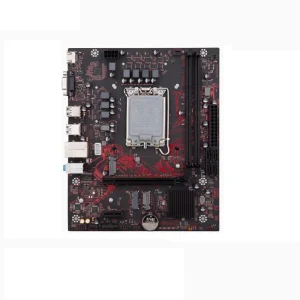
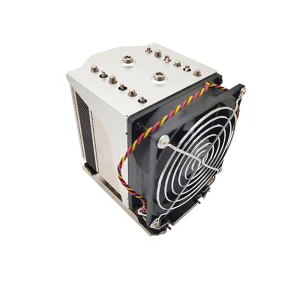
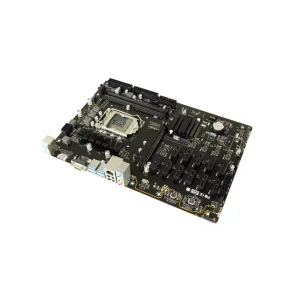
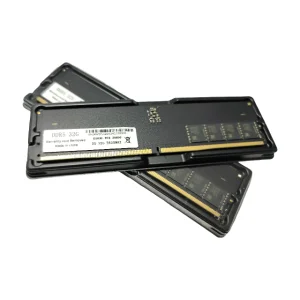
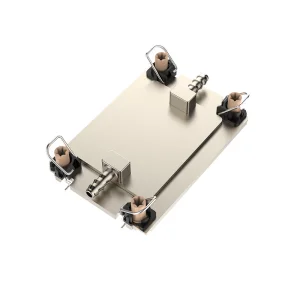
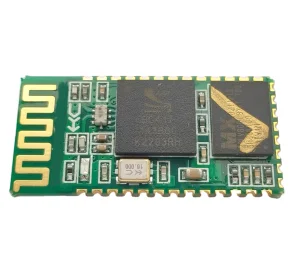
Explore our full line of industrial motherboards, high-frequency DDR5 memory, cooling modules, and specialized PCB designs for Kazakhstan's industrial networks.
Deep technical answers regarding High-TG PCBs, material specifications, and localization capabilities for Kazakhstan's industrial market.
Take a virtual tour through our advanced cleanrooms, high-speed SMT placement lines, and testing laboratories.
Partner with a professional manufacturer with over 15 years of industry experience. Get a fast quotation, comprehensive design reviews, and reliable delivery for all your industrial memory and board assembly needs.
Send Inquiry Now