VoltDRAM
VoltDRAM
VoltDRAM
In an era defined by cognitive computing, edge-deployed artificial intelligence, and unprecedented data generation, electromechanical devices have evolved from simple physical components into complex, integrated sub-systems. Modern enterprise architectures demand components that achieve high thermal efficiency, impeccable signal integrity, and exceptional mechanical durability. The globalization of hardware distribution necessitates a partner capable of merging structural engineering with advanced micro-electronics.
China's electromechanical factories are leading this development. They offer more than just low-cost mass production. They provide the complete integration of raw material processing, high-density printed circuit board (PCB) fabrication, high-speed DRAM packaging, and dynamic thermal engineering. A prime example is VoltDRAM Semiconductor Co., Ltd., a company focused on high-performance DDR5 memory modules and complex electronic assemblies. This whitepaper analyzes the technology roadmap, localized application scenarios, supply chain structures, and verification processes that make Chinese exporters key partners for global industrial projects.
Modern hardware relies on high-speed data transmission and reliable power management. System architectures are currently transitioning from legacy standards to high-bandwidth, high-frequency, and low-thermal-resistance designs.
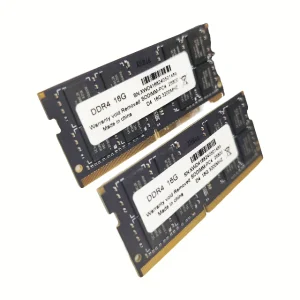
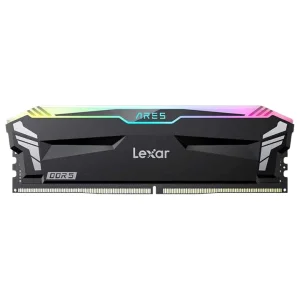
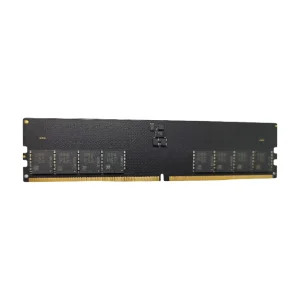
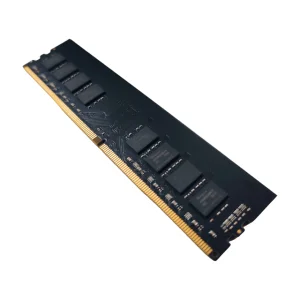
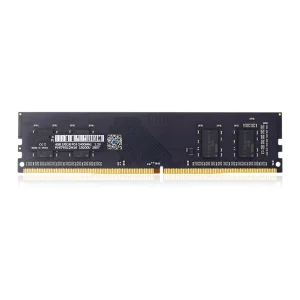
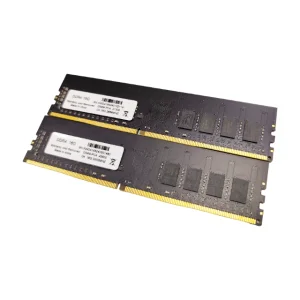
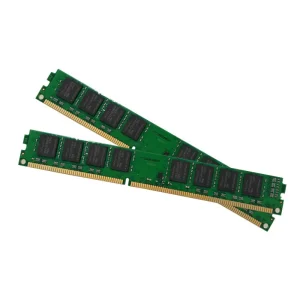
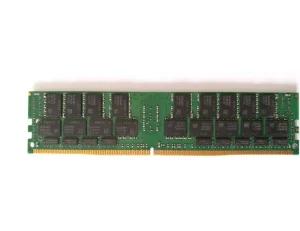
The transition from DDR4 to DDR5 is a significant step forward in bandwidth and memory architecture. DDR5 doubles the bandwidth of DDR4, supporting data rates of 4800 MT/s to over 6400 MT/s. Crucially, it shifts Power Management off the motherboard and directly onto the DIMM via a Power Management Integrated Circuit (PMIC). This design improves power efficiency, reduces motherboard complexity, and enhances signal integrity.
Furthermore, DDR5 introduces On-Die ECC (Error-Correcting Code), which corrects single-bit errors within the DRAM chips before sending data to the CPU. This significantly increases system reliability in data centers and industrial servers.
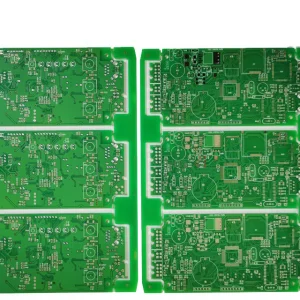
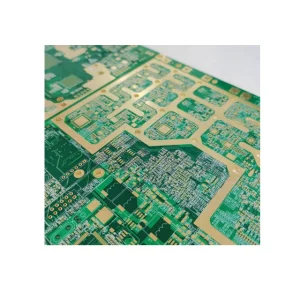
High-speed microchips require robust PCB materials. High-frequency boards, such as those built with Shengyi FR4 High TG170 or Rogers 4000 series mixed-pressure layups, are engineered to minimize insertion loss and maintain stable dielectric constants (Dk/Df) under varying temperatures. This helps prevent signal distortion in RF, microwave, and high-speed digital systems.
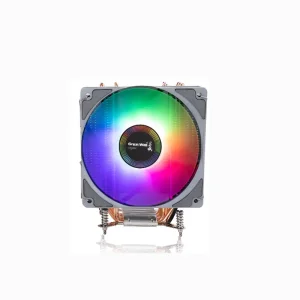
Modern processors generate significant heat. High-capacity cooling solutions, like 6-tube copper-aluminum heat sinks, use phase-change dynamics within copper heat pipes to quickly move heat away from the silicon. The combination of high-density aluminum fins and direct-contact copper tubes ensures efficient heat dissipation for processors with thermal design power (TDP) up to 220W, even in compact M-ATX enclosures.
| Technology Segment | Current Industry Standard | VoltDRAM Target Spec (2025-2026) | Key Technical Drivers |
|---|---|---|---|
| DRAM Module | DDR4 3200MHz Non-ECC | DDR5 5600/6000MHz ECC / Server Grade | On-die ECC, PMIC Power Control, Subchannel Architecture |
| PCB Dielectrics | Standard FR4 (TG 130) | Rogers 4000 / Shengyi High TG170 Mixed | Low signal attenuation, High thermal stability, Controlled Impedance |
| Thermal Dissipation | 4-Pipe Aluminum Coolers (150W TDP) | 6-Pipe Copper-Aluminum Composites (220W+ TDP) | Direct Contact Heat Pipes, High CFM 4-Pin PMW Fans |
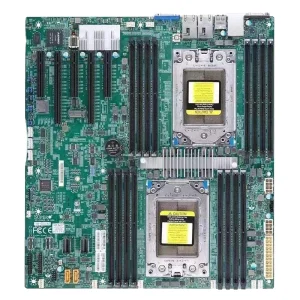
| Server Boards | Single Socket, PCIe 3.0 | Dual Channel Server Boards (PCIe 4.0/5.0) | H11DSI-NT architectures, High density signal routing |
Founded between 2015 and 2018, VoltDRAM Semiconductor Co., Ltd. has grown into a key manufacturer of high-performance DRAM solutions. The company's production facilities cover 320–480㎡ of cleanroom space designed for precise surface-mount technology (SMT) and testing.
VoltDRAM generates an annual export revenue of USD 8–18 million, serving markets in North America, Europe, Southeast Asia, and the Middle East. With 6–9 years of export experience and 8–15 years of industry expertise, VoltDRAM has built a reliable manufacturing operation supported by a network of over 600–1,500 supply chain partners.
We utilize state-of-the-art automated optical inspection (AOI), high-temperature dynamic burn-in chambers, and high-frequency impedance testers to ensure all memory modules and PCBs meet strict industrial standards.
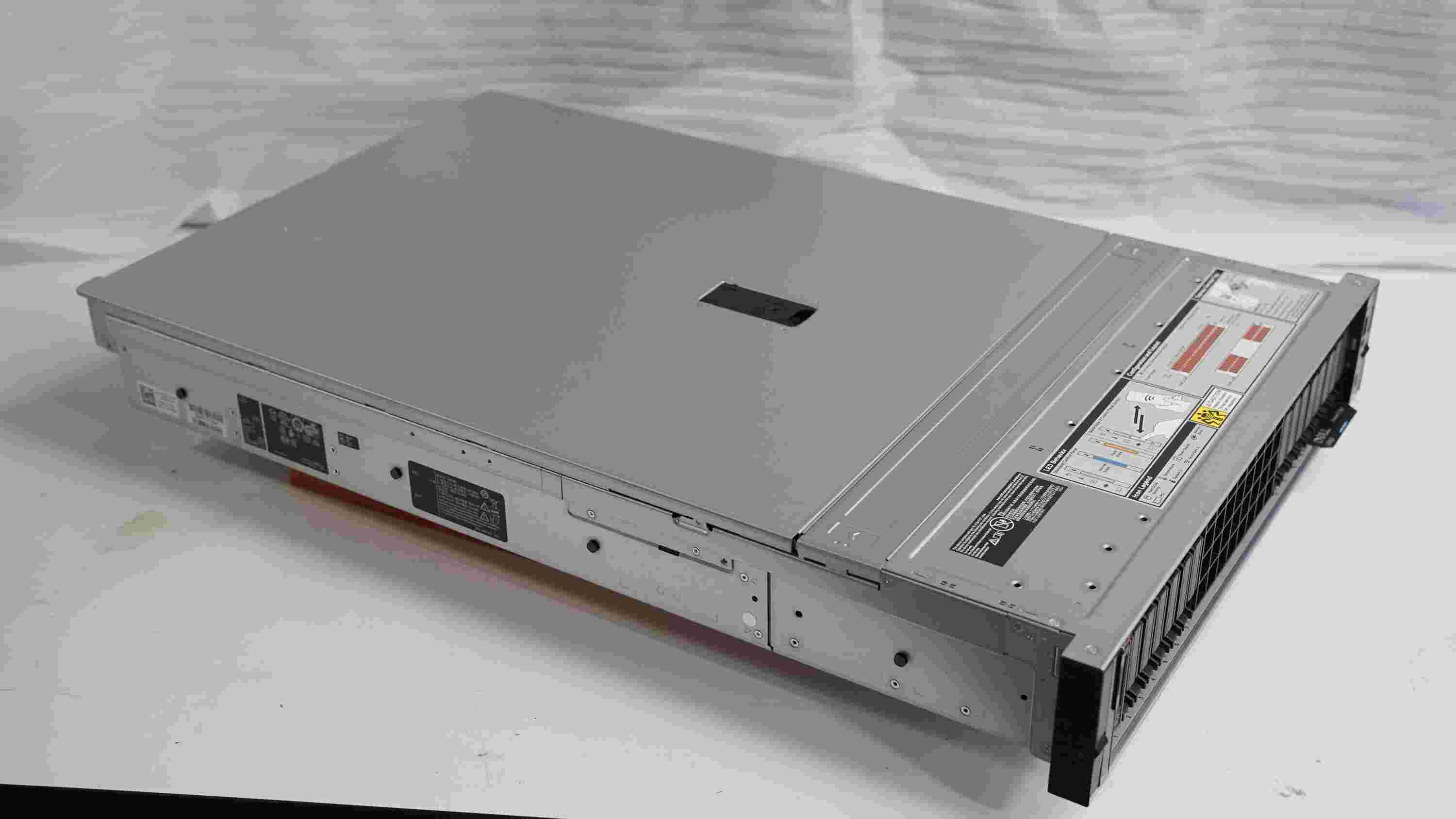
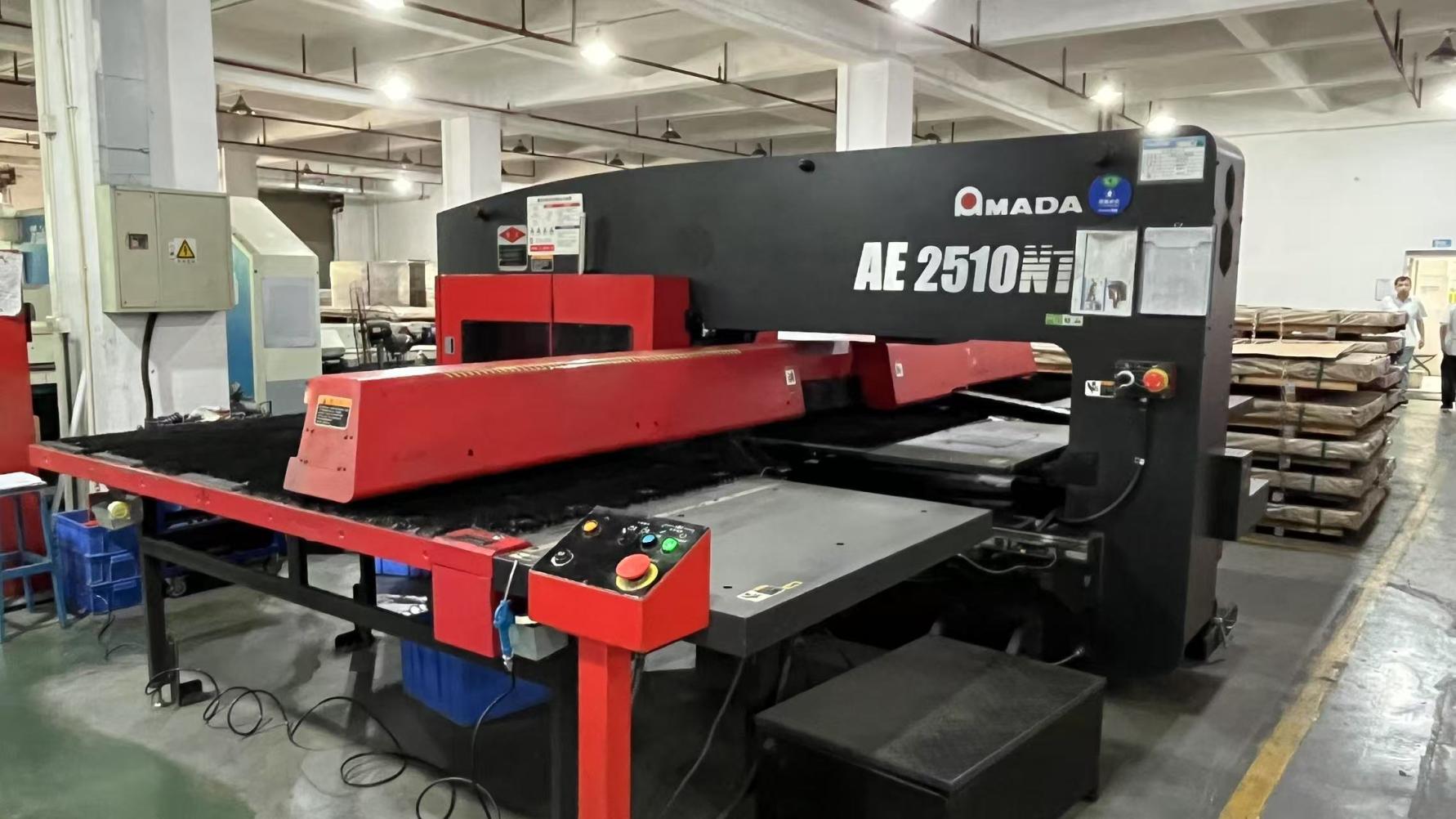
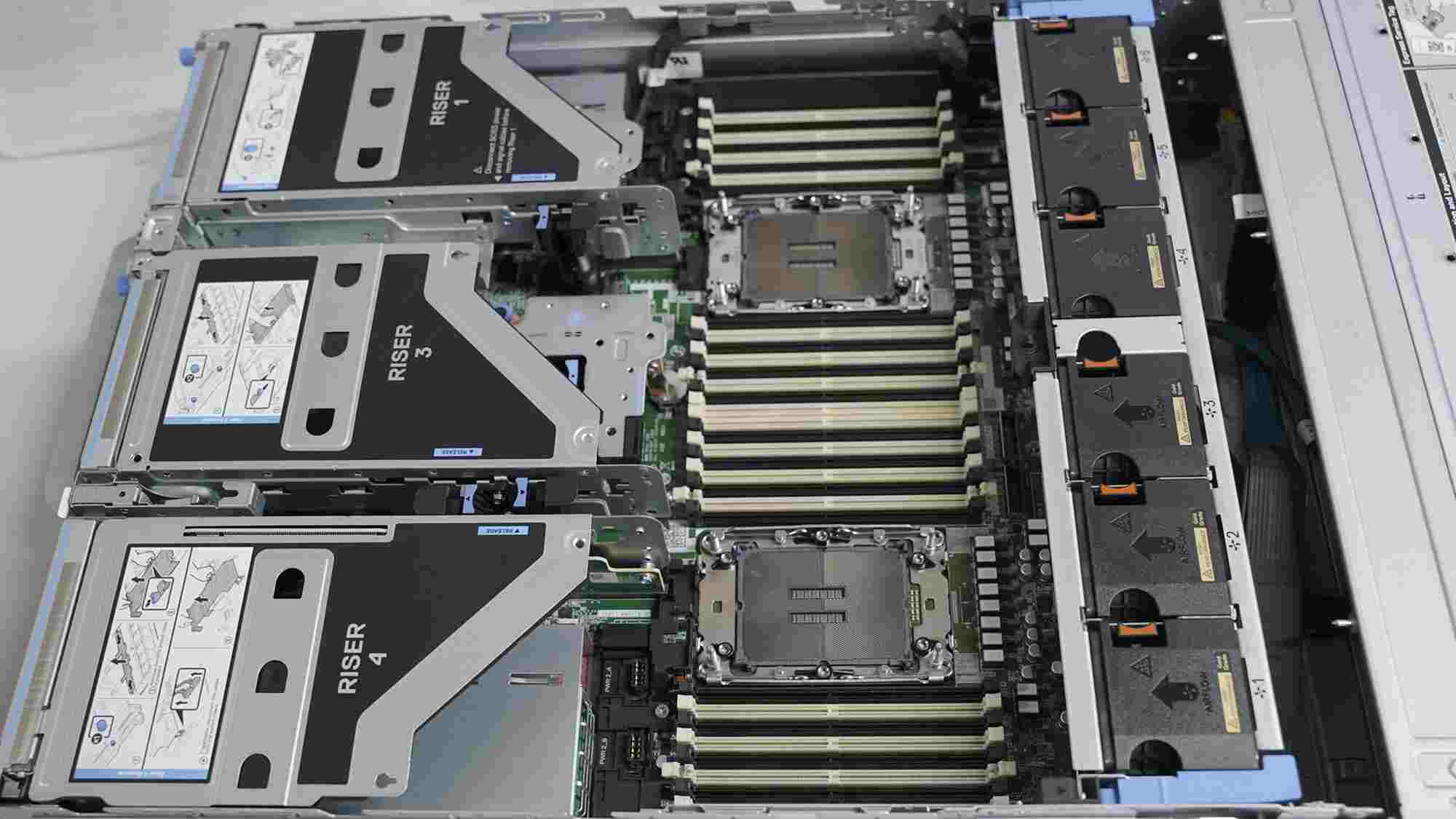
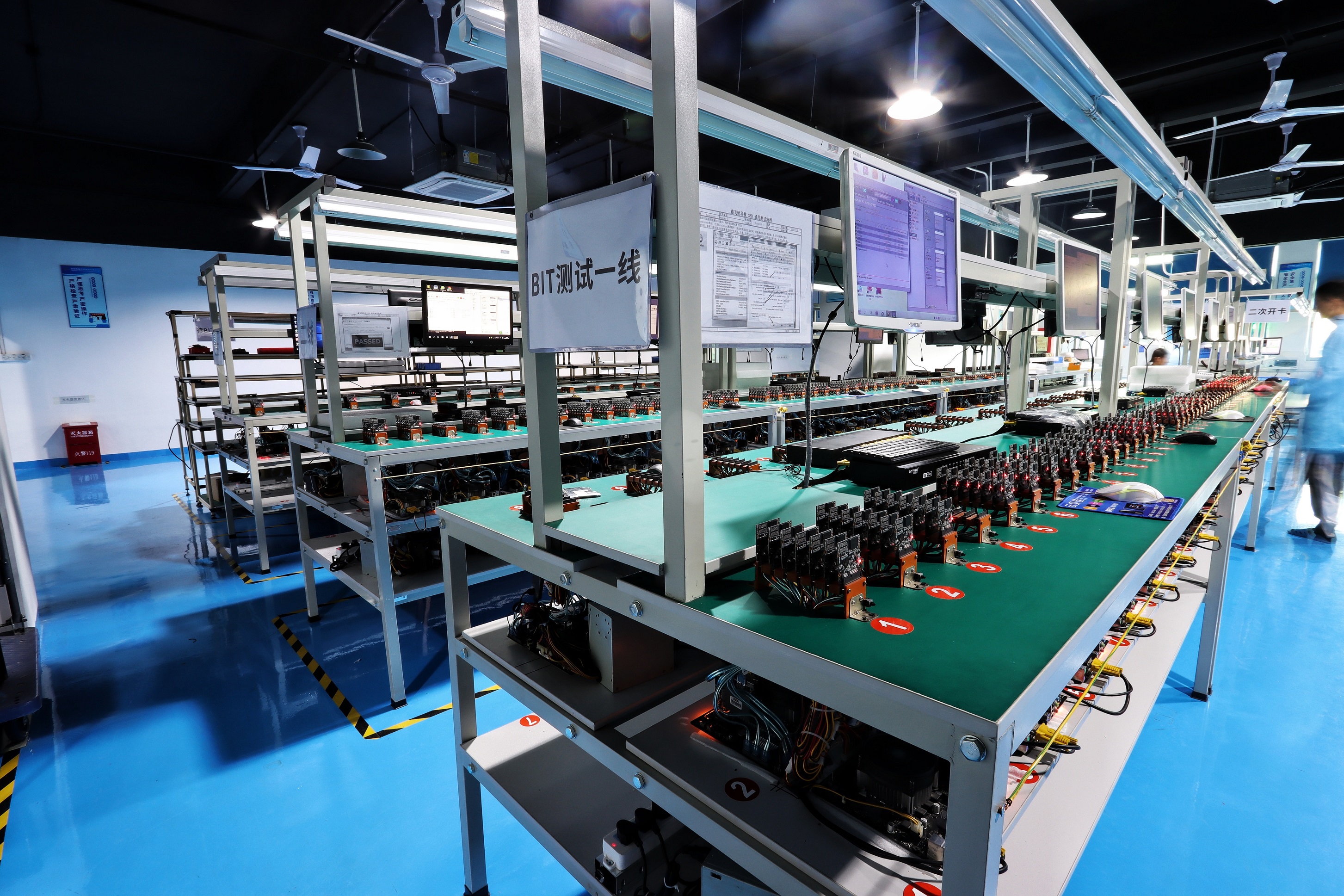
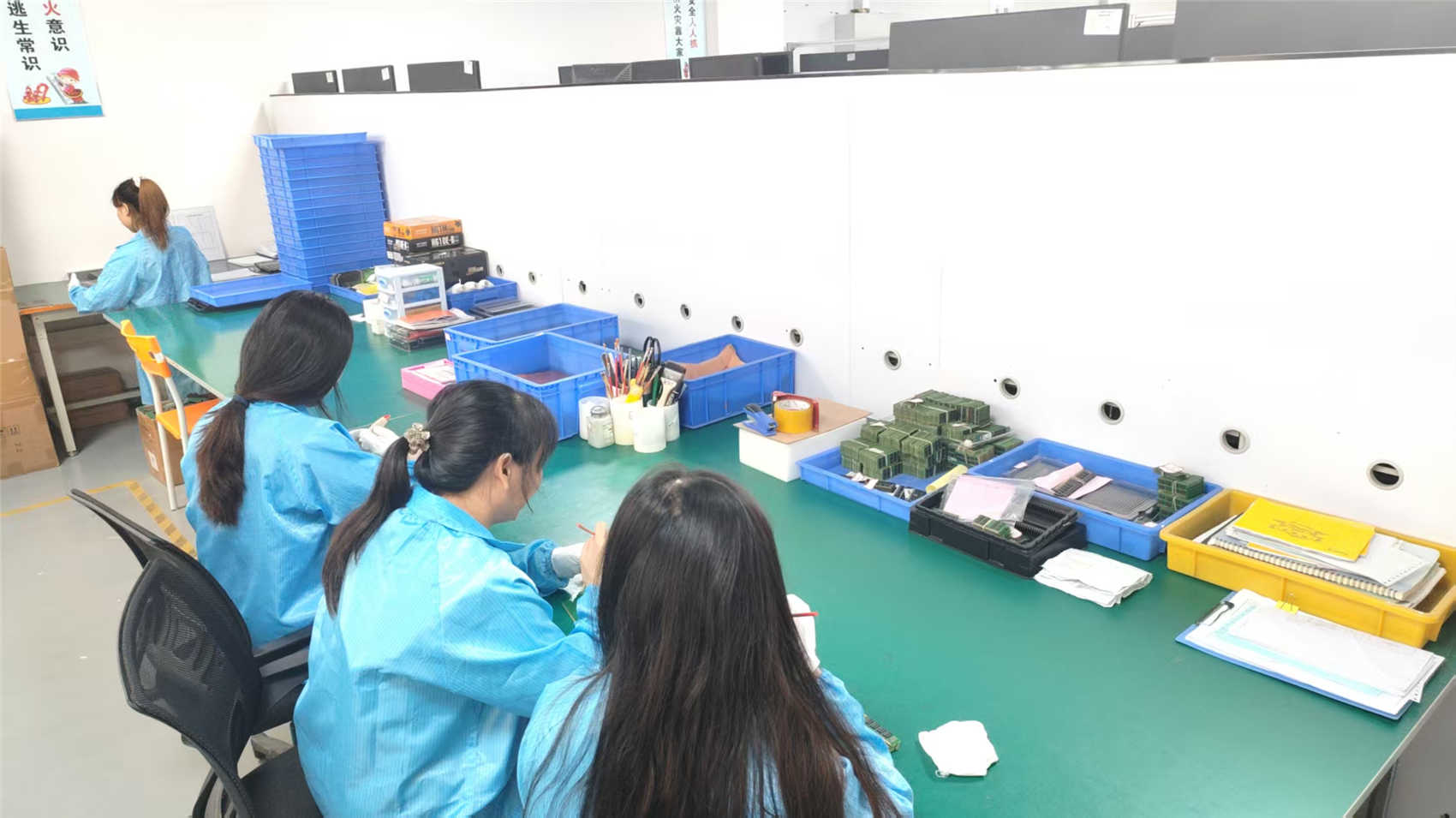
Electromechanical and memory products must perform reliably across different operating environments. VoltDRAM designs and fabricates hardware components tailored to specific regional and technical applications.
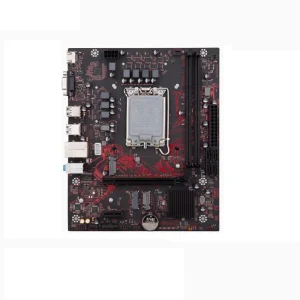
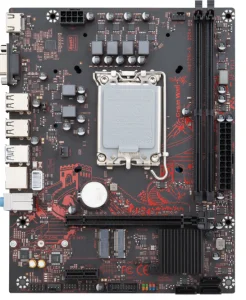
In enterprise data centers in North America and Western Europe, power density and cooling are constant challenges. Our DDR5 ECC Server Memory Modules and Dual-Channel Motherboards are engineered for continuous 24/7 operation. Incorporating Rogers or Shengyi high-TG laminates prevents thermal failures under high workloads, helping to ensure consistent uptime.
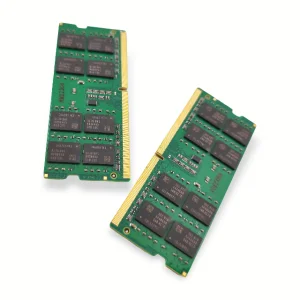
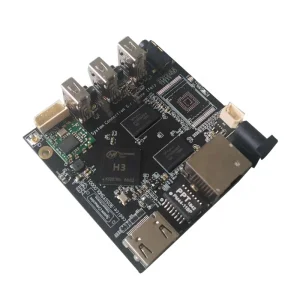
Smart factories in East Asia and Germany require edge computing devices that can withstand dust, vibration, and temperature swings. Our industrial memory modules use thick gold-finger plating and conformal coatings to prevent oxidation. Dual-channel server motherboards provide the processing power needed for local AI inference and real-time machine vision directly on the factory floor.
For rendering, CAD modeling, and data analysis, workstations need cooling systems that can manage sustained high thermal loads. Compact cooling units, like our 6-pipe air-cooled copper-aluminum heat sinks, provide thermal dissipation for CPUs up to 220W. This level of cooling keeps components running within safe temperature limits, avoiding thermal throttling.
Navigating international shipping and regulatory requirements is essential for global trade. VoltDRAM implements quality verification processes to ensure our products meet the standards of diverse markets.