VoltDRAM
VoltDRAM
VoltDRAM
Engineered for high-density servers, edge nodes, and industrial computing platforms deployed across Brussels, Antwerp, and Ghent.
Belgium lies at the very geographic and political heart of Europe, establishing it as one of the most critical routing hubs and digital corridors on the continent. With the ongoing expansion of the FLAP-D (Frankfurt, London, Amsterdam, Paris, Dublin) data center market, Belgium has rapidly emerged as a primary target for spillover demand. Enterprise deployments, colocation giants, and hyperscale operations in areas like Saint-Ghislain, Brussels, and Antwerp are building out massive computational clusters.
This expansion brings severe thermal management challenges. Modern microprocessors from Intel (Xeon Scalable platforms) and AMD (EPYC families) are pushing past 300W and 400W TDP (Thermal Design Power) thresholds. As high-density AI workloads, machine learning pipelines, and cloud computing infrastructure scale up, conventional heat sinks can no longer keep up without generating excessive noise or consuming unsustainable amounts of fan power. Selecting the correct server radiator supplier is a foundational requirement to achieve optimal Power Usage Effectiveness (PUE) and long-term hardware reliability in the Belgian market.
“Improving PUE through advanced cooling solutions is not just an operational cost saver for Belgian data centers; it is a regulatory imperative under the European Green Deal and CSRD guidelines.”
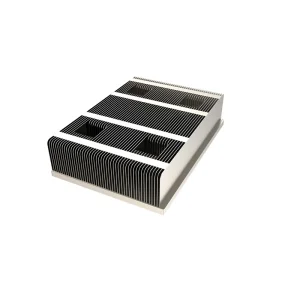
Energy efficiency in Belgium is subject to strict European environmental standards. Data center operators face intense pressure to reduce their carbon footprint and overall power consumption. Highly optimized server radiators, utilizing copper-base skived fin configurations, vacuum-brazed liquid cooling plates, and composite heat-pipe loops, directly address this issue. By maximizing heat transfer rates and reducing thermal resistance, these advanced thermal architectures minimize the workload on server chassis fans, lowering overall server energy consumption.
The cooling requirements of server infrastructure vary widely depending on the industrial and commercial application. In Belgium, we see three distinct verticals demanding specialized thermal configurations:
Hardware procurement managers face a complex balancing act when designing and upgrading server hardware. While air cooling remains the default option for standard 2U to 4U rack servers due to its simple implementation and lower upfront costs, the industry is approaching a physical limit. As processor architectures shrink and power levels rise, the thermal density (W/cm²) on the CPU die increases exponentially.
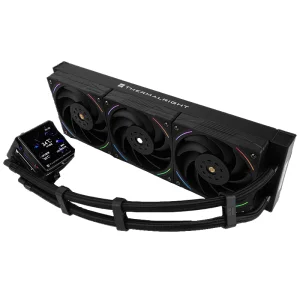
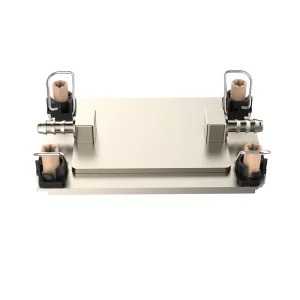
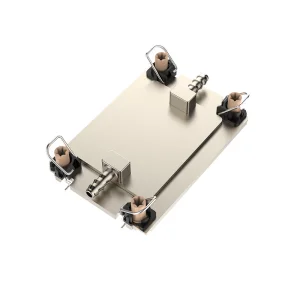
This has driven global interest in Liquid Cooling technology. Direct-to-Chip (D2C) liquid cooling utilizes a water block mounted directly on the processor, transferring heat to a working fluid that is pumped to a remote radiator. Our high-performance copper water blocks support thermal loads up to 400W and beyond for LGA4677 and LGA4189 platforms. This transition allows data centers to operate with higher intake water temperatures, eliminating the need for energy-intensive chillers and drastically reducing PUE.
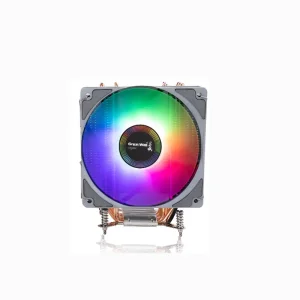
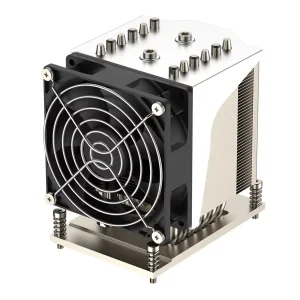
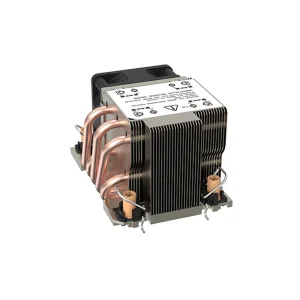
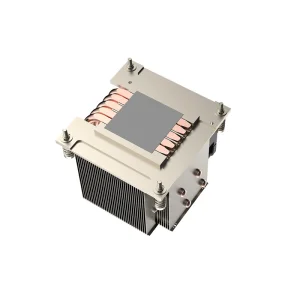
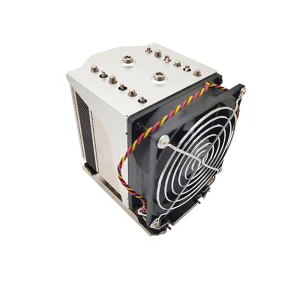
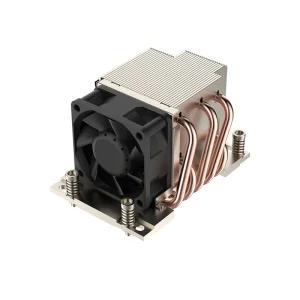
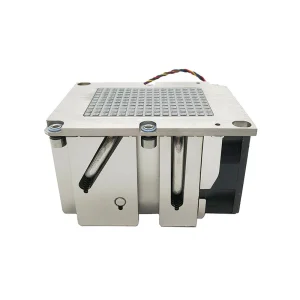
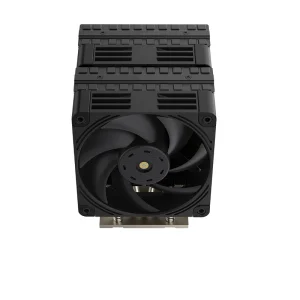
For air-cooled systems, the integration of multi-heat-pipe configurations with aluminum zipper fins represents the pinnacle of cost-efficient thermal design. Sintered copper powder heat pipes containing internal vapor chambers provide excellent thermal conductivity. This allows heat to be distributed rapidly across a larger fin surface area, maximizing the volumetric efficiency of the radiator.
Partnering with an advanced manufacturing facility in China allows Belgian system integrators to leverage the benefits of Factory 4.0 manufacturing methods. Modern server radiator production demands extreme precision; even a sub-millimeter variance in flatness on the copper base plate can create microscopic air gaps, leading to CPU overheating.
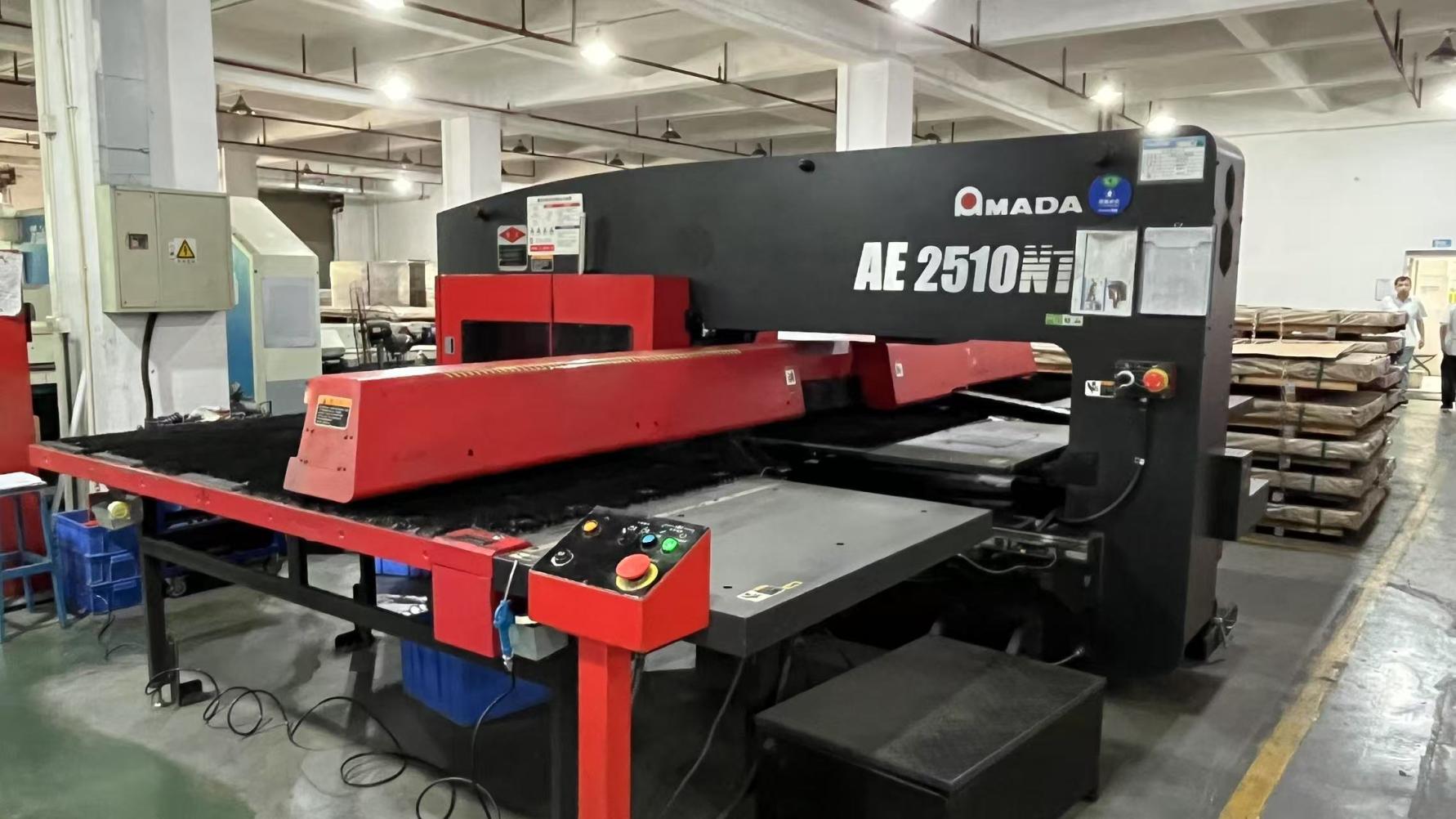
Our manufacturing ecosystem features highly automated CNC machining centers, automated skiving machines for ultra-thin fin arrays, and continuous vacuum-brazing furnaces for liquid cooling components. This automation ensures high mechanical consistency across large production runs, while keeping manufacturing costs competitive.
Supply chain resilience is maintained through deep integration with raw material providers and component manufacturers. This enables short lead times for custom tooling and prototype development. Thermal simulation modeling (CFD) is performed during the initial design phase to predict thermal resistance and pressure drop characteristics, ensuring the physical radiator meets performance specifications before manufacturing begins.
Your Trusted Global OEM/ODM Partner for High-Performance Semiconductor and Server Thermal Solutions
VoltDRAM Semiconductor Co., Ltd. is a professional DDR5 memory manufacturer specializing in high-performance DRAM solutions for servers, PCs, and data center applications. The company was registered between 2015–2018 and has rapidly developed into a reliable global supplier in the memory industry. By integrating high-speed memory architectures with advanced thermal design, we provide comprehensive hardware solutions that meet the needs of modern computing infrastructure.
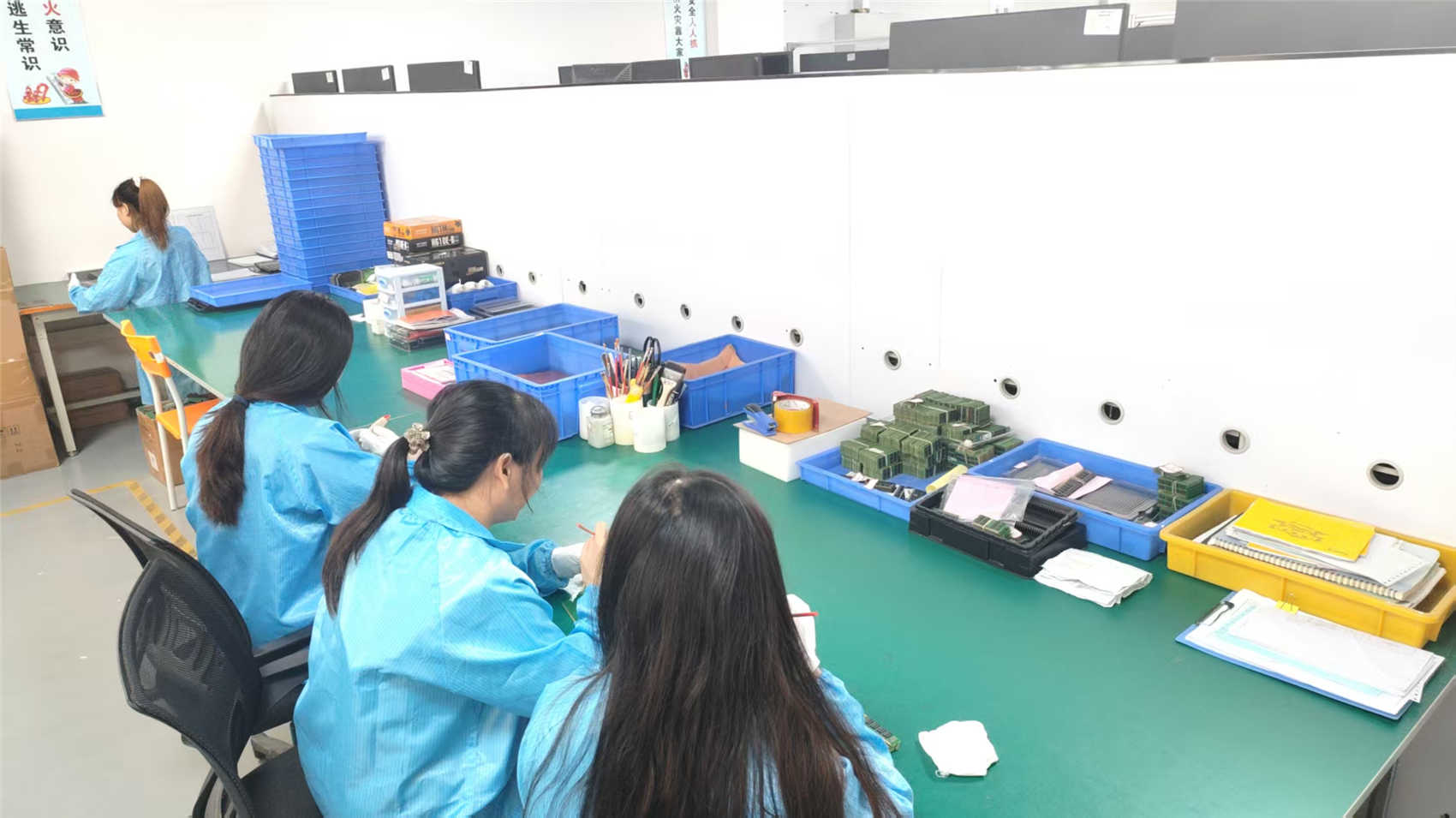
Our manufacturing facility covers an area of approximately 320–480㎡, equipped with advanced production and testing lines. We generate an annual export revenue of around USD 8–18 million, backed by 6–9 years of export experience and 8–15 years of industry expertise in semiconductor memory development and thermal component manufacturing.
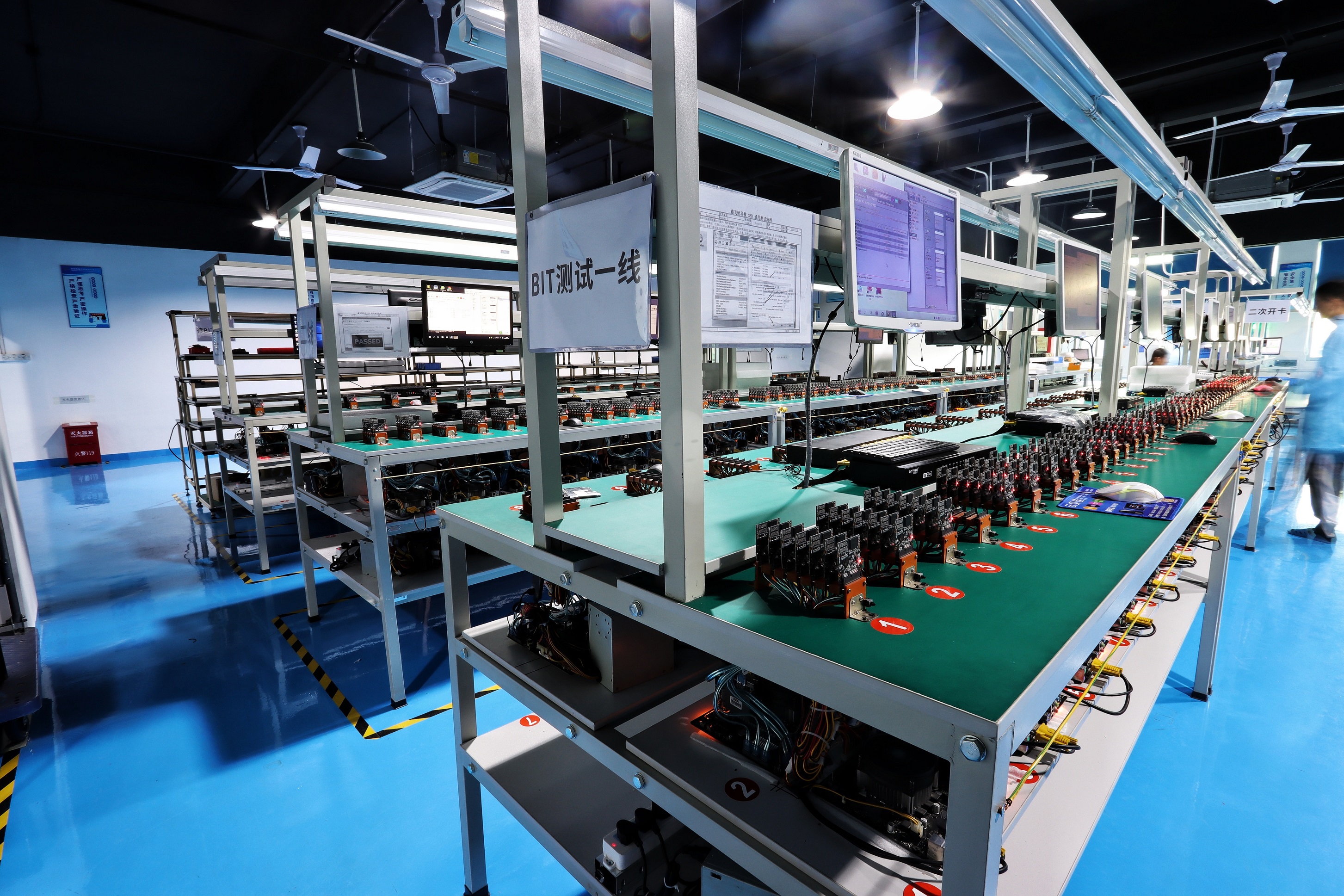
Quality is at the core of VoltDRAM. We implement strict ISO-based quality management systems, combined with automated optical inspection (AOI), electrical performance testing, burn-in testing, and reliability stress testing to ensure stable product performance. Our quality control team consists of 35–80 experienced inspectors, ensuring every batch meets international standards.
With a strong international trade background, VoltDRAM mainly serves markets in North America, Europe, Southeast Asia, and the Middle East. We maintain long-term cooperation with over 600–1,500 supply chain partners, supporting a stable and efficient production ecosystem. Our customers include OEM/ODM brands, system integrators, data center operators, and industrial computer manufacturers.
Each year, we launch approximately 120–450 new product variants, supported by a dedicated R&D team of 60–300 engineers. Our innovation-driven approach allows us to continuously deliver competitive and high-performance memory and thermal solutions to global customers.
Critical engineering inquiries answered by our senior thermal research and development specialists.
Our design process adheres closely to the mechanical keep-out zones and pressure specifications defined by Intel and AMD. Mounting brackets and backplates are CNC-machined to match the exact hole patterns of these processor platforms. We also specify target torque values for mounting screws to ensure proper interface pressure between the cold plate and the CPU Integrated Heat Spreader (IHS), optimizing thermal transfer without risk of physical damage to the socket.
Vapor Chambers (VC) operate on a closed-loop phase-change cycle. The inner chamber contains a small amount of working fluid (typically deionized water) that vaporizes when exposed to heat from the CPU. This vapor travels to the cooler regions of the chamber, condenses, and returns to the hot spot via capillary action through a sintered copper wick structure. This mechanism spreads heat more uniformly across the base plate than solid copper, reducing localized hot spots and improving overall radiator performance.
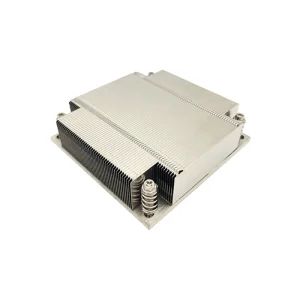
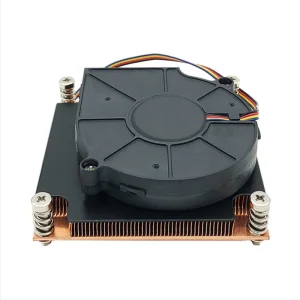
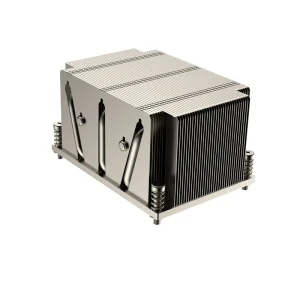
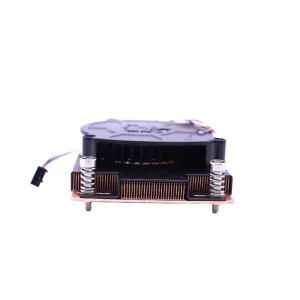
Yes. Space constraints in 1U and 2U chassis demand custom-engineered heat sinks. For 1U applications (which limit radiator height to roughly 26-28mm), we utilize high-density skived copper fins combined with high-velocity blowers to maximize airflow. For 2U configurations, we can implement larger aluminum fin stacks connected to copper bases via multiple bent heat pipes, balancing weight, thermal capacity, and cost.
Our quality management system is based on strict ISO standards. We utilize Automated Optical Inspection (AOI) to verify structural and solder integrity, while liquid cooling blocks undergo helium-based leak testing and high-pressure stress testing. This process allows us to maintain a low defect rate and consistently meet the reliability standards required by European enterprise clients.
Standard catalog products can be prepared for shipping within 7 to 15 business days. Custom ODM or OEM designs requiring thermal simulations and prototype tooling typically take 4 to 6 weeks from initial design sign-off to first article inspection (FAI). We ship via air freight for urgent shipments (delivering to Brussels Airport in 5-7 days) or sea freight for high-volume orders (delivering to the Port of Antwerp-Bruges in 30-35 days).
Explore our complete range of high-performance air-cooled heat sinks and liquid cooling blocks, fully compatible with modern server architectures.
Consult with our engineering team to design custom cooling configurations for your server racks or data center deployments in Belgium.
Send Inquiry Now