VoltDRAM
VoltDRAM
VoltDRAM
Direct from high-spec production lines: High-speed DRAM modules, cooling assemblies, and motherboard systems engineered for enterprise reliability.
Yrs Memory Expertise
Max Annual Export
R&D Engineers
Global Partners
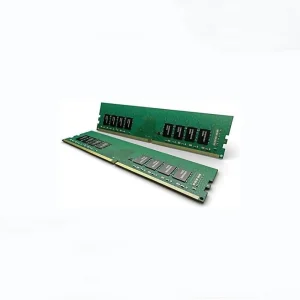
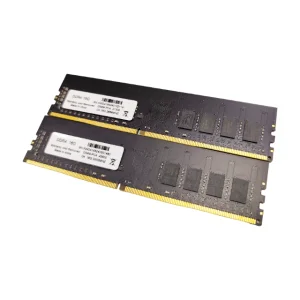
Despite the commercialization of DDR5 architecture, Double Data Rate 4 (DDR4) synchronous dynamic random-access memory (SDRAM) continues to serve as the bedrock of global IT infrastructure. Leveraging a mature fabrication baseline, lower capital expenditure requirements, and exceptional reliability, DDR4 modules remain indispensable. For enterprise system integrators, industrial control designers, and hyperscale data centers, DDR4 offers an optimal balance between cost efficiency and operational stability.
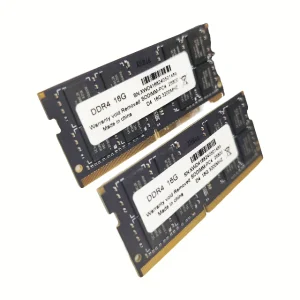
From a technical perspective, DDR4 operating at JEDEC-standard voltages (1.2V compared to DDR3's 1.5V) significantly minimizes power consumption while maintaining peak transfer speeds up to 3200 MT/s. With advancements in system density, multi-channel layouts, and Error-Correcting Code (ECC) capabilities, DDR4 handles high-concurrency database queries, virtualization layers, and telecom routing processes without the thermal overhead typical of early-generation DDR5 implementations.
B2B buyers, procurement executives, and system architects do not just buy hardware—they purchase guaranteed uptime and supply-chain predictability. Procurement demands are structured around three fundamental pillars:
Optimizing system configuration density while minimizing thermal output and power consumption. DDR4 allows organizations to maximize DRAM capacity within existing legacy structures without overhauling motherboards or CPUs.
Geopolitical shifts require OEM partners to maintain strong component-level buffers. Long-term forecasting requires manufacturers with stable silicon wafer allocations from top-tier foundries.
For aerospace, automotive, and medical fields, absolute adherence to regulatory standards (RoHS, REACH, CE, FCC) and zero-defect quality systems like ISO 9001 and IATF 16949 is non-negotiable.
Understanding these priorities helps procurement agents optimize system components for long-term viability. High-capacity 8GB, 16GB, and 32GB DDR4 modules with ECC are critical for enterprise-grade applications, particularly in fields prone to electrical interference, high thermal stress, and prolonged operation.
A high-performance memory module manufacturer leading the charge in enterprise-grade DRAM fabrication, optimization, and international supply chain delivery.
VoltDRAM Semiconductor Co., Ltd. is a professional DRAM memory manufacturer specializing in high-performance solutions for servers, industrial PCs (IPCs), personal computers, and mission-critical data center installations. Officially registered and operationalized between 2015–2018, VoltDRAM has scaled rapidly to become a key supplier in the global semiconductor memory sector.
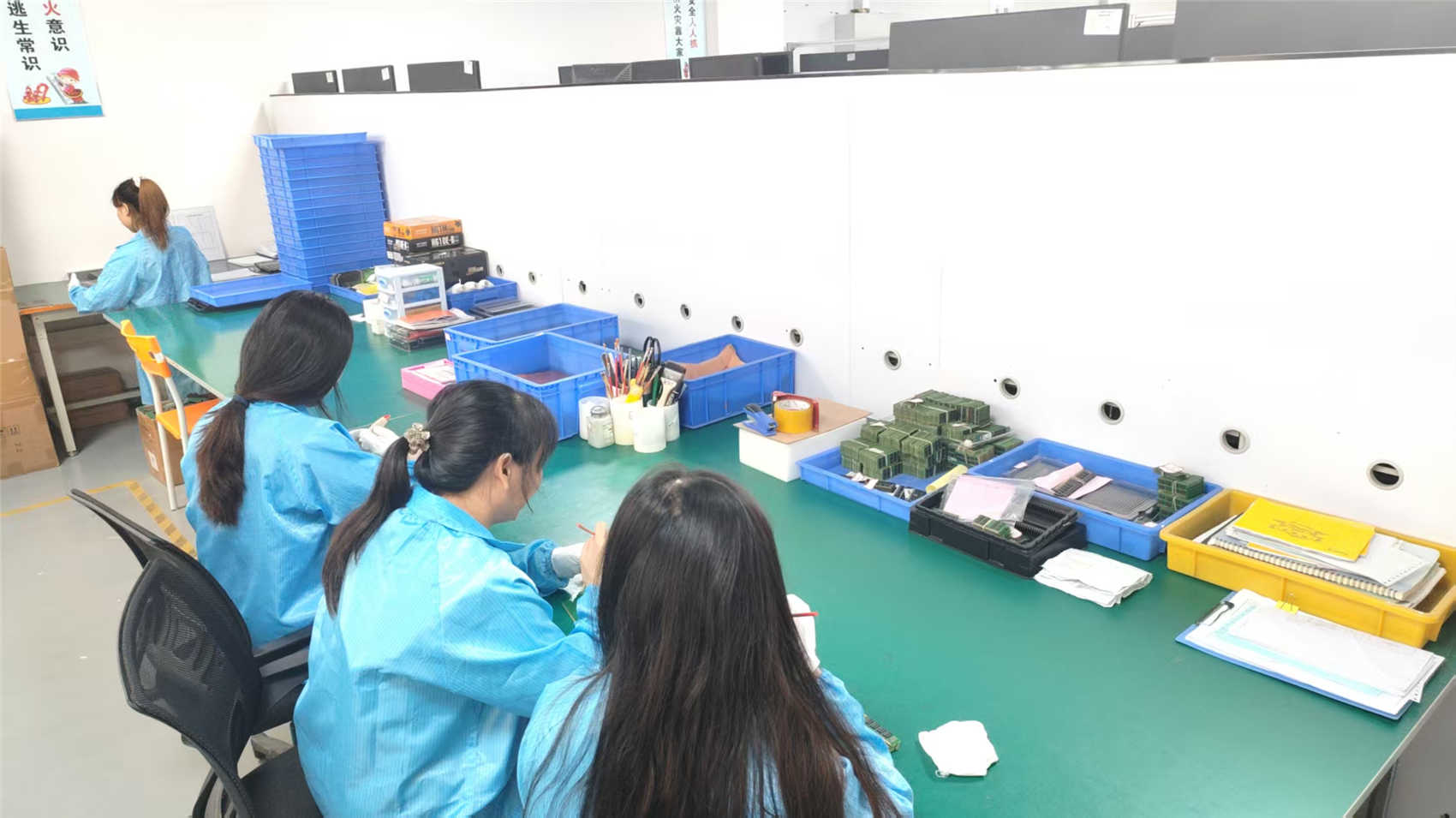
Operating a specialized manufacturing facility spanning approximately 320–480㎡, the company focuses on high-precision SMT (Surface Mount Technology) placement, multi-layer PCB design, and extensive testing pipelines. VoltDRAM generates an annual export revenue ranging between USD 8–18 million, backed by 6–9 years of export operations and 8–15 years of industry expertise in advanced semiconductor packaging, system integration, and frequency tuning.
Quality control is fundamental to VoltDRAM's operations. The facility deploys strict ISO-compliant Quality Management Systems. Their quality verification pipeline integrates Automated Optical Inspection (AOI), high-frequency electrical performance validation, thermal burn-in chambers, and mechanical stress screening. Supported by a dedicated quality assurance unit of 35–80 inspectors, VoltDRAM ensures every production batch conforms to strict international standards.
Through robust logistics networks, VoltDRAM services buyers in North America, Europe, Southeast Asia, and the Middle East. Maintaining long-term, stable relationships with 600–1,500 upstream supply chain partners, VoltDRAM ensures consistent access to premium silicon wafers, multi-layer PCBs, and advanced thermal management components.
VoltDRAM's engineering division, staffed by 60–300 skilled hardware engineers, introduces between 120–450 product variants annually. This capacity allows VoltDRAM to provide custom solutions, including OEM/ODM board redesigns, unique form factors, frequency profiles, heat-spreader options, and custom corporate branding.
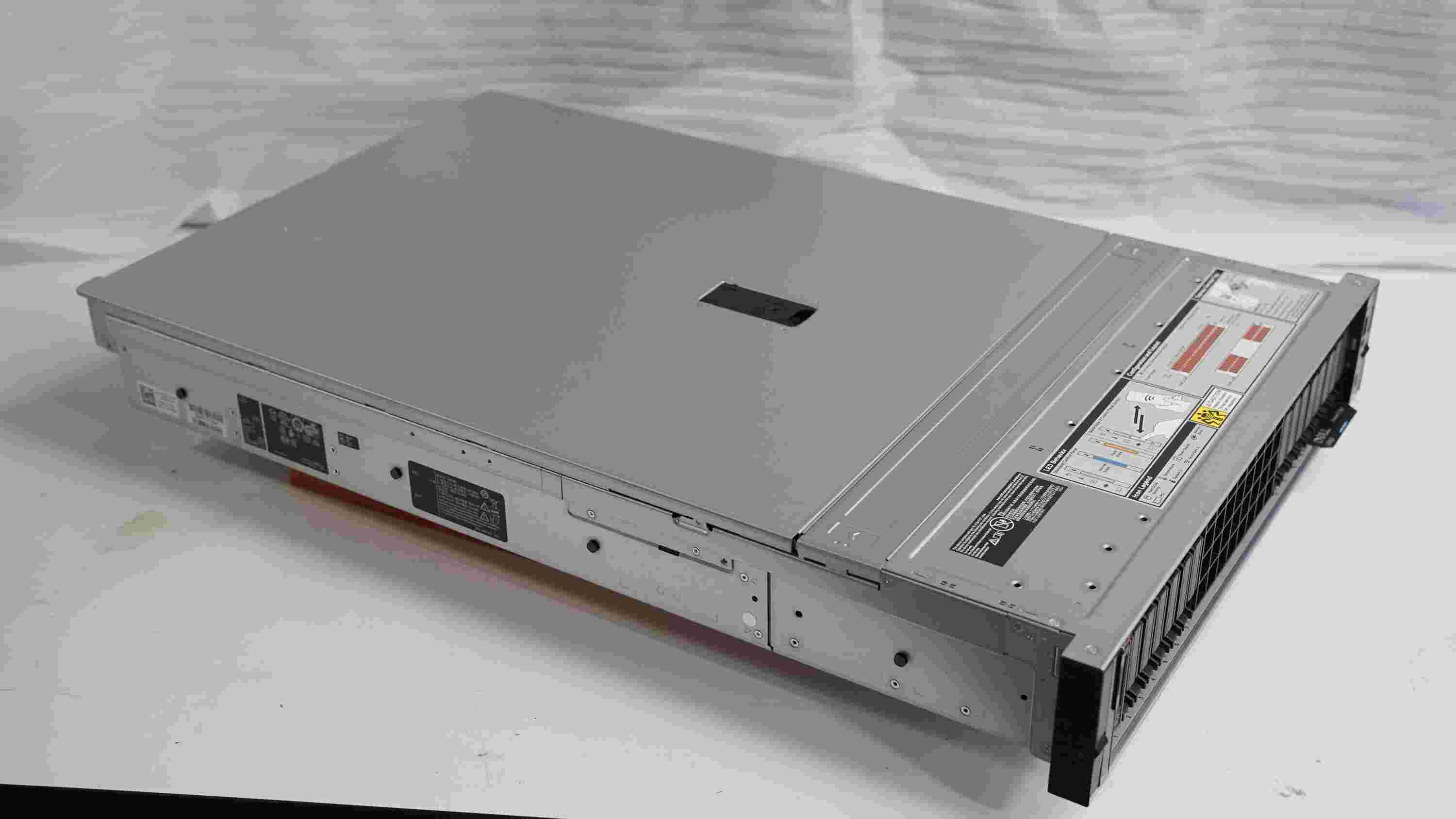
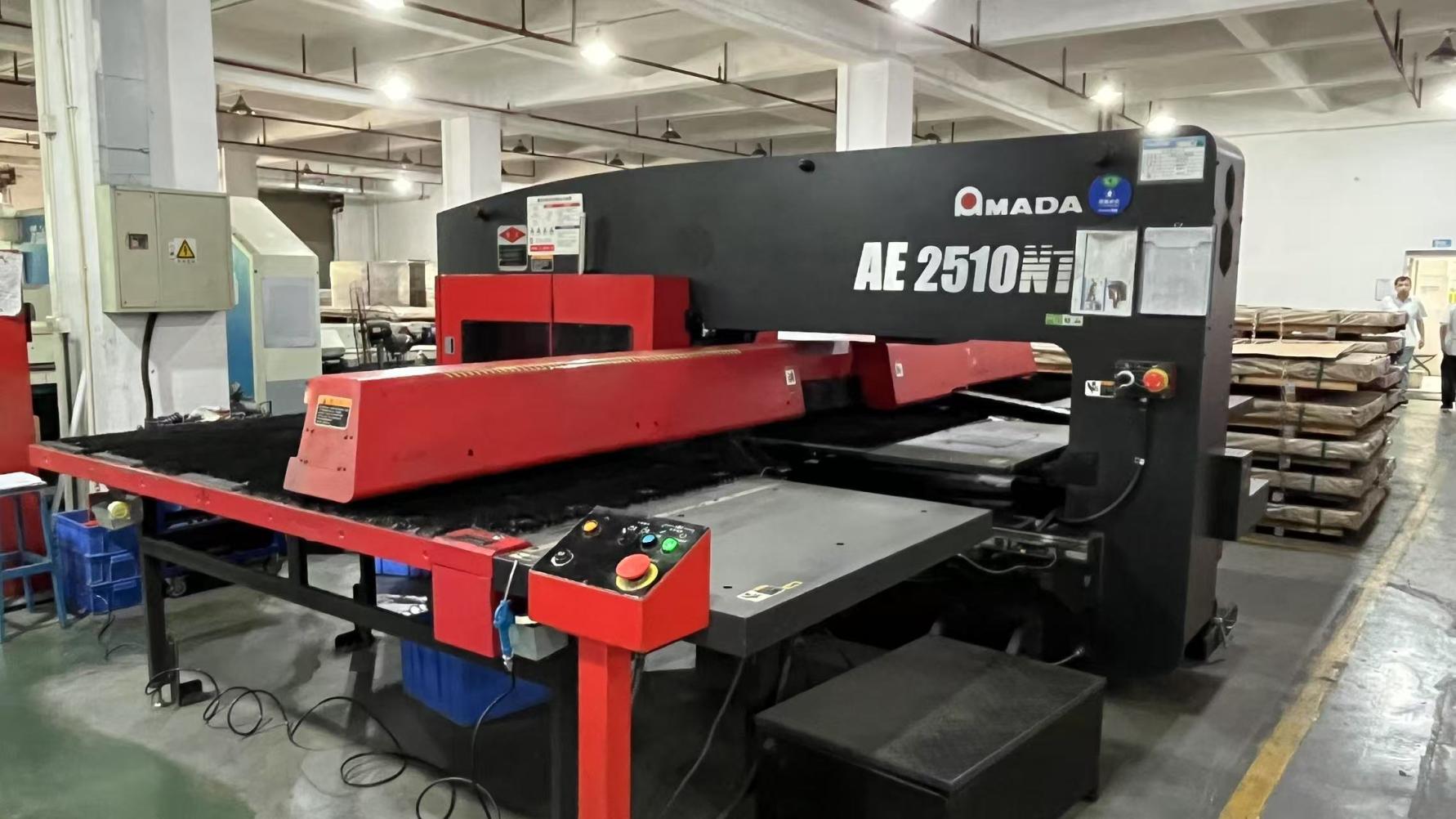
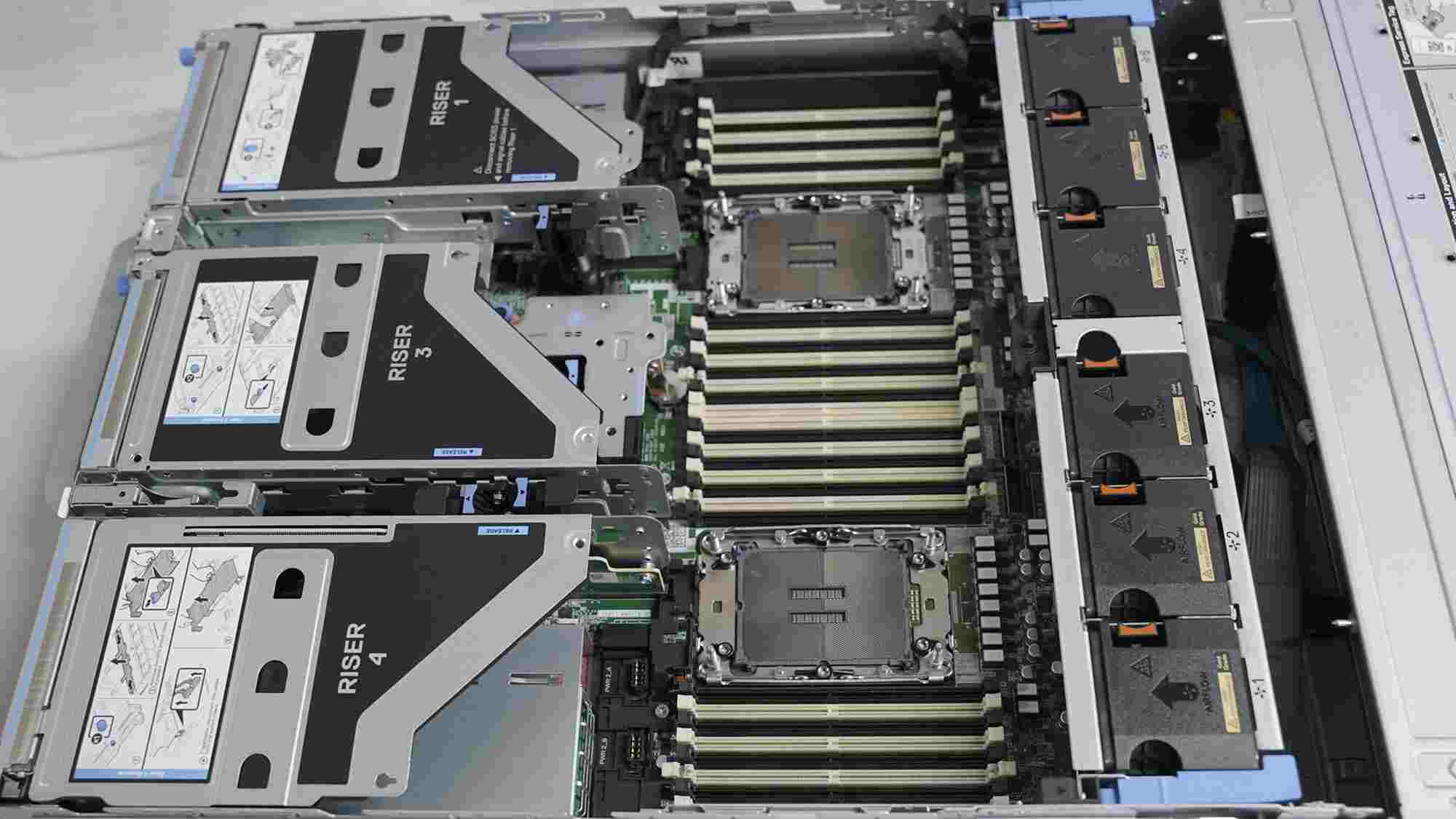
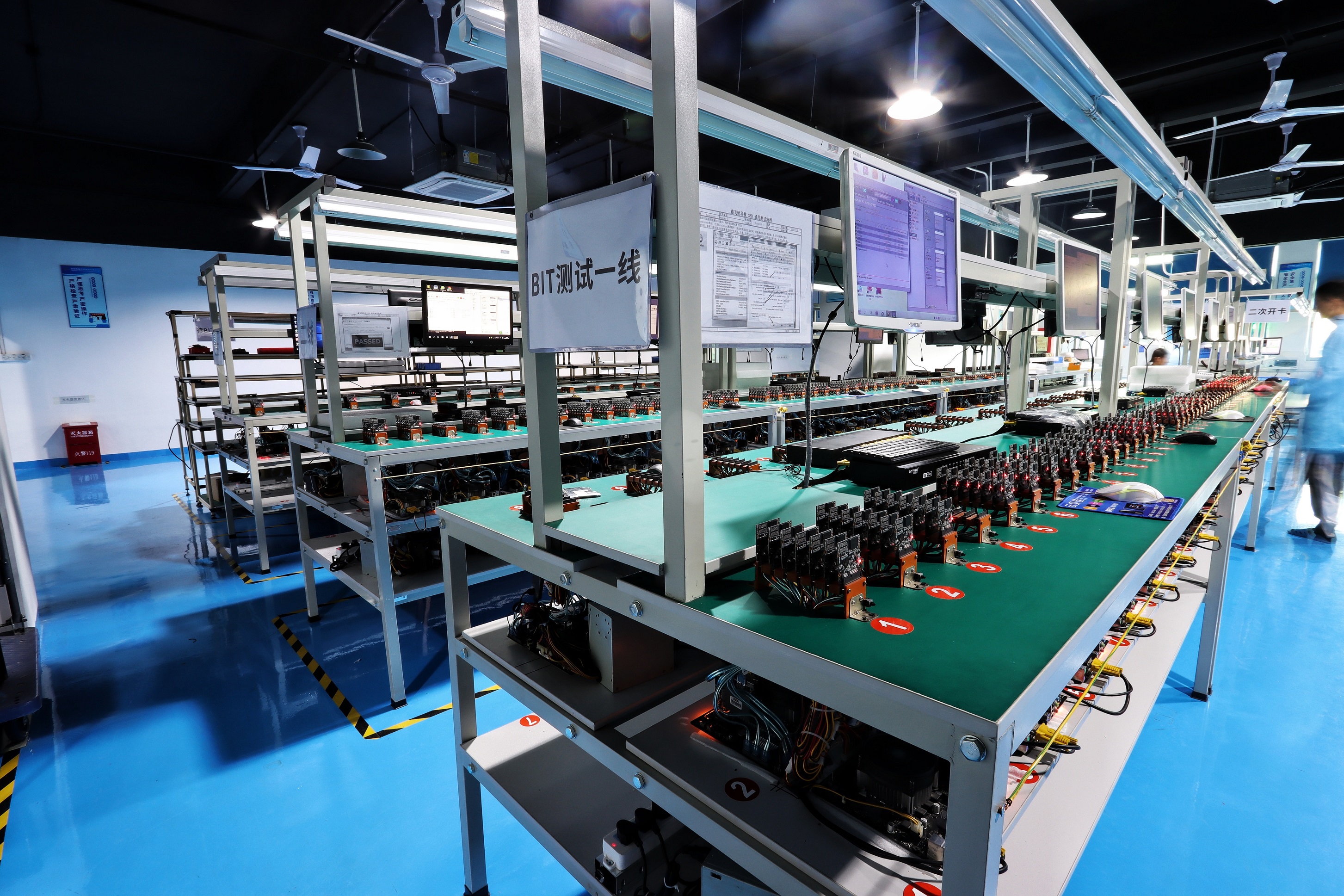
A comprehensive analysis of the leading manufacturers shaping the modern DRAM market, evaluated for engineering depth, supply capacity, and enterprise-grade reliability.
An agile, mid-sized powerhouse specializing in high-mix, low-to-medium volume custom memory modules, rigorous validation, and direct engineering access.
The world's largest semiconductor foundry, producing the base silicon wafers (B-Die, E-Die) that set global memory performance standards.
A premier South Korean chip maker, known for manufacturing high-stability DDR4 dies that power server platforms worldwide.
A leading American memory manufacturer. Under the Crucial brand, Micron supplies standard-setting enterprise DIMMs directly to systems integrators.
The largest independent memory packaging firm worldwide, sourcing dies from tier-one manufacturers to assemble custom modules.
A market leader in high-performance consumer hardware, serving professional workstations and rendering networks.
Renowned for sourcing top-bin silicon (like Samsung B-die) to engineer memory modules with optimized latency values.
A prominent supplier of rugged, embedded DRAM modules designed for automotive, military, and extreme-environment computing.
A major global manufacturer offering highly cost-competitive standard DDR4 configurations for desktop, laptop, and server systems.
An agile manufacturer with expanding capacity in industrial storage and high-speed memory modules, focused on performance and economy.
Reliable memory modules are essential across various modern industries. Hardware must be optimized for specific application requirements:
Manufacturing plants rely on industrial PCs (IPCs) to monitor real-time PLCs and automation processes. These environments are prone to high temperatures, vibration, and dust. Specialized DDR4 memory, featuring anti-sulfuration technology, conformal coatings, and ECC, prevents system halts that can disrupt automated assembly lines.
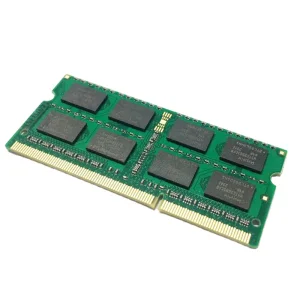
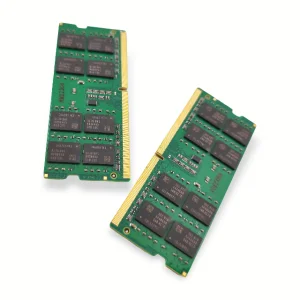
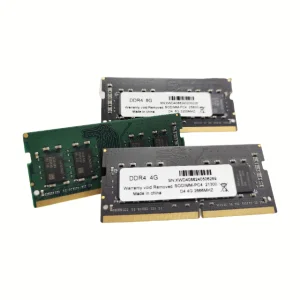
Edge processing nodes filter data locally before sending it to central cloud storage. These decentralized units need energy-efficient components with wide temperature tolerances. VoltDRAM's low-voltage 1.2V SO-DIMM DDR4 modules deliver the necessary efficiency for fanless outdoor housings and remote network gateways.
Systems like MRI, CT scanners, and real-time patient monitors require high memory bandwidth and low data latency. A single memory error can compromise critical scan details. Using error-correcting (ECC) DDR4 memory modules ensures system stability and data integrity for medical diagnostics.
Building a stable memory module requires precise electrical design. High-speed signals can be disrupted by noise and layout routing issues on the PCB. Engineering teams address these challenges through targeted design choices:
Standard consumer DDR4 modules typically use a 6-layer or 8-layer PCB. In contrast, enterprise-grade and industrial modules utilize an 8-layer to 10-layer design. These additional layers provide dedicated ground shielding to reduce electromagnetic interference (EMI) and crosstalk. Impedance match controls are kept within ±10% tolerances to minimize signal reflection across trace paths.
The manufacturing process starts with raw wafer dicing, followed by chip-level binning. Custom test equipment validates parameters like tRAS, tRP, and tRCD timings. Only chips that consistently pass these timing and voltage tests are selected for high-reliability enterprise modules.
Heat degrades silicon components over time. At high temperatures, DRAM cells lose charge faster, requiring more frequent refresh cycles (tREFI) which can impact performance. Selecting modules with copper-alloy heat spreaders and low-resistance thermal pads keeps operating temperatures within safe limits, extending the hardware's lifespan.
Exporting memory modules requires compliance with a range of international regulatory standards. These frameworks ensure environmental safety, electrical isolation, and safe handling at end-of-life:
These standards restrict hazardous substances in electrical equipment and manage chemical safety throughout production. Compliance is required for distribution in European Union markets.
These certifications verify that memory modules operate within safe electromagnetic limits, preventing interference with other equipment in dense server environments.
To manage logistics risks, modern memory suppliers utilize dual-sourcing for critical components like PCB substrates and capacitors. Keeping buffer stocks in key logistics hubs helps mitigate supply chain disruptions and ensures reliable delivery schedules for B2B buyers.
Expert insights on key procurement decisions, memory integration, and supply chain planning.
Error-Correcting Code (ECC) memory uses an extra DRAM chip to detect and correct single-bit memory errors. This makes it ideal for enterprise servers, financial systems, and medical diagnostics where uptime is critical. Non-ECC memory is better suited for consumer PCs and entry-level workstations where cost efficiency is a priority and minor errors won't disrupt critical operations.
While DDR5 offers higher speeds, DDR4 remains a practical choice for many applications. It is cost-effective, highly reliable, and compatible with a vast footprint of existing server and industrial hardware. For systems where stability and budget are key factors, DDR4 provides excellent performance without requiring a complete platform upgrade.
VoltDRAM uses a multi-stage quality assurance process. This starts with automated optical inspection (AOI) on the assembly line, followed by dedicated electrical testing to verify timing and signal integrity. Completed batches undergo environmental thermal testing to catch potential failures before shipping, with all operations managed under an ISO 9001 framework.
Industrial buyers can customize memory modules to match specific requirements. This includes custom PCB layout dimensions, conformal coatings for environmental protection, unique memory timings (SPD profiles), specialized heat spreaders, and custom branding.
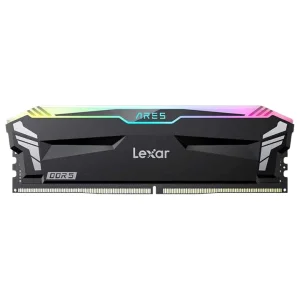
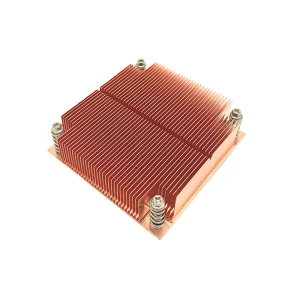
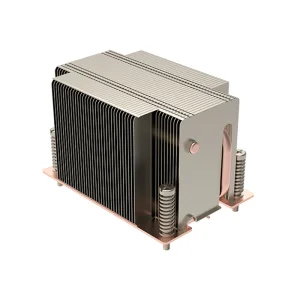
Thermal design directly impacts how efficiently heat is drawn away from DRAM chips. Standard designs rely on ambient airflow, while high-performance modules use aluminum or copper-alloy heat spreaders. These heat spreaders increase the cooling surface area, helping keep temperatures low during heavy processing workloads.
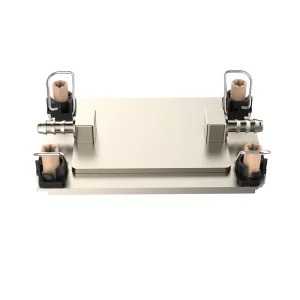
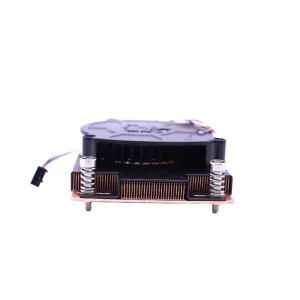
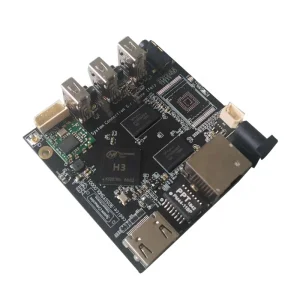
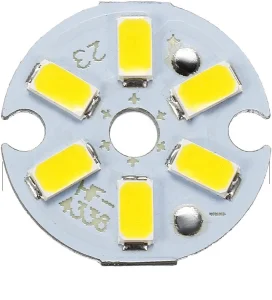
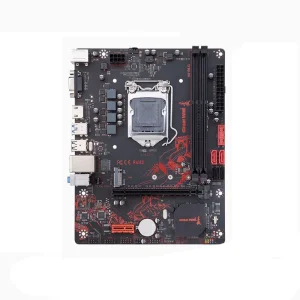
Complete your hardware setup with high-frequency cooling blocks, servers, and motherboards designed for reliable, long-term operation.