VoltDRAM
VoltDRAM
VoltDRAM
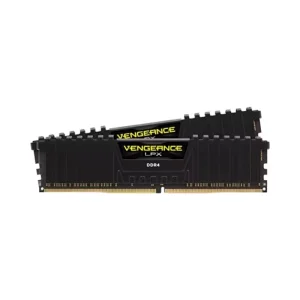
Explore our flagship memory modules, high-frequency PCBs, and advanced thermal management solutions treated with protective engineering.
An authoritative analysis of surface modification engineering and its critical role in contemporary hardware performance and survivability.
In the rapidly accelerating landscape of high-performance computing, the physical limitations of semiconductor materials and assembly boards have become the primary bottleneck for system reliability. As hardware architectures shrink, components like DDR5 memory modules and high-density, multi-layer PCBs operate under unprecedented electrical and thermal stress. Herein lies the disruptive impact of Nano Coating Technology. By modifying substrates at the atomic or molecular scale, nano-coatings present a comprehensive engineering solution to environmental degradation, thermal accumulation, and signal attenuation.
Modern industrial electronics are frequently deployed in harsh, unregulated environments. From municipal edge computing modules exposed to diurnal temperature swings and condensation, to offshore telecommunications arrays facing saline mist, standard conformal coatings (such as acrylics, silicones, and polyurethanes) are no longer sufficient. Conventional coatings are thick (typically 25 to 125 microns), which traps heat, alters signal impedance, and adds significant physical weight. In contrast, nanostructured protective films are applied at thicknesses ranging from 50 nanometers to 2 microns. These ultra-thin barriers leverage hydrophobic and oleophobic structures to achieve a high water contact angle (frequently exceeding 110 degrees), successfully repelling liquid moisture, corrosive chemicals, and conductive particulates without interfering with thermal dissipation or high-frequency RF transmission.
Unlike thick, high-loss conformal coatings, nanoscale deposition maintains a low dielectric constant. This prevents signal distortion in high-frequency applications like Rogers 4000 and Shengyi FR4 PCBs operating above 10 GHz.
Nano-coatings exhibit minimal thermal resistance due to their sub-micron thickness. They facilitate radiative cooling on heatsinks and heat pipes, preventing thermal throttling in high-draw server environments.
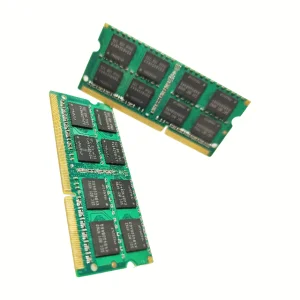
By blocking moisture absorption at the PCB trace level, nano coatings eliminate dendritic growth and electrochemical migration (ECM), the leading causes of short circuits in high-density SMT assemblies.
How VoltDRAM Semiconductor integrates molecular shielding to elevate reliability in server RAM and advanced PCBA systems.
As a leading pioneer in DRAM memory manufacturing, VoltDRAM Semiconductor Co., Ltd. recognizes that memory reliability extends far beyond silicon yield and timing profiles. Industrial servers, defense systems, and high-availability enterprise environments require components that can survive physical stress, moisture, and chemical corrosion. By introducing specialized OEM/ODM Nano Coating solutions across our entire SMT line, VoltDRAM provides high-performance computing hardware with built-in environmental resilience.
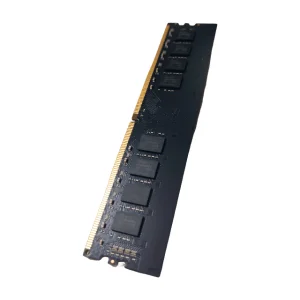
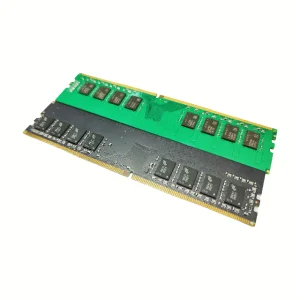
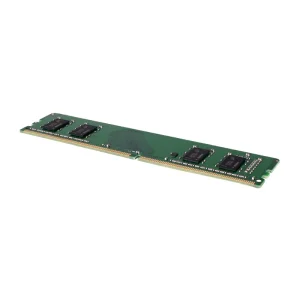
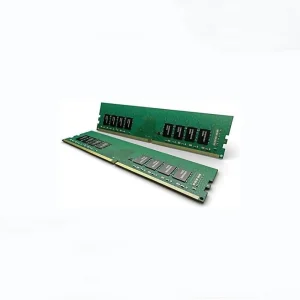
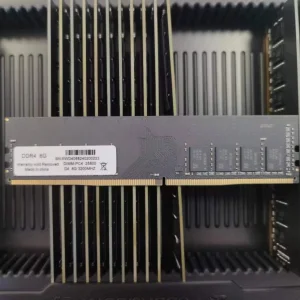
The application of nano-protection is highly complex and must be tightly integrated with the PCB assembly process. When manufacturing DDR5 and DDR4 modules, we apply molecular vapor deposition (MVD) immediately after the reflow soldering stage and automated optical inspection (AOI). The coating creates a uniform, conformal barrier that covers all micro-components—including the DRAM chips, registers, power management ICs (PMIC), and passive resistors. This ensures that the high-speed data paths, which operate at frequencies up to 5600MHz and beyond, are shielded from microscopic water droplets and sulfurization, a common failure mode in heavy industrial zones.
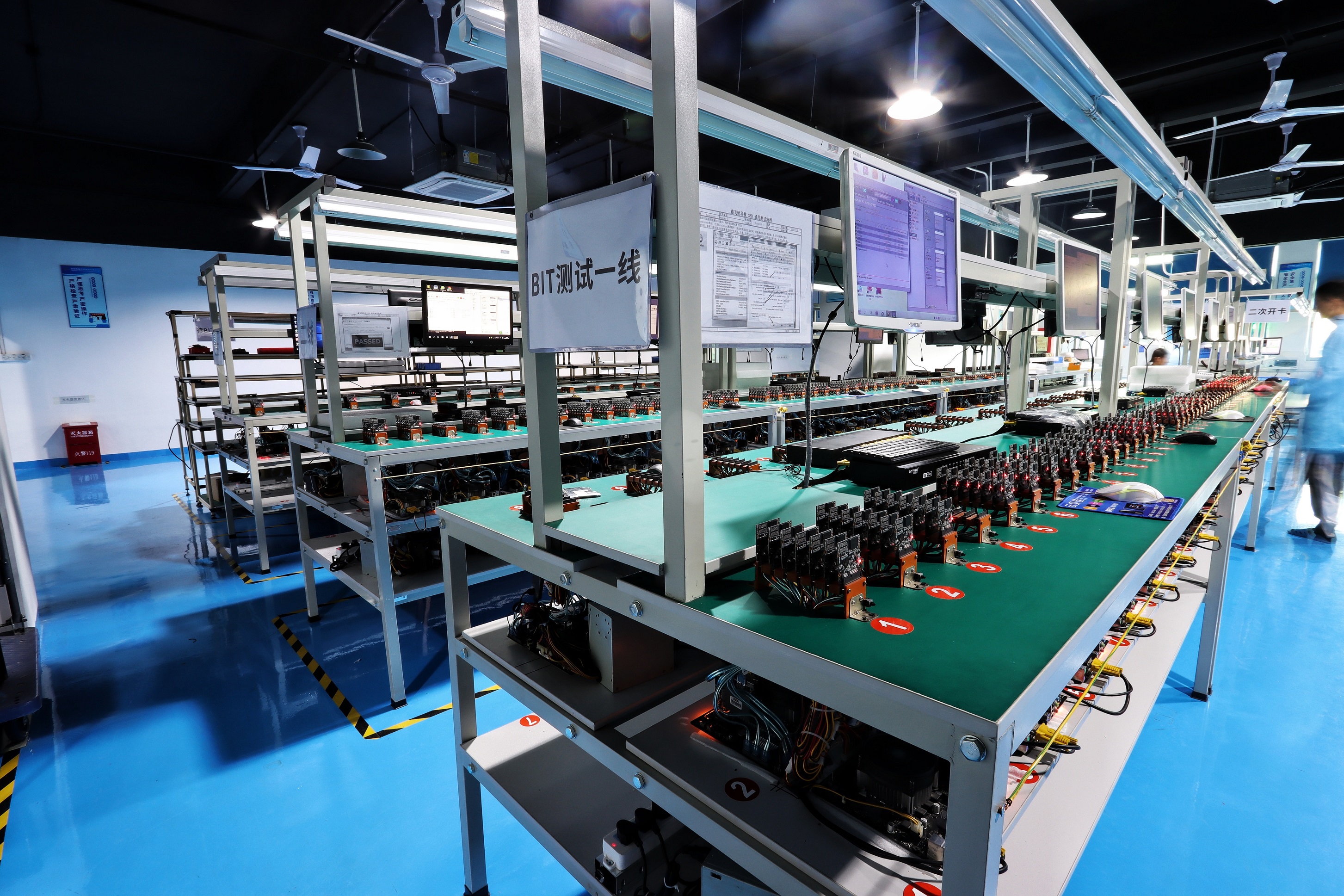
Our facility's clean room space of 320–480㎡ operates under strict particulate and environmental control, maintaining the precise temperature and humidity levels required for high-yield nano-deposition. This environmental control is crucial: even microscopic airborne dust during the coating process can compromise the integrity of the hydrophobic film, leading to localized pinholes and subsequent component failures. By maintaining an ISO-aligned quality management framework, VoltDRAM guarantees zero-defect manufacturing for our OEM/ODM partners worldwide.
Unlocking cost efficiencies, rapid scale-up capability, and state-of-the-art technological iteration through VoltDRAM's industrial footprint.
The global semiconductor and electronic assembly supply chains are highly sensitive to lead times, component availability, and manufacturing costs. Establishing a production base within China's advanced industrial zones allows VoltDRAM Semiconductor to leverage a highly integrated local supply chain. From substrate sourcing (high-TG FR4, Shengyi, Rogers) to advanced SMT pick-and-place equipment, our facility coordinates local raw material availability with automated production processes, allowing us to offer shorter lead times and more competitive pricing than manufacturers in other regions.
This localized efficiency is supported by our 6–9 years of export experience and 8–15 years of industry expertise in semiconductor memory development. We have optimized our logistics, customs, and global distribution operations to ensure that custom OEM/ODM orders reach clients in North America, Europe, Southeast Asia, and the Middle East with minimal friction. By working with over 600–1,500 supply chain partners, we can source specialty materials—including proprietary fluoropolymer nano-coatings and high-frequency substrates—at short notice, keeping our manufacturing lines running efficiently even during global supply shortages.
Our factory's efficiency is demonstrated by our ability to launch approximately 120–450 new product variants annually. This rapid product iteration is managed by our R&D team of 60–300 experienced engineers. They work closely with clients to customize PCB layout, memory frequency, heatsink profiles, and chemical coating properties to match specific project requirements. The result is a highly responsive manufacturing service that balances high volume, high precision, and competitive pricing.
Real-world scenarios where advanced nano-protection ensures operational continuity for enterprise infrastructure.
Modern data centers utilize free-air cooling to reduce energy costs, introducing ambient humidity, pollutants, and corrosive gases. Applying nano-coatings to DDR5 and DDR4 server RAM prevents moisture condensation and silver corrosion on contact fingers, ensuring stable uptimes and lower cooling costs.
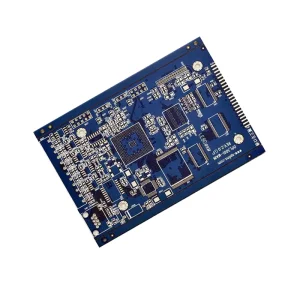
In manufacturing environments, control systems are exposed to cutting fluids, conductive dust, and vibration. Our SMT PCBA assembly processes include optional hydrophobic and shock-absorbent nano-layers. This protects PLCs and power distribution boards from failures caused by airborne contaminants.
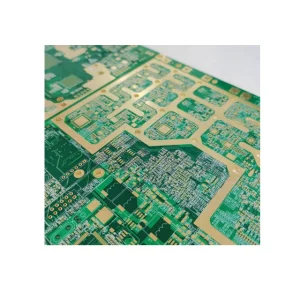
High-frequency communication hardware is deployed outdoors under varying weather conditions. Using high-frequency Rogers 4000 and Shengyi FR4 PCBs with hydrophobic nano-coatings prevents rain or dew from altering the dielectric constant, maintaining signal integrity and transmission efficiency.
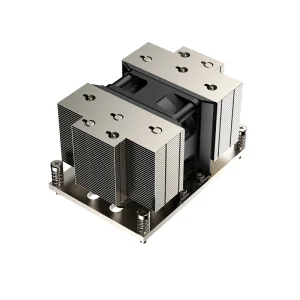
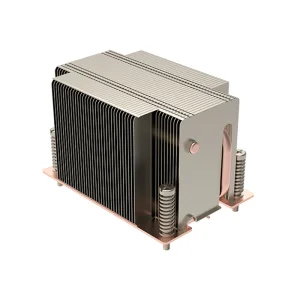
Furthermore, thermal management in these setups is improved by combining surface coatings with our custom U Server AM5 Heat Sinks and LGA4677 CPU Coolers. Applying thin thermal-radiative nano-coatings directly to aluminum and copper cooling fins increases surface emissivity. This boosts heat dissipation efficiency by up to 12% without increasing the physical size of the heatsink, allowing data centers to run high-performance processors at lower temperatures and with higher stability.
An objective guide for supply chain managers to assess material quality, environmental compliance, and long-term durability.
For B2B procurement managers and system integrators, selecting a nano-coated hardware partner requires evaluating specific material metrics. Conformal coatings cannot be evaluated by thickness alone; performance depends on chemical composition, adhesion strength, and environmental compatibility. When reviewing procurement options, technical buyers should focus on the following key metrics:
VoltDRAM Semiconductor integrates these specifications into our production line testing. Every batch of nano-coated memory modules and PCBs undergoes automated optical inspection (AOI), electrical testing, and environmental stress profiling. This testing ensures that our products maintain stable performance across varying operational conditions, providing reliable hardware solutions for global enterprises.
Technical answers to common questions about nano-protection, PCB manufacturing, and DRAM module performance.
Browse our selection of high-durability memory modules, custom PCBA assemblies, and specialized boards designed for industrial operations.
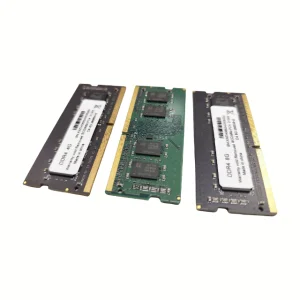
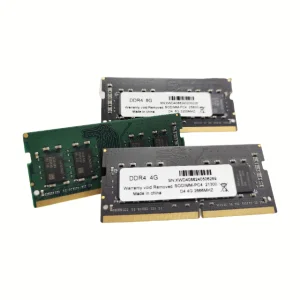
A global supplier of high-reliability memory modules and advanced SMT engineering services.
VoltDRAM Semiconductor Co., Ltd. is a professional DDR5 memory manufacturer specializing in high-performance DRAM solutions for servers, PCs, and data center applications. Established and registered between 2015–2018, the company has grown into a reliable global supplier in the memory industry.
Our manufacturing facility covers an area of approximately 320–480㎡ and is equipped with advanced production and testing lines. We generate an annual export revenue of around USD 8–18 million, backed by 6–9 years of export experience and 8–15 years of industry expertise in semiconductor memory development and manufacturing.
Quality is at the core of VoltDRAM. We implement strict ISO-based quality management systems, combining automated optical inspection (AOI), electrical performance testing, burn-in testing, and reliability stress testing to ensure stable product performance. Our quality control team consists of 35–80 experienced inspectors, ensuring every batch meets international standards.
With a strong international trade background, VoltDRAM mainly serves markets in North America, Europe, Southeast Asia, and the Middle East. We maintain long-term cooperation with over 600–1,500 supply chain partners, supporting a stable and efficient production ecosystem.
Our customers include OEM/ODM brands, system integrators, data center operators, and industrial computer manufacturers. We have strong R&D capabilities focused on high-speed DDR5 architecture optimization, signal integrity improvement, and power efficiency design. We also provide full customization options, including PCB design, memory capacity configuration, frequency tuning, and branding solutions.
Each year, we launch approximately 120–450 new product variants, supported by a dedicated R&D team of 60–300 engineers. Our innovation-driven approach allows us to continuously deliver competitive and high-performance memory solutions to global customers.
VoltDRAM is committed to becoming a trusted global partner in the DDR5 memory industry, delivering stable, fast, and efficient memory products for the next generation of computing systems.