VoltDRAM
VoltDRAM
VoltDRAM
Leading hardware assemblies and high-speed modules optimized with RF-grade PCB substrates to withstand rigorous operational stresses across Australian mining, telecommunication, and enterprise networks.
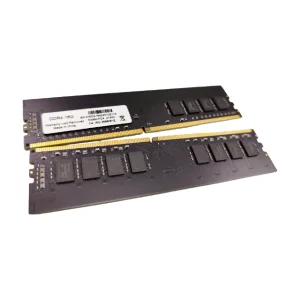
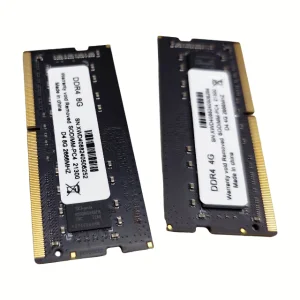
Australia's industrial electronics sector is undergoing a rapid evolution. Driven by the sovereign capabilities expansion in defense, national security communications, aerospace telemetry, and advanced robotic mining (such as autonomous machinery in Western Australia's Pilbara region), the demand for high-reliability, low-loss RF and microwave printed circuit boards has soared.
Standard FR-4 fiberglass substrates suffer from excessive signal degradation, unstable dielectric constant (Dk) performance under high-frequency operation, and poor heat dissipation. This makes them unsuitable for Australia's rigorous multi-gigahertz operations.
As a premier partner supplying high-frequency hardware systems to Oceania, we incorporate raw materials from Rogers Corporation (such as Rogers RT/duroid®, RO4000®, and RO3000® series) into complex motherboards and high-speed DRAM modules. This ensures maximum signal integrity, minimal dissipation factors (Df), and excellent thermal management under severe outback environments.
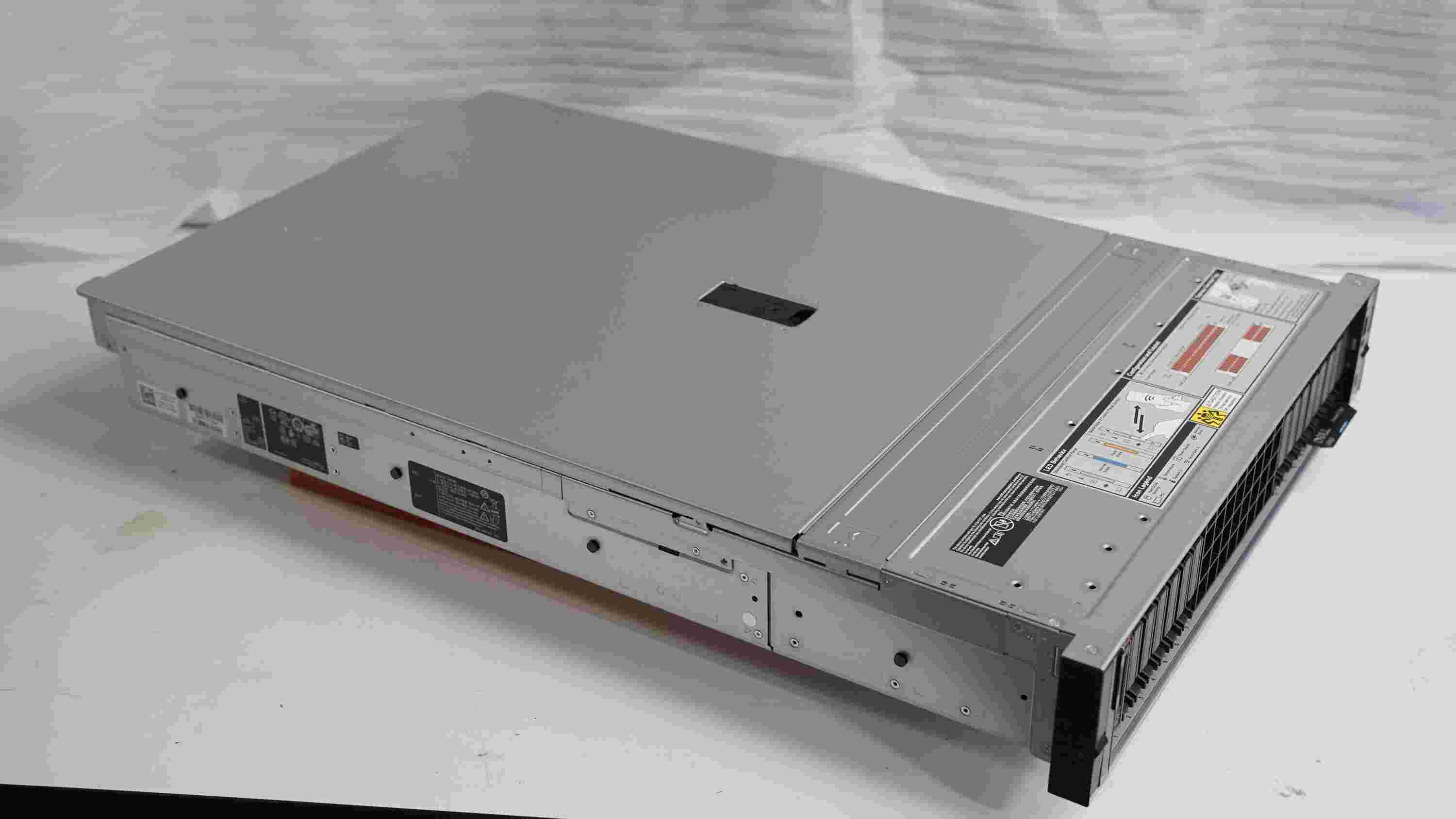
RF engineers and procurement teams across Sydney, Melbourne, and Brisbane require precise material statistics to design noise-free high-speed digital motherboards and DDR5 routing networks.
| Material Spec / Metric | Rogers RO4350B | Rogers RO4003C | Rogers RT/duroid 5880 | Standard FR-4 |
|---|---|---|---|---|
| Dielectric Constant (Dk @10GHz) | 3.48 ± 0.05 | 3.38 ± 0.05 | 2.20 ± 0.02 | 4.2 - 4.8 (Highly variable) |
| Dissipation Factor (Df @10GHz) | 0.0037 | 0.0027 | 0.0009 | 0.015 - 0.020 (High Loss) |
| Thermal Conductivity (W/m/K) | 0.69 | 0.71 | 0.20 | 0.25 - 0.40 |
| Moisture Absorption (%) | 0.06 | 0.06 | 0.02 | 0.15 - 0.80 |
| Primary Application Area | 5G Antennas, Server Backplanes | LNA, RF Power Amplifiers | Spaceborne Radar, UAV Systems | Standard Consumer Electronics |
VoltDRAM combines RF substrate routing expertise with advanced SMT assembly lines, satisfying the most challenging electronic architecture requirements.
We offer tight tolerance control on trace impedance (±5%) for high-speed differential signal lanes in memory modules and multi-layer motherboards using Rogers ceramic-filled PTFE materials.
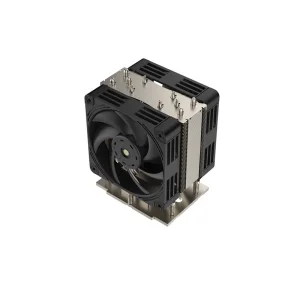
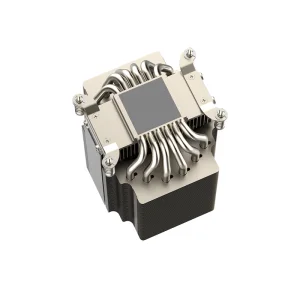
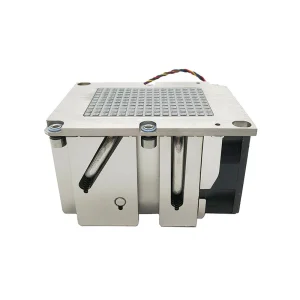
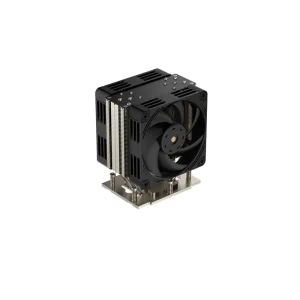
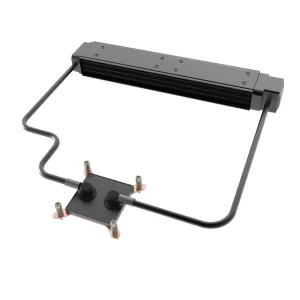
High-performance computational modules require active air and liquid-cooled CPU heatsinks. Our integrated approach ensures thermal expansion coefficients (CTE) remain balanced between the high-temp PCB laminates and computing silicon.
All boards undergo strict Automated Optical Inspection (AOI), high-voltage flying probe testing, thermal cycling chambers, and structural impedance coupons matching ACMA (C-Tick/RCM) directives.
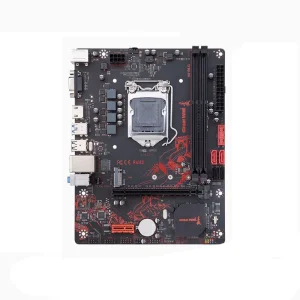
Highly integrated core logic arrays and computational development kits engineered to interface seamlessly with advanced high-frequency telecommunications architectures.
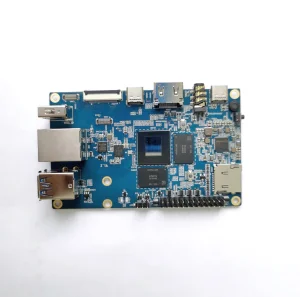
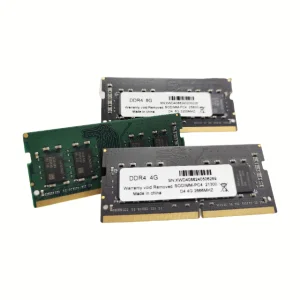
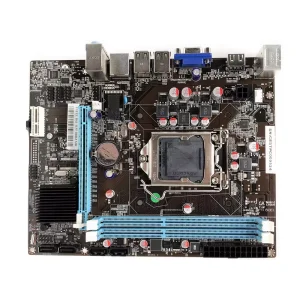

Supply chain resilience has shifted from a secondary logistics metric to a primary operational security imperative. Australian OEMs, data center architects, and telecommunications infrastructure companies face persistent challenges with international shipping delays, component obsolescence, and semiconductor volatility.
By consolidating high-speed motherboard layouts, advanced high-frequency Rogers laminates, and performance DRAM modules under our unified fabrication network, we optimize the complete Bill of Materials (BOM). This direct integration minimizes multi-tiered supplier delays and ensures strict quality tracing.
VoltDRAM Semiconductor Co., Ltd. is a professional DDR5 memory manufacturer specializing in high-performance DRAM solutions for servers, PCs, and data center applications. The company was registered between 2015–2018 and has rapidly developed into a reliable global supplier in the memory industry.
Quality is at the core of VoltDRAM. We implement strict ISO-based quality management systems, combined with automated optical inspection (AOI), electrical performance testing, burn-in testing, and reliability stress testing to ensure stable product performance. Our quality control team consists of 35–80 experienced inspectors, ensuring every batch meets international standards.
With a strong international trade background, VoltDRAM mainly serves markets in North America, Europe, Southeast Asia, and the Middle East. We maintain long-term cooperation with over 600–1,500 supply chain partners, supporting a stable and efficient production ecosystem.
*VoltDRAM maintains a strong technical background with 8–15 years of industry expertise in semiconductor memory development, high-speed routing engineering, and RF PCB optimization.
As data rates transition from DDR4 to DDR5, and cellular networks adapt to high-band millimeter-wave (mmWave) 5G/6G, standard PCB trace parameters become highly critical.
When layout designers operate at frequencies exceeding 28GHz (standard for the next phase of Australian mmWave deployments), the copper surface roughness of the PCB laminate dictates the attenuation properties. Roger’s proprietary ED (Electrodeposited) and RTF (Reverse Treated Foil) copper clad profiles minimize skin effect losses.
VoltDRAM’s engineers co-design motherboard routing, utilizing hybrid stackups where Rogers RO4350B is laminated to low-cost FR-4 cores. This configuration routes critical 10GHz+ RF transceiver signals on the upper Rogers layers, and routes lower-speed power grids and auxiliary logic lines on internal FR-4 layers.
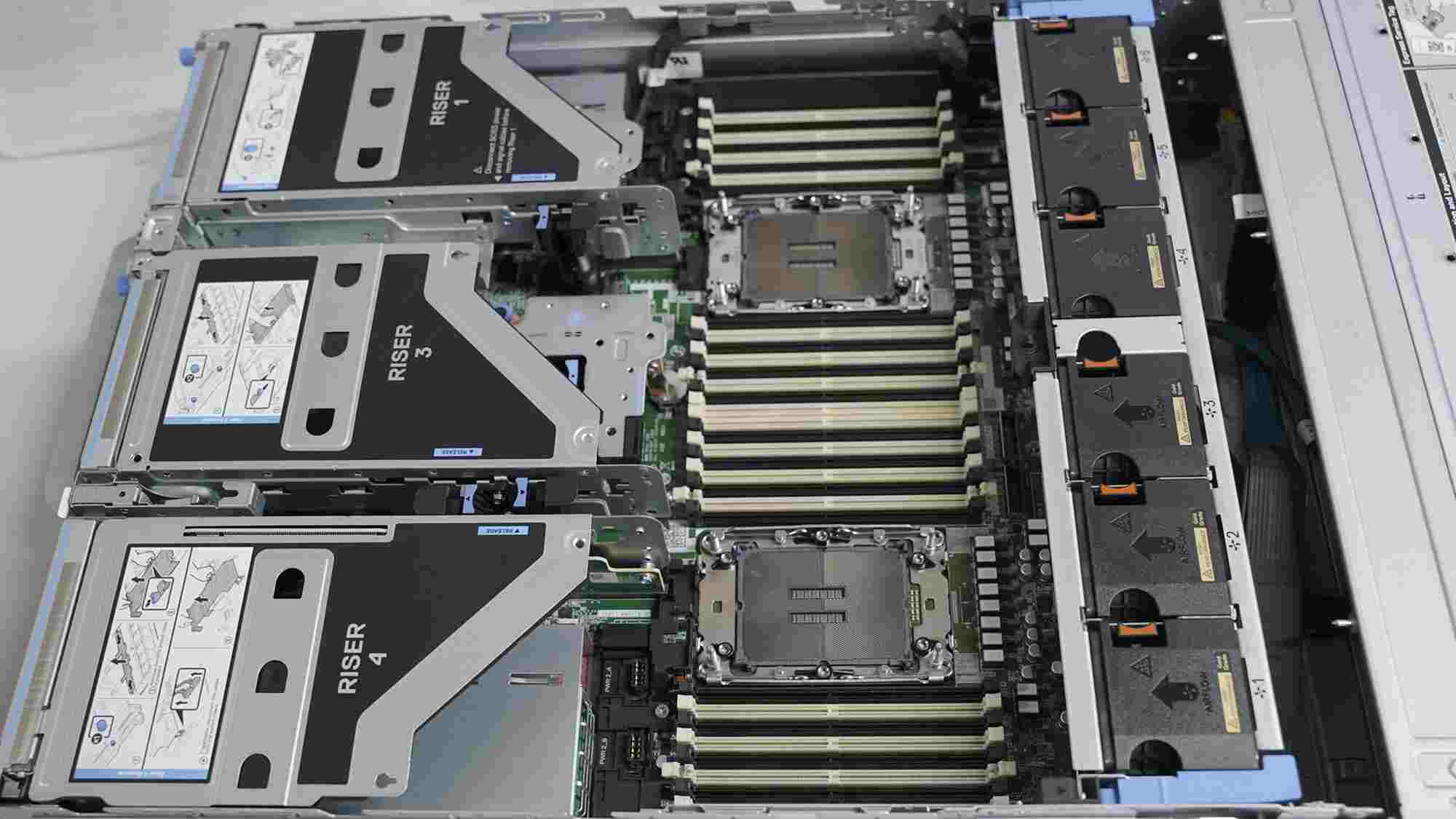
With modern high-wattage computing cores (such as AMD SP5, Intel LGA4677/3647 sockets) running adjacent to dense high-frequency DRAM arrays, local board thermal loads can easily exceed 85°C. Selecting substrates with low CTE (Coefficient of Thermal Expansion) prevents trace separation, pad delamination, and micro-via cracks during constant start-stop thermal cycles common in regional Australian industrial sites.
Importing critical components into Australia requires rigorous compliance with safety, electrical, and defense frameworks. Here is how we guarantee standard conformity:
We design all systems to meet the Electro-Magnetic Compatibility (EMC) standards defined by the Australian Communications and Media Authority (ACMA), preventing localized device interference.
Our manufacturing pipeline is optimized under ISO-based guidelines. From initial automated paste printing to dual-sided reflow and X-ray Inspection (AXI), every board step is documented.
We supply lead-free, halogen-free, and REACH-compliant assemblies designed to align with corporate environmental mandates active across Australian territory.
Get professional, direct answers about Rogers PCBs, performance DRAM, and local custom engineering integrations for Australian industries.
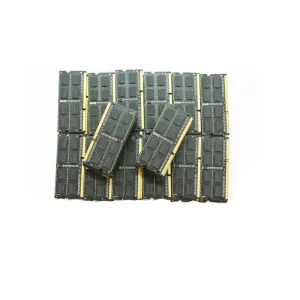
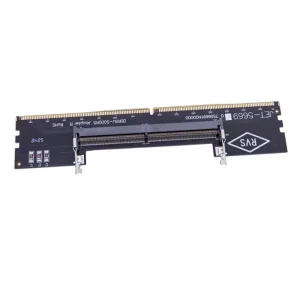
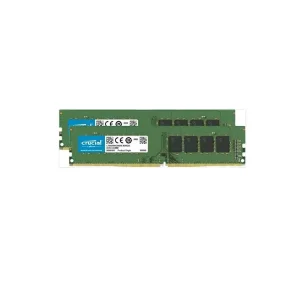
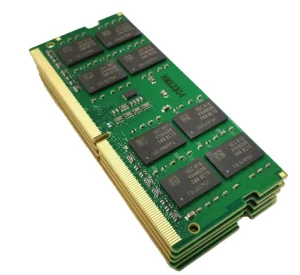
Explore our full line-up of computing components, core system motherboards, memory adapters, and heavy-duty active cooling components serving industrial systems throughout Australia.
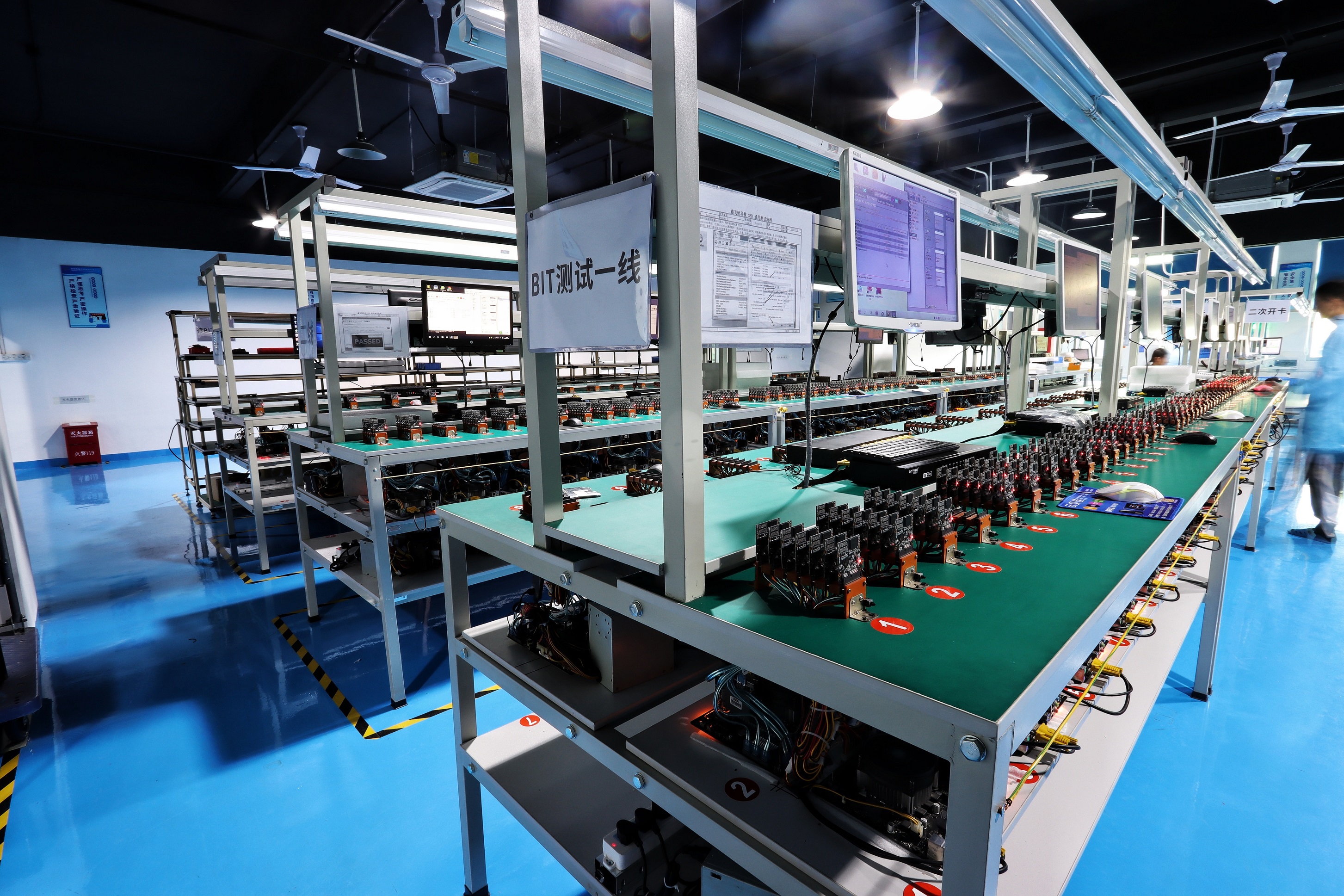
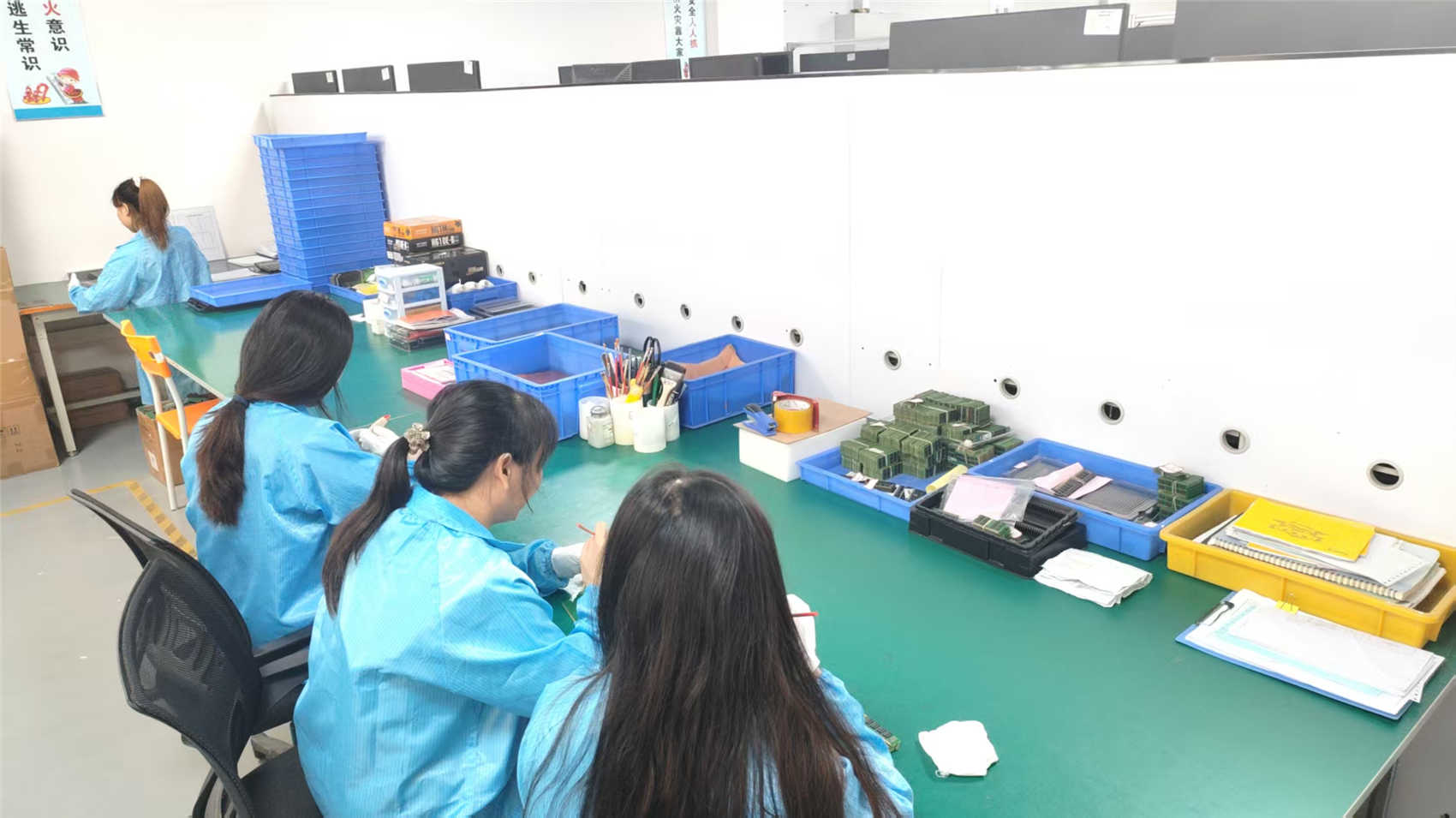
Transparency and verification are fundamental to E-E-A-T guidelines. Here is an inside look at our facilities, cleanrooms, and testing bays.
Get in touch with VoltDRAM's engineering team today. We provide full Gerber layouts, layer stackup advice, Rogers material selection recommendations, and complete production quotes tailored for your projects in Australia.
Send Inquiry Now