VoltDRAM
VoltDRAM
VoltDRAM
In the era of hyper-scale cloud computing, artificial intelligence workload spikes, and decentralized edge environments, storage media has evolved from a basic passive repository to an active, workload-optimized computing component. Solid-state drive (SSD) technology constitutes the fundamental building block of latency-sensitive systems. For system integrators, server builders, and industrial OEM clients, procuring commodity off-the-shelf storage components no longer guarantees the required hardware-level durability, customized write amplification, or specific compliance and security layers needed in strict enterprise architectures.
VoltDRAM Semiconductor Co., Ltd., a professional DDR5 memory and custom solid-state component manufacturer, stands at the intersection of architectural engineering and scalable SMT fabrication. By optimizing signal integrity, dynamic data routing protocols, and proprietary heat dissipation, VoltDRAM provides the international enterprise sector with a comprehensive blueprint for customized, highly reliable NAND flash systems engineered for sustained high-performance operations.
Understanding controller mechanics, flash cell durability, and next-generation interface standards is critical for long-term computing procurement.
The progression from PCIe 3.0 to PCIe 4.0, and now PCIe 5.0, has effectively doubled data transfer rates with every generation. While PCIe 4.0 provides a maximum bandwidth of 16 GT/s (approx. 8,000 MB/s for an x4 link), PCIe 5.0 increases this to 32 GT/s, achieving throughput values of up to 14,000 MB/s. VoltDRAM’s research pathways focus on minimizing signal degradation across high-frequency copper traces, adapting impedance-matching controls, and designing specialized enterprise controllers that exploit the full parallelism of multicore processors.
Selecting the right flash storage configuration—TLC (Triple-Level Cell) versus QLC (Quad-Level Cell)—is a critical decision for procurement. TLC remains the industry standard for high-performance and enterprise-level writes, offering around 3,000 Program/Erase (P/E) cycles. QLC increases raw density by 33% by storing 4 bits per cell, yet experiences lower write endurance (~1,000 P/E cycles). Dynamic algorithms engineered by VoltDRAM optimize write profiles, distributing wearing patterns evenly across the physical silicon nodes.
The convergence of volatile DRAM memory and non-volatile storage is materializing through the CXL protocol. As memory architectures scale to support large language models (LLMs) and dense transactional databases, CXL allows servers to access SSD storage pools as extensions of host system memory. VoltDRAM’s core expertise in DDR5 memory systems (running at speeds up to 6000MHz) directly feeds into this integration, ensuring cache-coherent operations across unified computing topologies.
Transitioning enterprise legacy configurations from 2.5-inch U.2 formats to EDSFF (E1.S, E3.S) layouts. This optimization improves rack airflow mechanics, thermal dissipation, and packing density within standard 1U/2U server platforms.
Implementing PAM4 signaling interfaces to double line transmission speeds. Ongoing investigations into PLC (Penta-Level Cell) flash structures coupled with advanced, hardware-embedded ECC engines (LDPC) to protect data integrity at high bit densities.
Integrating micro-accelerator arrays within the flash storage controller itself. This allows for initial data sorting, filtering, and simple machine learning inferences to execute locally inside the SSD module, minimizing latency across the system bus.
Industrial computing parameters vary greatly across sectors. An SSD deployed in a high-frequency trading server faces dramatically different performance demands and environmental conditions than one integrated into an autonomous railway system or an outdoor edge-computing node. VoltDRAM develops customized architectural storage profiles optimized for distinct sectors:
For data center environments, maintaining consistent read/write latency profiles (99.99th percentile QoS) is just as critical as raw throughput. VoltDRAM storage solutions incorporate advanced Over-Provisioning ratios, customized firmware, and fast garbage collection algorithms to prevent background write congestion. This delivers sustained I/O consistency during peak access times.
Edge computing sites run critical tasks directly where data is captured. These applications require high write speeds to capture data streams from high-definition cameras, IoT sensors, and local telematics arrays. VoltDRAM structures these drives using high-end controllers optimized for sequential writing, reducing write amplification issues.
Industrial platforms require high mechanical durability. VoltDRAM memory cards, solid-state modules, and related controller cards feature underfill coatings, gold-plated connectors, and thick PCBs. This design enables them to operate reliably in environments with constant vibration, moisture, and extreme temperatures ranging from -40°C to 85°C.
| Workload Type | Ideal Protocol & Interface | Flash Architecture | Required Endurance Rating | Key Customization Feature |
|---|---|---|---|---|
| High-Frequency OLTP Databases | PCIe Gen 5.0 U.3 / E3.S NVMe | Enterprise 3D NAND TLC | > 3.0 DWPD (Drive Writes Per Day) | Write-amplification minimization firmware, custom over-provisioning |
| AI LLM Model Training / Fast Cache | PCIe Gen 5.0 x8 or E1.S NVMe | High-Speed TLC / SLC Mode | > 2.0 DWPD | Host Memory Buffer (HMB) access, high parallel queue depths |
| Static Content Delivery (CDN) | PCIe Gen 4.0 M.2 / U.2 | High-Density TLC / QLC | < 0.8 DWPD | Read-optimized firmware, deep sleep power states |
| Automotive & Rugged Edge Systems | PCIe Gen 3.0/4.0 M.2 2230 | Industrial Grade TLC | > 1.5 DWPD | Conformal coating, wide temperature calibration (-40°C to +85°C) |
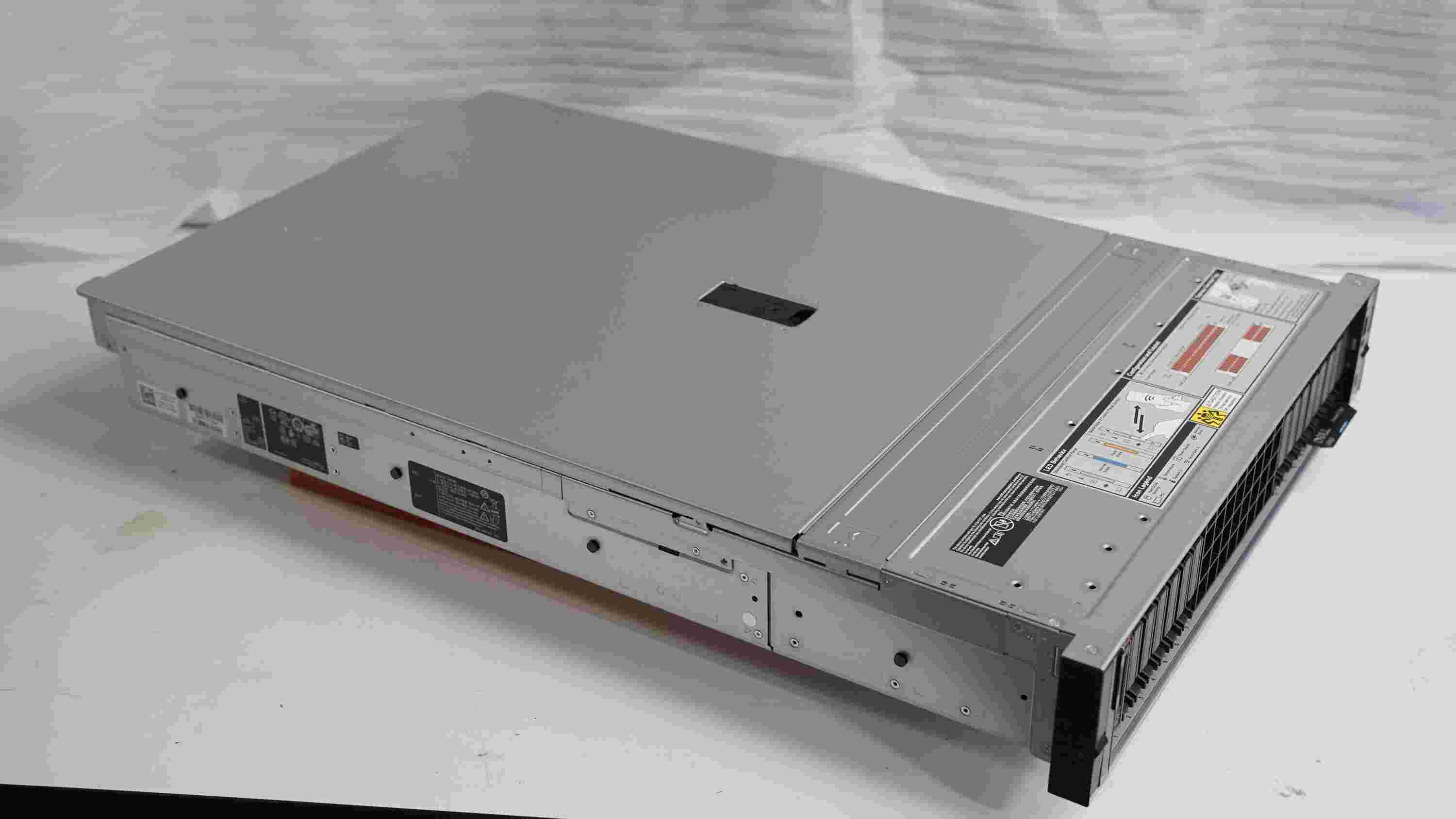
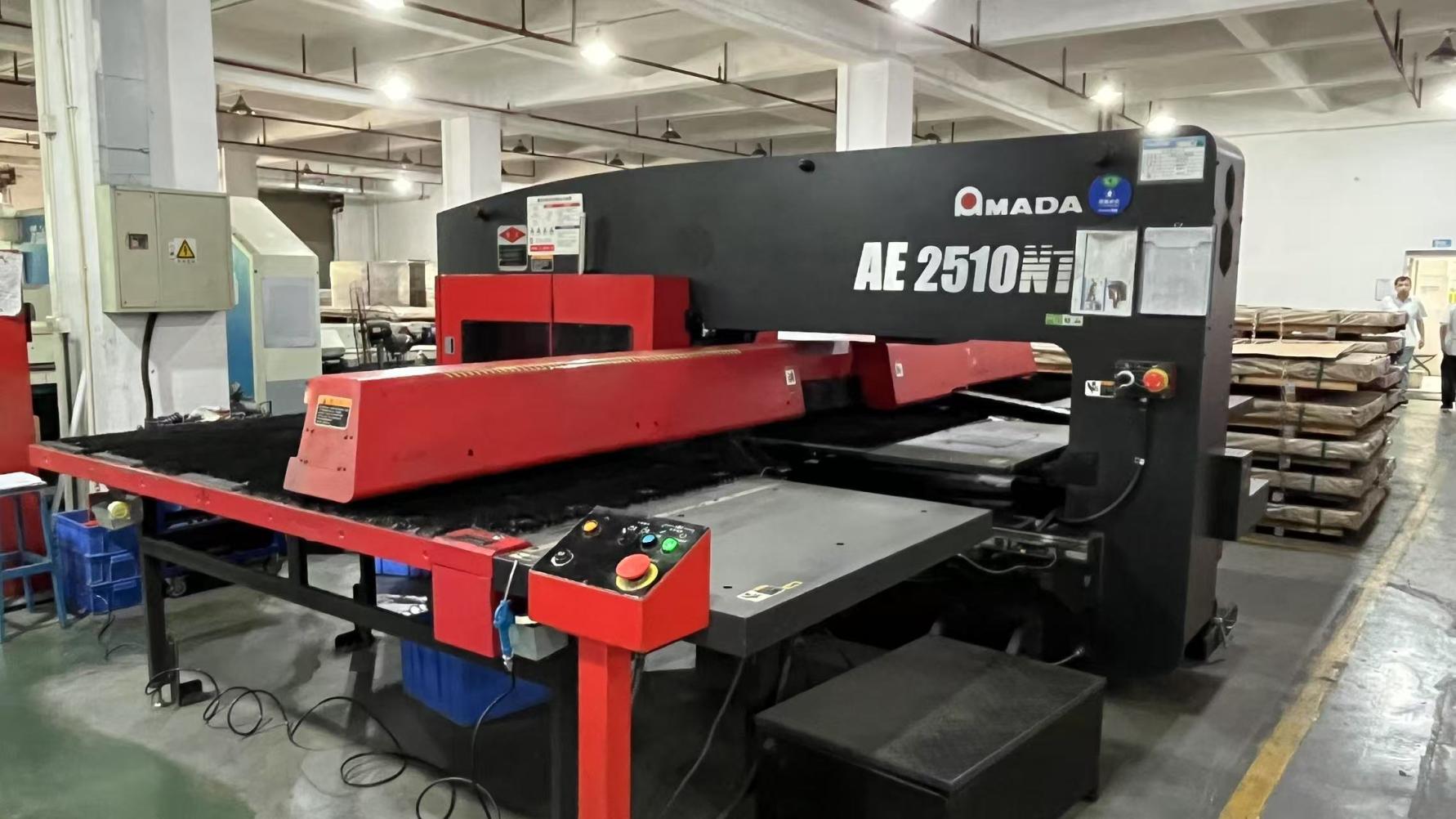
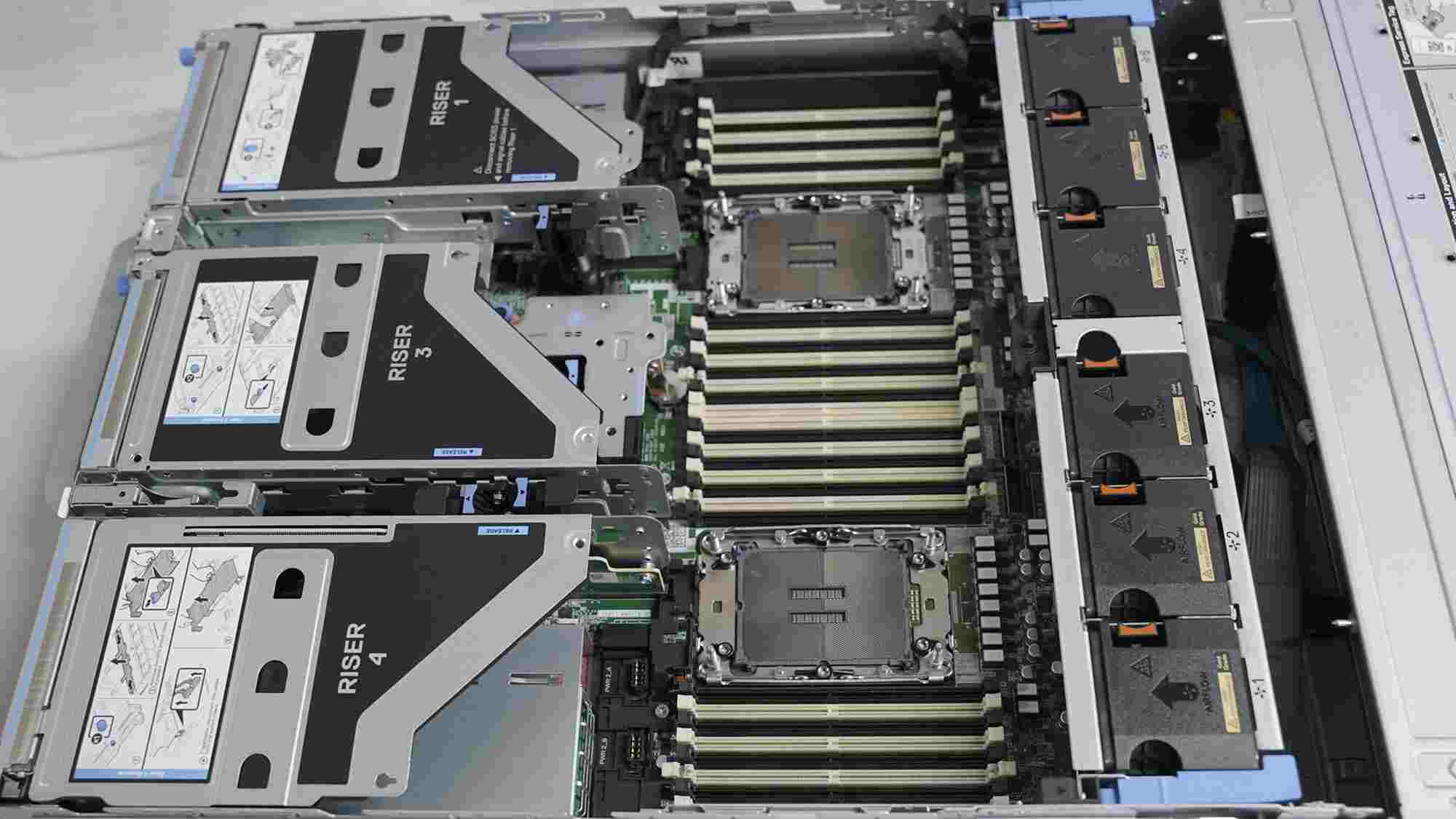
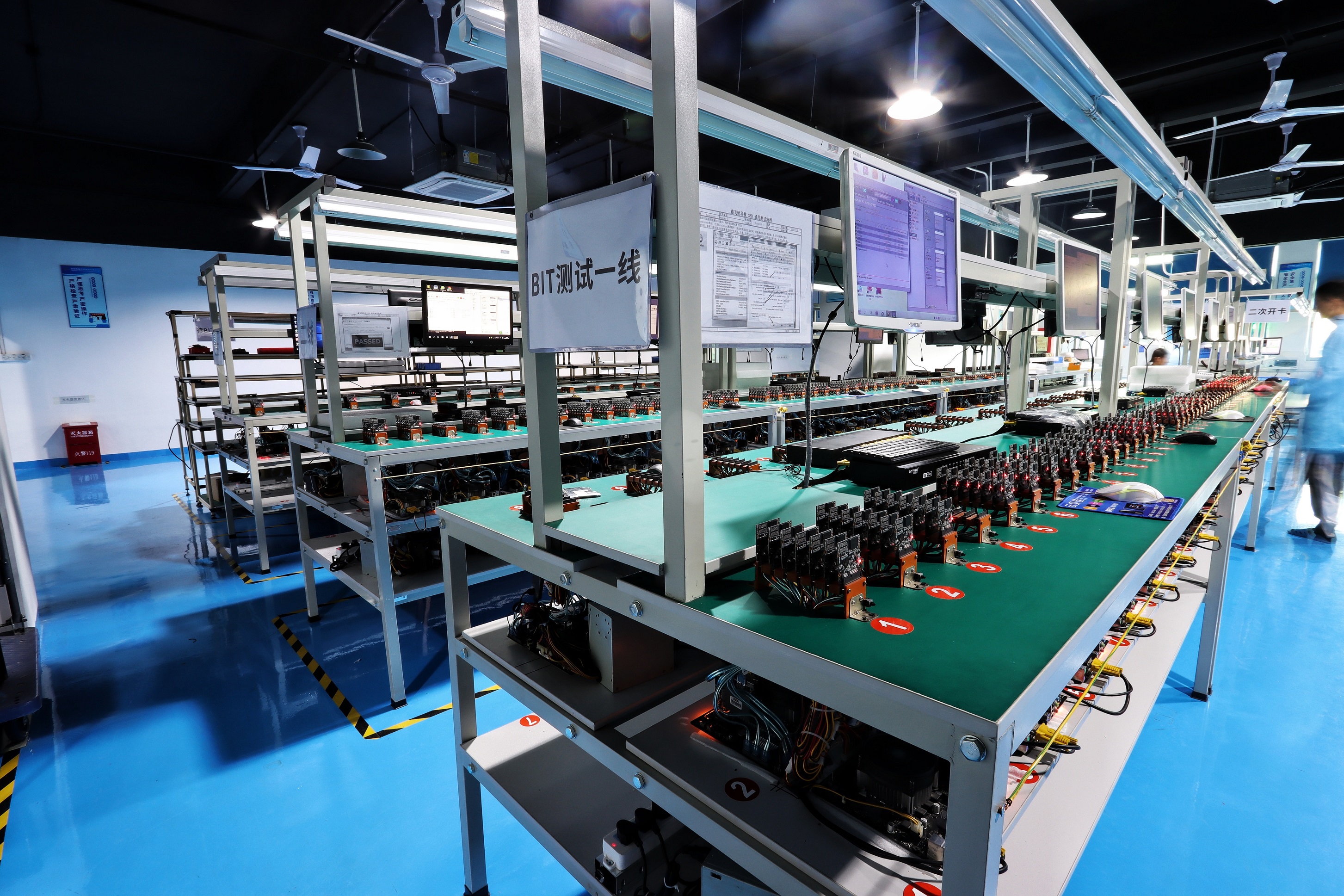
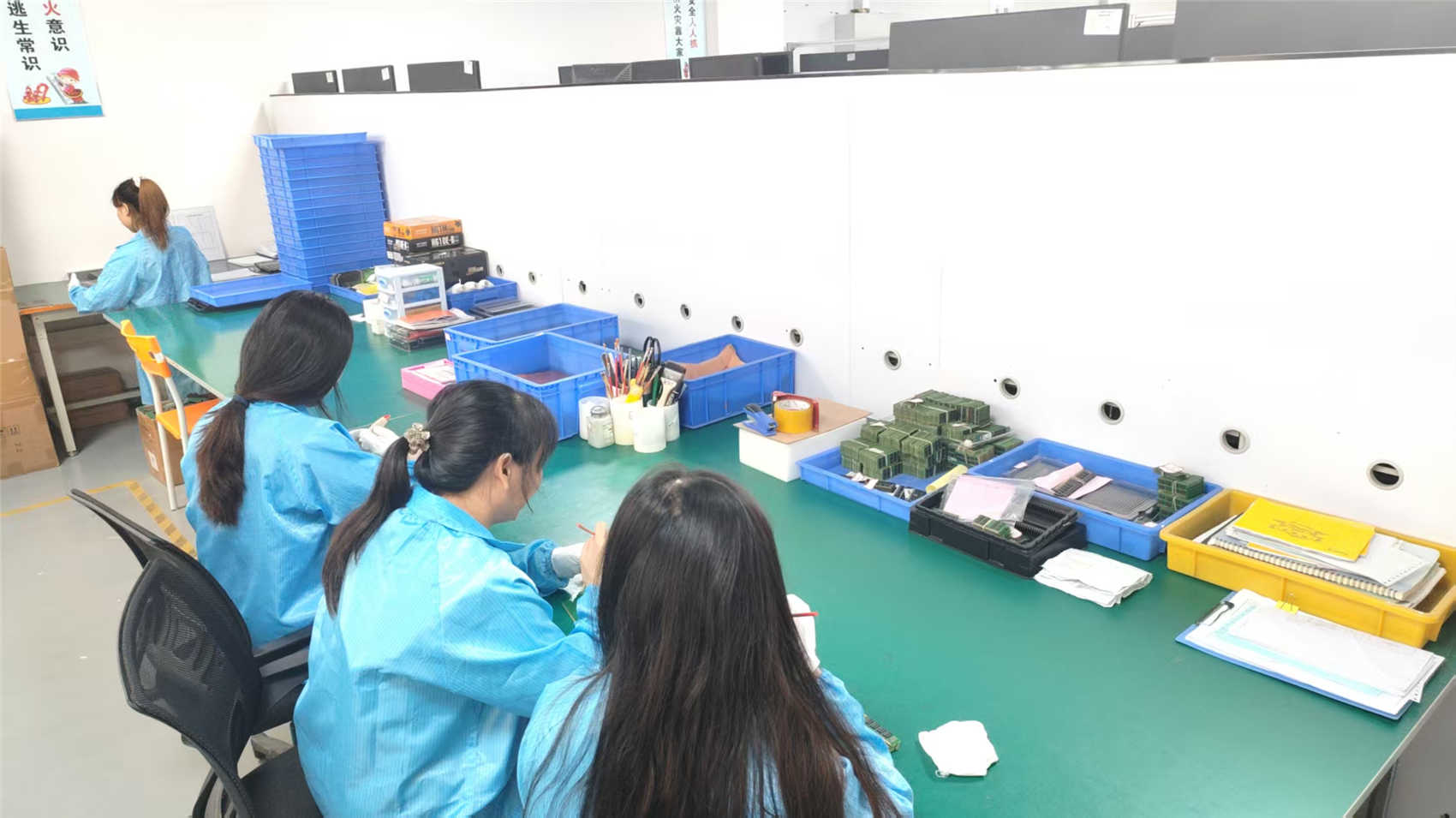
VoltDRAM Semiconductor’s manufacturing facility occupies approximately 320–480㎡ of cleanroom environments. It operates state-of-the-art SMT (Surface Mount Technology) assembly systems, high-speed automated component placement equipment, multi-zone nitrogen reflow ovens, and intelligent, automated optical inspection (AOI) stations.
Operating out of the primary global electronics hub in China allows VoltDRAM to leverage strong local supply network synergies. By working closely with over 600–1,500 qualified component partners, raw material suppliers, and specialized substrate manufacturers, we ensure structural cost efficiencies and resilient raw material sourcing. This supply chain stability protects customer orders from sudden price spikes and component shortages in the market.
Integrating production steps within a single geographic region allows us to transition from engineering validation (EVT) to design validation (DVT) and mass production in short order. This manufacturing agility reduces lead times for complex, custom hardware configurations.
At VoltDRAM Semiconductor, we follow strict quality standards, ensuring every batch of memory and storage modules is built to meet international specifications.
Every production batch undergoes automated optical inspection to verify solder joint quality and component alignment. 3D X-ray systems are used to audit BGA (Ball Grid Array) solder connections beneath the flash memory controller and NAND packages, preventing physical connection failures in high-vibration applications.
Drives and memory modules undergo strict dynamic burn-in testing (DBIT) inside environmental chambers. By simulating long-term operation under high-temperature conditions while executing continuous read, write, and erase cycles, we identify and filter out components prone to early life-cycle failures before they ship.
Using high-frequency digital oscilloscopes and vector network analyzers, VoltDRAM engineers review signal traces for cross-talk, reflections, and electromagnetic interference. This validation guarantees stable operation and data integrity, even during fast DDR5 and PCIe Gen 5 transfer transitions.
Purchasing enterprise memory and storage hardware involves complex engineering decisions. VoltDRAM’s dedicated R&D division, featuring 60–300 engineers, collaborates with customers to configure custom SSD drives and DDR modules that align with their specific software architectures and operating environments.
We write custom storage firmware to match specific use cases. Customers can adjust write-amplification targets, choose between SLC caching or direct TLC writing, set up custom telemetry outputs, or add security functions like AES-256 encryption and TCG Opal configurations.
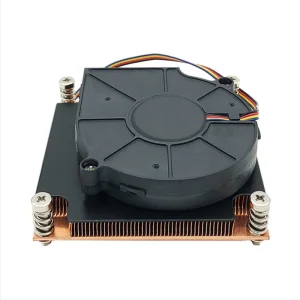
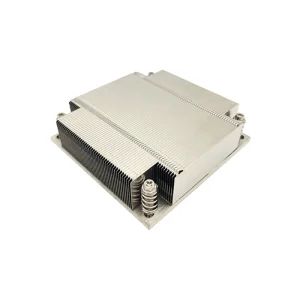
While standard M.2 2280 form factors work for many systems, embedded applications often need distinct designs. VoltDRAM produces custom PCB shapes, alters connector layouts, adds passive heat spreaders, or designs heavy-duty aluminum heatsinks to meet strict thermal requirements.
To avoid validation problems with system software, VoltDRAM offers Locked BOM (Bill of Materials) control. This ensures that the controller, flash wafer, firmware version, and passive components remain unchanged throughout the lifetime of the client's product line.
With 8–15 years of industry experience in semiconductor packaging and memory engineering, VoltDRAM has the expertise to guide design processes from initial schematics to final packaging. Annually, we design and launch between 120–450 customized hardware variants, serving OEMs, industrial system builders, and cloud data center operators worldwide.
Serving clients across North America, Europe, Southeast Asia, and the Middle East requires compliance with varied international standards. VoltDRAM coordinates regulatory testing to verify that all hardware products meet safety and environmental rules before shipment.
Every SSD and memory module we build complies with the RoHS directive and REACH regulations, confirming that our products do not contain hazardous substances. Our hardware carries CE and FCC certifications, validating that electronic noise emissions remain within safe limits for enterprise deployment.
VoltDRAM has 6–9 years of export experience, working with international shipping partners to coordinate customs clearances, secure transport packaging, and handle cross-border duties. We structure shipping terms to ensure components arrive safely and on time at client assembly plants globally.
Answers to key engineering, logistical, and customization questions asked by system integrators and purchasing teams.