VoltDRAM
In the rapidly evolving world of technology, selecting the right components is crucial for optimal performance. DDR5 memory for data centers is gaining attention for its potential to enhance data throughput and efficiency. As organizations prioritize speed and capacity, understanding the intricacies of DDR5 is essential.
Choosing DDR5 memory requires careful consideration of various factors. Bandwidth, latency, and compatibility play key roles in determining overall performance. Data centers demand reliability, and DDR5 must meet these standards. It’s important to assess the specific needs of your infrastructure. Rely on reputable sources and expert recommendations when making choices.
Finding the best DDR5 memory for data centers isn’t easy. New innovations are emerging frequently, making it hard to keep up. Users must weigh their options and reflect on their current setups. A thoughtful approach ensures that your data center can meet future demands effectively. Embracing DDR5 could be a game-changer. However, staying informed is vital for sustainable growth.
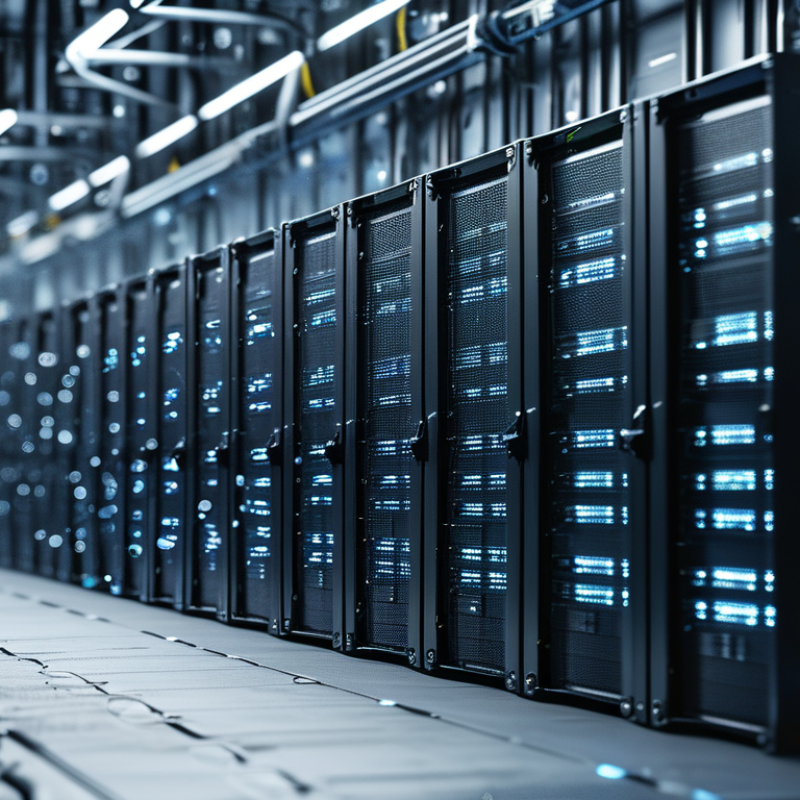
DDR5 memory plays a crucial role in enhancing data center efficiency. Its increased bandwidth and capacity have significant implications for performance. According to recent industry reports, DDR5 can offer up to 50% higher data transfer rates compared to its predecessor. This increase is vital for applications that require fast access to large datasets, such as artificial intelligence and big data analytics.
Data centers are under immense pressure to optimize performance while minimizing energy costs. Efficient memory selection can be transformative. DDR5 modules feature on-die ECC, which improves reliability by reducing data corruption. This feature is essential for mission-critical applications. Furthermore, studies show that implementing DDR5 can result in up to a 30% reduction in energy consumption per gigabyte of memory. However, many data centers still rely on older memory technologies, which can hinder their operational efficiency.
Selecting DDR5 also requires an understanding of the specific needs of a data center. Not all workloads benefit equally from higher memory speeds. Some may experience diminishing returns on performance. As data centers evolve, integrating DDR5 should be approached with careful consideration and analysis of workloads. Ensuring the right balance between speed, capacity, and cost-effectiveness is essential for future-proofing operations.
When selecting DDR5 memory for a data center, key performance metrics come into play. A primary factor is bandwidth. DDR5 offers higher bandwidth compared to its predecessor. This improvement can significantly enhance data transfer rates and overall system performance. Pay attention to this metric to avoid bottlenecks in your infrastructure.
Latency is another crucial consideration. Lower latency ensures faster data access, which can make a significant difference in time-sensitive applications. Be cautious, though. High-speed memory with extreme low latency can be more expensive. Balance your budget with performance needs.
Capacity should also be reviewed. More memory allows for better multitasking and handling of workloads. However, over-provisioning can lead to unnecessary expenses. Evaluate your current and future needs carefully. Lastly, consider compatibility with existing systems. Not every motherboard supports DDR5, and mismatches can lead to inefficiencies. Keep these factors in mind to enhance data center efficiency.
This chart displays key performance metrics to consider when selecting DDR5 memory for data center efficiency. Metrics such as latency, bandwidth, power consumption, cost per GB, and capacity are essential for making informed decisions.
When selecting DDR5 memory for your data center, compatibility with existing hardware is crucial. According to recent studies, around 30% of data center failures result from hardware mismatches. Assessing motherboard specifications and chipset capabilities can prevent these costly errors. DDR5 offers significant improvements, including higher bandwidth and lower power consumption. However, these benefits can only be realized if the memory aligns well with your current setup.
It is essential to examine the manufacturer’s guidelines. Memory modules often come with specific speed and timing requirements. Not all boards can fully utilize the potential of DDR5. In some cases, you may only achieve marginal improvements over DDR4. Industry reports indicate that without proper compatibility, data centers may experience up to a 40% decline in performance efficiency. This reflects the importance of making informed decisions based on thorough compatibility evaluations.
Aside from hardware, consider future scalability. DDR5 memory provides room for growth, but only if it integrates smoothly within existing frameworks. As data demand continues to rise, the memory must support evolving workloads without necessitating a complete overhaul. Data centers must balance the desire for the latest technology against the reality of their current infrastructure. Recognizing these challenges can lead to more reliable and efficient data operations moving forward.
| Tip | Description | Compatibility Assessment | Performance Impact | Capacity Options |
|---|---|---|---|---|
| 1. Check Motherboard Support | Ensure the motherboard is compatible with DDR5 specs. | Verify specifications in the motherboard manual. | Essential for maximizing throughput. | Available in 8GB, 16GB, and 32GB options. |
| 2. Match Speed Requirements | Select RAM that matches or exceeds current speed needs. | Consider both current and future workloads. | Higher speeds can improve responsiveness. | Typical speeds 4800 MT/s to 6400 MT/s. |
| 3. Evaluate Power Consumption | Ensure low power consumption for efficiency. | Check for standard consumption ratings. | Lower power usage can reduce operating costs. | Voltage typically around 1.1V. |
| 4. Look for ECC Support | Choose ECC to enhance data integrity. | Verify if the server supports ECC functionality. | Improves reliability in data processing. | Available in ECC compliant versions. |
| 5. Consider Future Upgrade Paths | Plan for future memory needs and scalability. | Select modules that allow for easy upgrades. | Makes expansion smoother. | Compatible with larger capacity modules over time. |
Choosing the right DDR5 memory for your data center is crucial. Assessing capacity needs involves understanding your current and future data demands. Start by evaluating workloads. Are they memory-intensive or compute-heavy? Knowing this helps in selecting the right memory capacity.
Consider the number of applications running simultaneously. More applications require larger memory capacity. Monitor your memory usage over time. Analyzing trends can highlight whether you need more capacity. Remember, buying too much can lead to wasted resources. Conversely, too little can slow down performance.
Don't ignore scalability. Your data center's needs will evolve. Plan for potential growth in data processing and storage. Ensure that your DDR5 memory selections can scale effectively. Optimal data center efficiency relies on balancing current demands with future needs. This careful planning can improve overall performance significantly.
DDR5 memory is revolutionizing data centers, making them more efficient and future-proof. As organizations increasingly rely on data for decision-making, choosing the right memory is vital. According to a report by the International Data Corporation, DDR5 can increase memory bandwidth by up to 50% compared to its predecessor. This improvement directly influences the data throughput in data centers, making operations smoother and quicker.
Investing in DDR5 is not just about immediate performance. It's about resilience and adaptability. A study by the Semiconductor Industry Association noted that DDR5 supports advanced features like error correction and power efficiency, which are crucial for long-term stability. However, migrating to DDR5 may pose challenges, particularly in terms of compatibility with existing infrastructure. Carefully assessing current systems is essential to avoid costly disruptions during upgrades.
Moreover, assessing memory latency is crucial. A global review highlighted that while DDR5 has lower latency, real-world performance can vary based on applications. This presents a dilemma: choosing high-speed memory could yield diminishing returns if other components are not equally advanced. Foresight in evaluating the entire system ensures that investments in DDR5 will yield beneficial returns in the long run.
: DDR5 memory is the latest standard for data center memory, offering improved bandwidth and capacity.
DDR5 can deliver up to 50% higher data transfer rates than previous technologies, enhancing data access.
Reducing energy costs helps optimize overall performance and operational expenses in data centers.
DDR5 includes on-die ECC, which reduces data corruption and enhances reliability for critical applications.
Compatibility with current hardware is crucial; without it, performance might decline by up to 40%.
Assessing motherboard specifications and future scalability is essential to avoid costly disruptions.
No, some workloads might experience diminishing returns despite the higher speeds of DDR5.
Compatibility with existing infrastructure may pose challenges when upgrading to DDR5 memory.
While DDR5 has lower latency, real-world performance can vary based on the applications used.
Finding the right mix of speed, capacity, and cost-effectiveness is vital for future-proofing operations.
Choosing the right DDR5 memory for data center efficiency is crucial in today’s fast-paced technological landscape. Understanding the importance of DDR5 memory in data centers involves recognizing its ability to enhance performance, reduce latency, and improve multitasking capabilities. Key performance metrics, such as speed, bandwidth, and energy efficiency, should be evaluated when selecting DDR5 memory to ensure it meets the specific demands of your workload.
Evaluating compatibility with existing data center hardware is vital to avoid integration issues, while assessing capacity needs helps organizations optimize resource allocation for better operational efficiency. Additionally, future-proofing your data center with DDR5 memory choices ensures that you are prepared for upcoming technological advancements, maintaining relevance and competitiveness in an evolving market. By carefully considering these factors, organizations can make informed decisions that significantly enhance data center efficiency through the strategic use of DDR5 memory.
